
Pomeroy Employee Housing
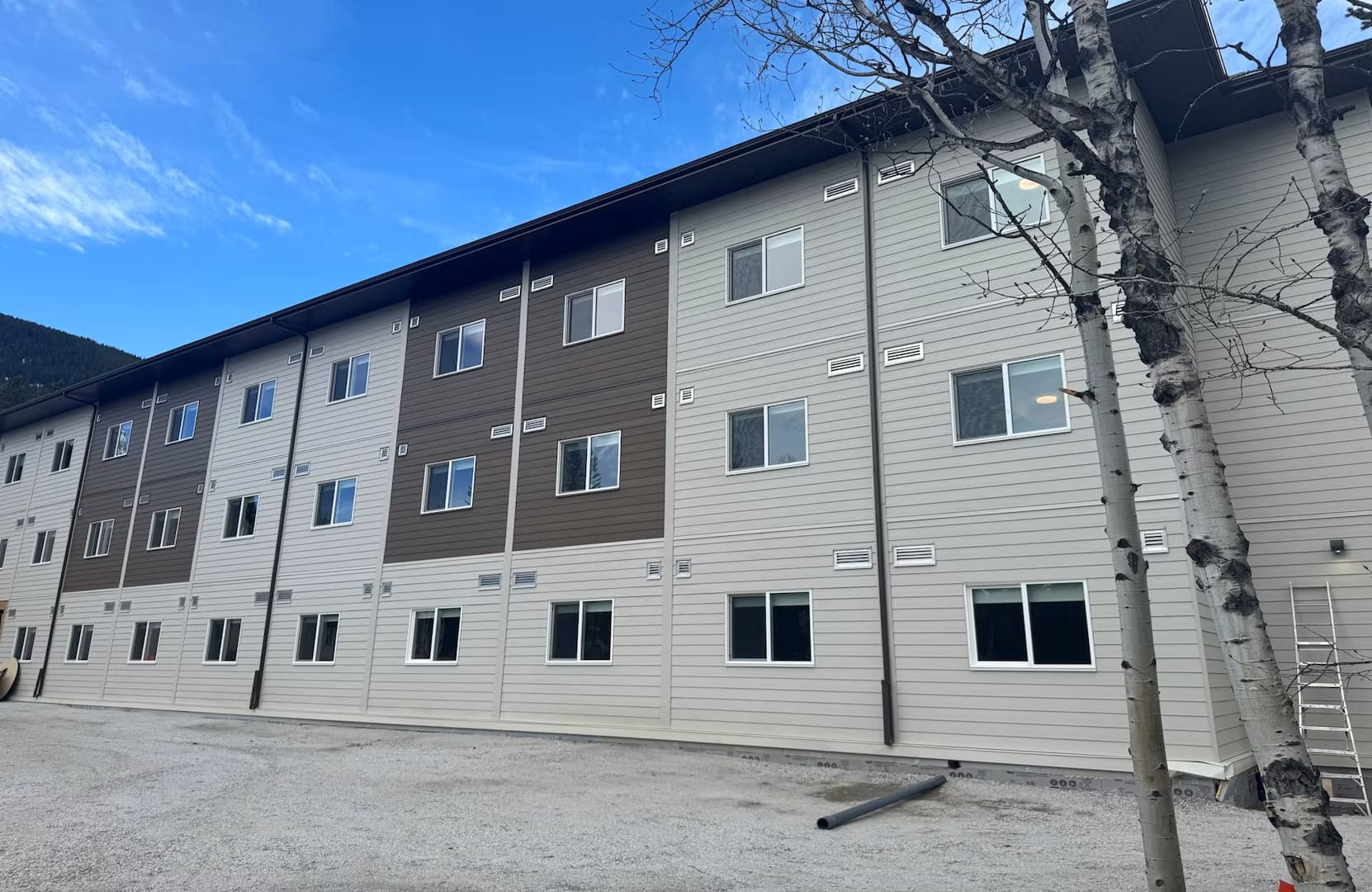
Total Square Footage - 24,194 sq ft
Number of Modules - 36 mods
Location: Kananaskis, AB
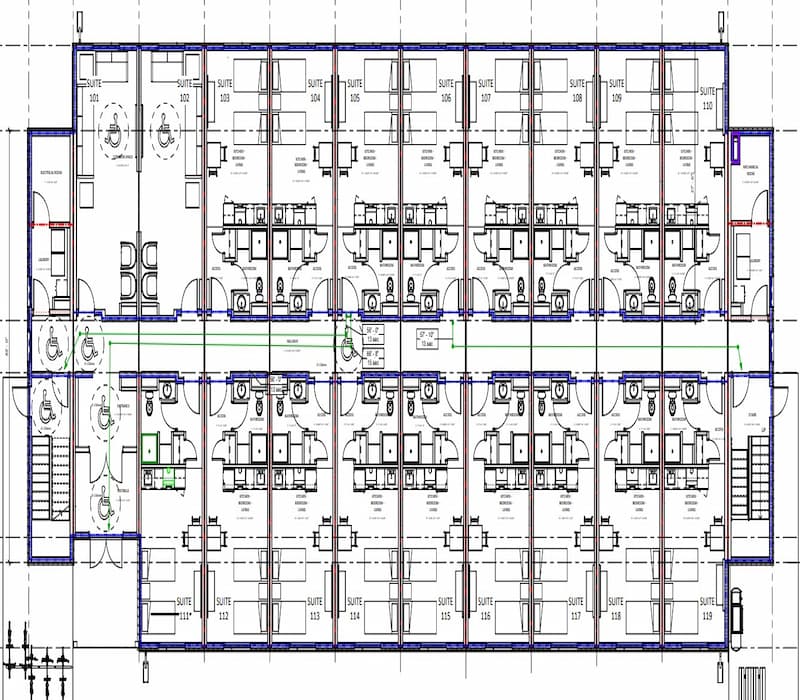
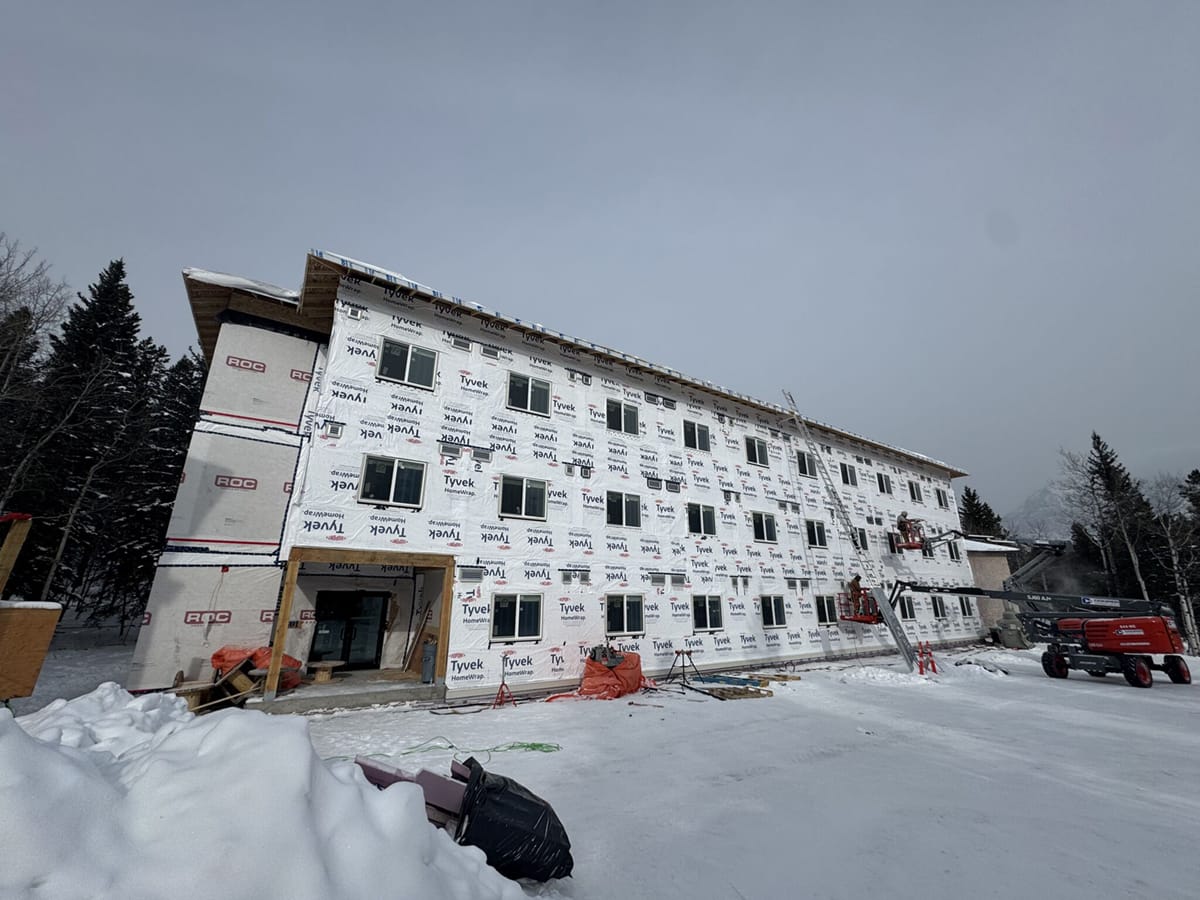
The Pomeroy Lodging Employee Housing complex in Kananaskis, AB, is a 24,194 sq. ft., three-storey structure with 57 studio units and a communal main-level area, designed for full-time employees. Comprising 36 prefabricated modules, the building harmonizes with its mountain surroundings through earthy tones, a pitched roof, Hardie siding, and timber accents. The layout optimizes space with efficient studio configurations, enhancing functionality for residents. Its design respects the scenic mountain landscape, minimizing environmental impact while providing high-quality housing. The modular approach ensured precise planning and visual coherence, meeting tight deadlines for the 2025 G7 Summit while delivering long-term affordable housing for local workers.
Affordable Housing Under Tight Deadlines
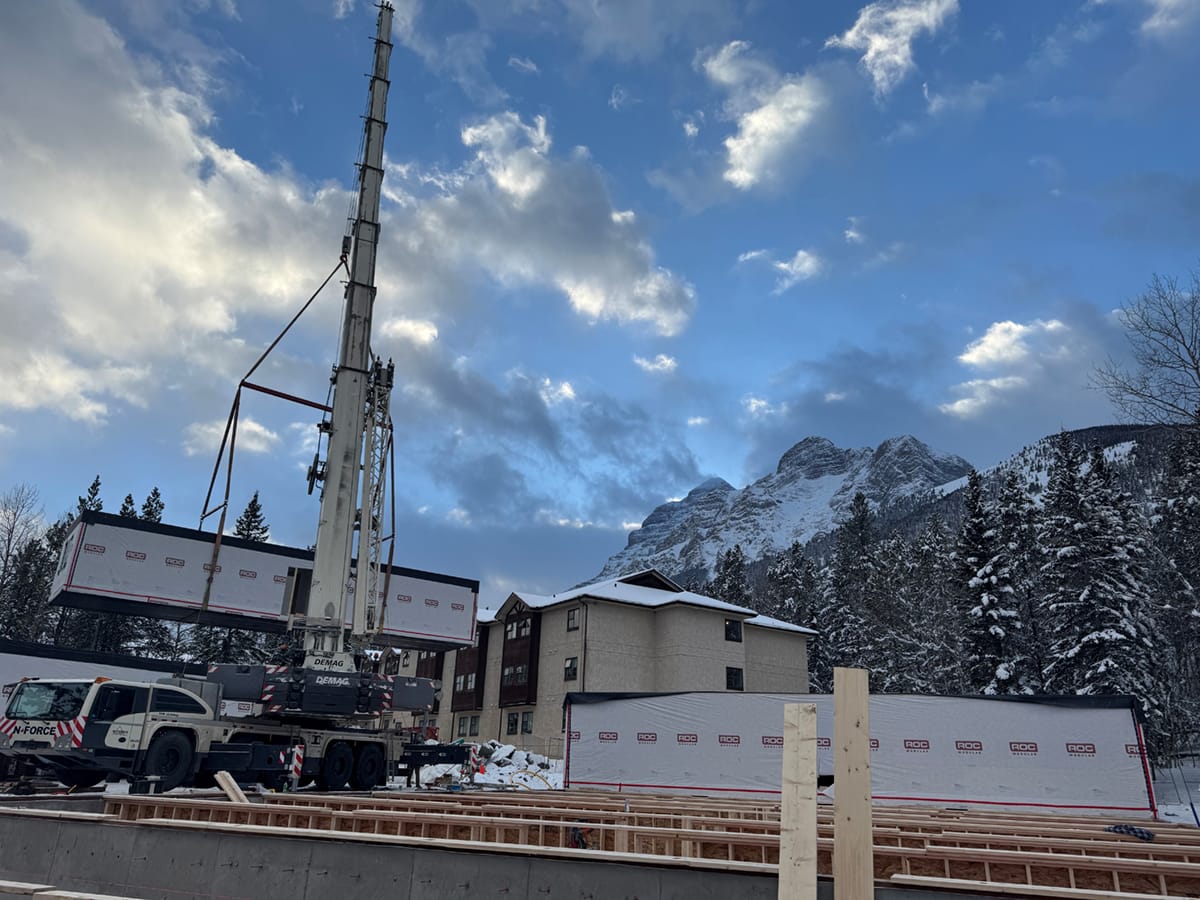
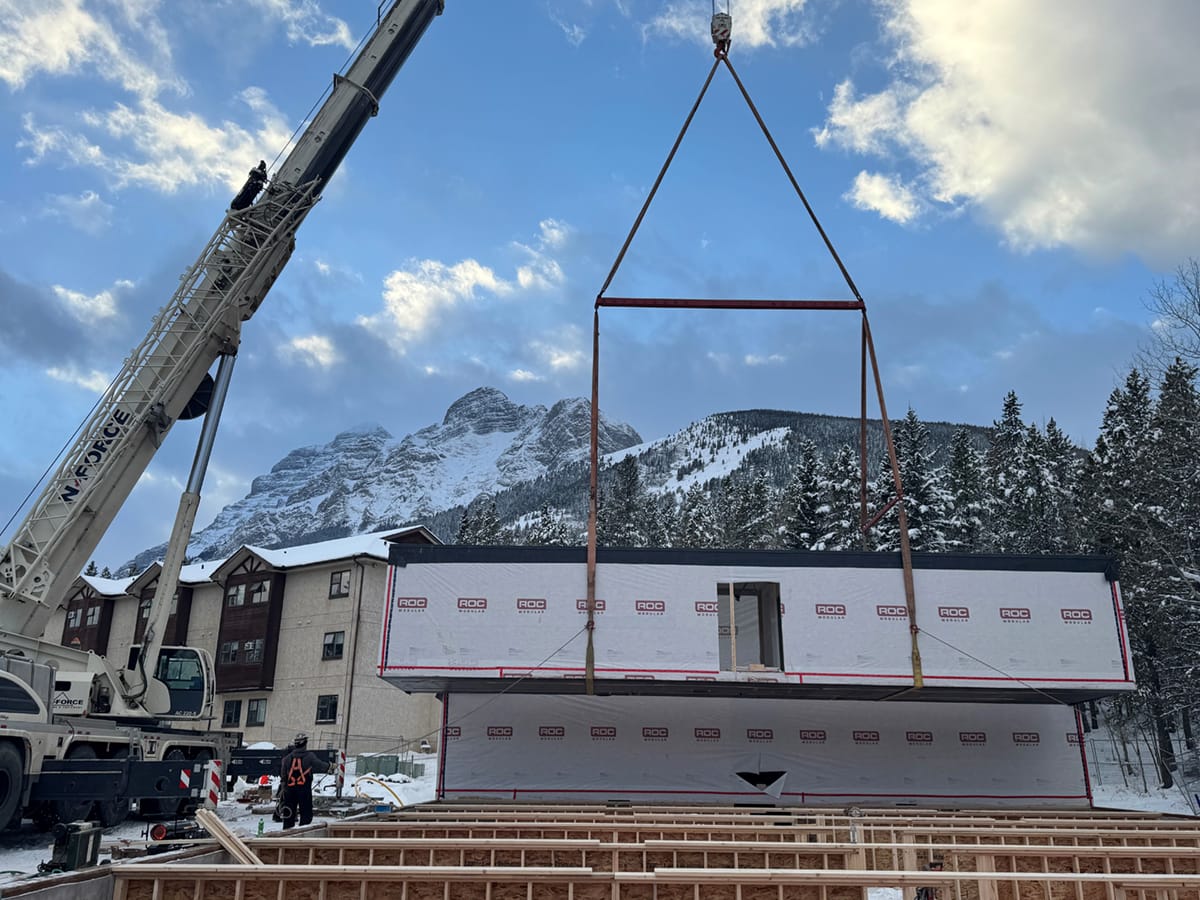
This fast-track modular project met tight G7 Summit deadlines with 36 modules built off-site, enabling simultaneous site prep and fabrication. Factory construction ensured enhanced quality control, minimized material waste, and reduced environmental disturbance within the protected mountain park. Durable, energy-efficient materials—such as high-performance insulation, efficient HVAC, and sustainable materials—lower long-term operating costs while meeting strict environmental regulations. By pre-building in a controlled setting, the project overcame harsh weather, short construction windows, and logistical constraints typical of remote builds. The result is a durable, sustainable housing model that blends efficiency, quality, and environmental stewardship.
High-Quality Housing Without Delay
By constructing 36 modules in the ROC Modular controlled manufacturing facility, we eliminated weather delays, reduced costly on-site labour, and avoided inefficiencies typical of mountain builds. Parallel workflows—offsite fabrication and on-site foundation work—accelerated completion, cutting carrying costs. Durable, low-maintenance materials were chosen to maximize lifecycle value and minimize operating expenses. The streamlined installation process reduced heavy equipment needs, preserving the site and lowering mobilization costs. Strategic partnerships with local trades ensured seamless final connections. The result: high-quality, permanent housing delivered faster and more affordably than traditional construction, without compromising design or environmental standards.
More from Modular Advantage
How Stack Modular Is Using AI to De-Risk Mid- to High-Rise Modular Construction
Artificial intelligence is no longer a future concept in modular construction—it is already reshaping how complex buildings are evaluated, designed, and delivered.

Gearing Up for the 2026 World of Modular
The Modular Building Institute (MBI) is bringing its global World of Modular (WOM) conference and tradeshow back to Las Vegas in April, and with it comes some of the industry’s best opportunities for networking, business development, and education.
New High-Rise Modular Apartment in Abu Dhabi Points Toward the Future of Multifamily Construction
Eagle Hills International Properties chose the BROAD Holon Building for a 16-story market rate apartment building in Zayed City, a central business district of Abu Dhabi. The project highlights the potential of the Holon system of volumetric modular construction to accelerate housing delivery.
MBI Announces First Ever Industry Apprenticeship Program in Collaboration with Marshall Advanced Manufacturing Center
MBI recently agreed to partner with Marshall Advanced Manufacturing Center (MAMC) to provide bona fide USDOL-approved apprenticeship programs for the industry.
AoRa Development Aims for New York’s First Triple Net Zero Building Using Modular Methods
More cities are providing funding for newer infrastructure projects as long as they meet sustainability requirements. This is how modular can fit the bill, thanks to its lower waste production.
Developers and Designers: Lessons Learned with Modular Design
Modular construction is attractive to many developers because sitework and module construction can occur simultaneously, shortening the schedule and reducing additional costs.
UTILE: Putting Modular Building on a Fast Track
In Quebec, UTILE is taking the lead in creating affordable modular buildings to help decrease the student housing shortage. During the process, the company discovered what it takes to make the transition to modular building a success.
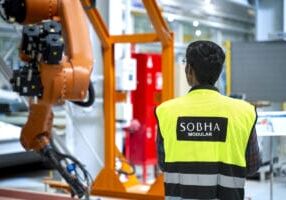
Sobha Modular Teaches Developers How to Think Like Manufacturers
With its 2.7 million square foot factory in UAE, Sobha Modular is bringing both its high-end bathroom pods to high-end residences to Dubai while developing modular projects for the U.S. and Australia.
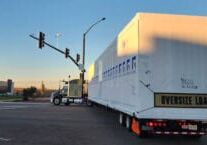
RoadMasters: Why Early Transport Planning is Make-or-Break in Modular Construction
In modular construction, transportation is often called the “missing link.” While it rarely stops a project outright, poor planning can trigger costly delays, rerouting, and budget overruns.
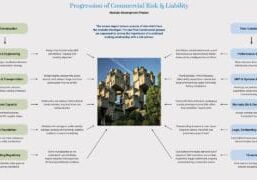
Navigating Risk in Commercial Real Estate and Modular Construction: Insights from a 44-Year Industry Veteran
Modular projects involve manufacturing, transportation, and on-site assembly. Developers must understand exactly what they are responsible for versus what they subcontract. Risk advisors should research the developer’s contractors, subcontractors, and design-build consultants—especially the modular manufacturer.