
Harvard MBA Graduate & Former SpaceX Engineer Believes Affordable Housing Lies in the 'Cloud'

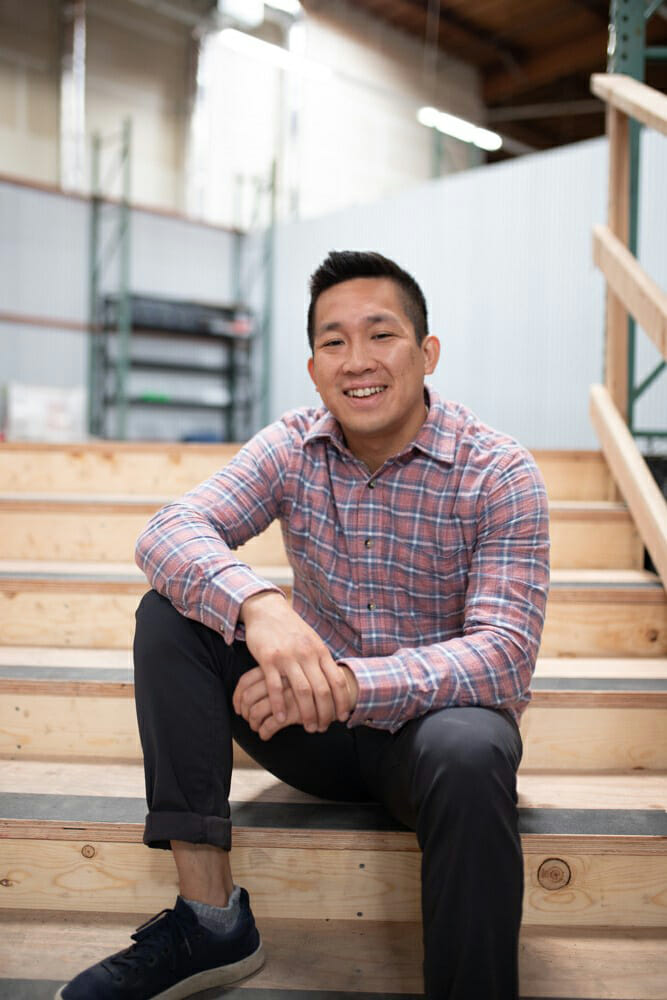
Curtis Wong is the founder and CEO of modular construction start-up Cloud Apartments.
There’s an urgent housing crisis in America. Housing is too expensive and takes far too long to build. Middle-income renters struggle more and more each day to find housing that fits their needs and their price point. But many simply don’t find it at all and end up settling for a rental that eats a larger than ideal portion of their income while barely being functional.
But Harvard MBA and former SpaceX Engineer, Curtis Wong, has an idea: To fundamentally change the economics and efficiencies of housing construction by setting a new standard for beautiful affordable apartments. He’s set out to create a brand of modular apartments fit for the modern renter.
Wong founded venture capital-backed, Cloud Apartments a year and a half ago with a new approach to a prefab technology company by partnering with the best-in-class general contractors and factories to bring to life his own brand of innovation.
Wong started out in the industry as a structural engineer in California but quickly made a pivot to SpaceX. “I decided to chase innovation in a way that I wasn’t getting in construction,” explains Wong. “I immediately began working on the launch pads for the Falcon 9 switching the NASA space shuttle launchpad LC39A out in Florida Cape Canaveral to a SpaceX Falcon 9 launchpad. [My] structural engineering [background] was actually very useful for that time period, so I spent a lot of time just doing some cool stuff out there,” says Wong.
Wong explains that his time at SpaceX got him thinking about how he could bring the innovation happening in the aerospace industry to the construction industry. “[I realized] there is innovation that we could bring from these cool sectors like SpaceX to construction. I decided to go get my MBA at Harvard and focus on real estate development. From there, I went back into the construction industry,” shares Wong. “Cloud Apartments is an idea that’s been around for about five years now, bringing that innovation I experienced at SpaceX paired with my experience in construction and development to really make a dent in how we build new housing,” he explains further.
The "Eureeka" Moment
The “eureka moment” for Cloud Apartments came very naturally to Wong. “As I’ve grown up, I’ve looked at products that myself and everyone else have created fandom on like the iPhone or Tesla. They’ve created fandom because they re-defined their categories and changed what we know to be a phone and a car. We want to do that with Cloud Apartments,” says Wong.
When renters look for an apartment, they tend to rely on sites like Craigslist to find a unit in their desired area. The options tend to be sparse, and the price points out of budget, but they have to settle with paying a large portion of their income on a place they might not really like in the first place.
“I don’t think it should be like that,” says Wong. “Getting a new apartment should be as exciting as unboxing the newest iPhone. The idea behind Cloud Apartments is to make that incredible apartment that’s just better in every way – soundproof from your neighbors, every square inch of the layout thoughtfully planned, walls that open up to a fully-enclosed balcony for a seamless open space, built-in sound systems, and a focus on sustainability,” explains Wong.
Typically, sustainability equates to standardization, which Wong recognizes that many people hear as a “dirty word,” but he points out that standardization is behind our most beloved products like the iPhone and Tesla. “[With standardization], we can drive up quality and drive down costs pretty dramatically,” says Wong.
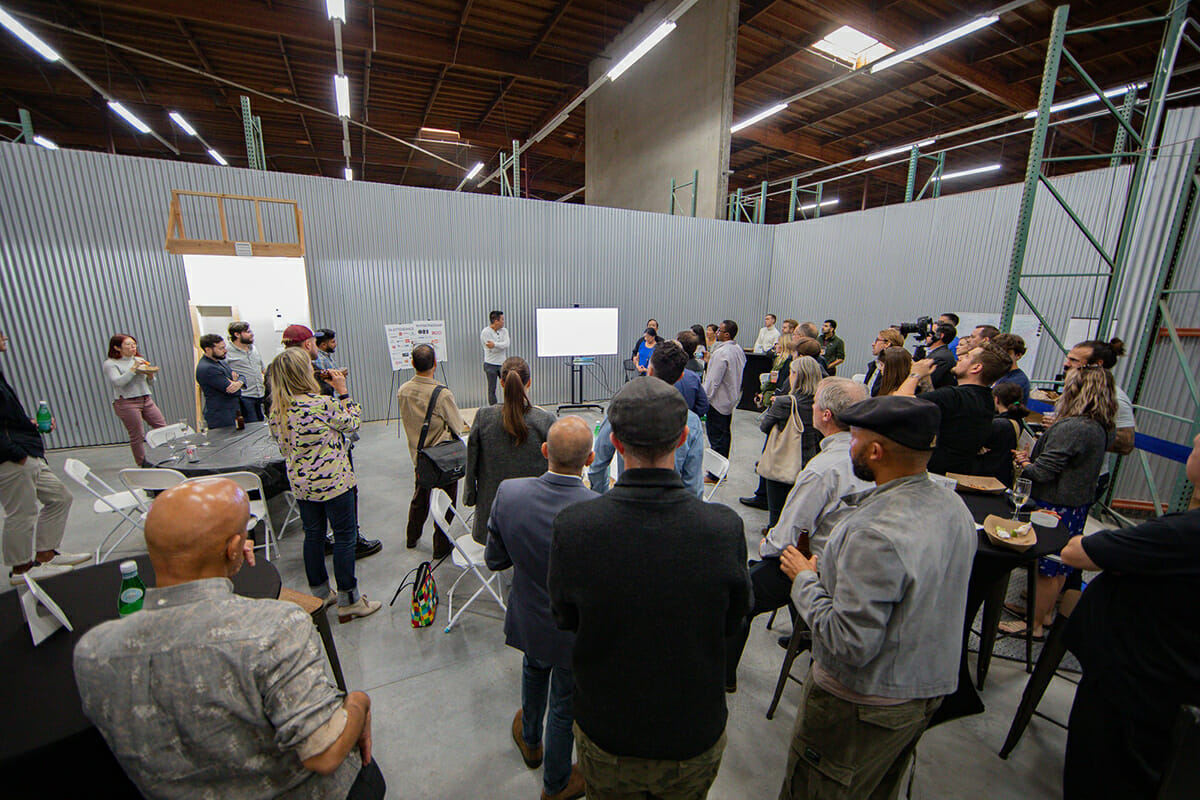
The Cloud S unveiling event on October 13, 2022.
Lean Team
While they are growing, Wong has kept his team lean consisting of himself and his VP of Construction, Matt Rapa, while surrounding themselves with impactful advisors and partners. “Surrounding ourselves with the right people is how we could stay so lean and build so quickly,” says Wong.
Wong and Rapa recently finished the first prototype. Fitting the mold of a typical startup story, it was built in a warehouse with only fractions of an inch to spare around its perimeter. In fact, columns of the building run through the corridor of the prototype.
For Wong and Rapa, it was really fun to see the prototype come together. They’ve spent early mornings and late nights perfecting every little detail to make sure the layouts and the feel of the finishes speak to the renter’s ultimate experience. “I do like to think that when you come to the unit, you can feel it because it feels like it’s made in a polished way that I don’t think exists in most apartments,” says Wong.
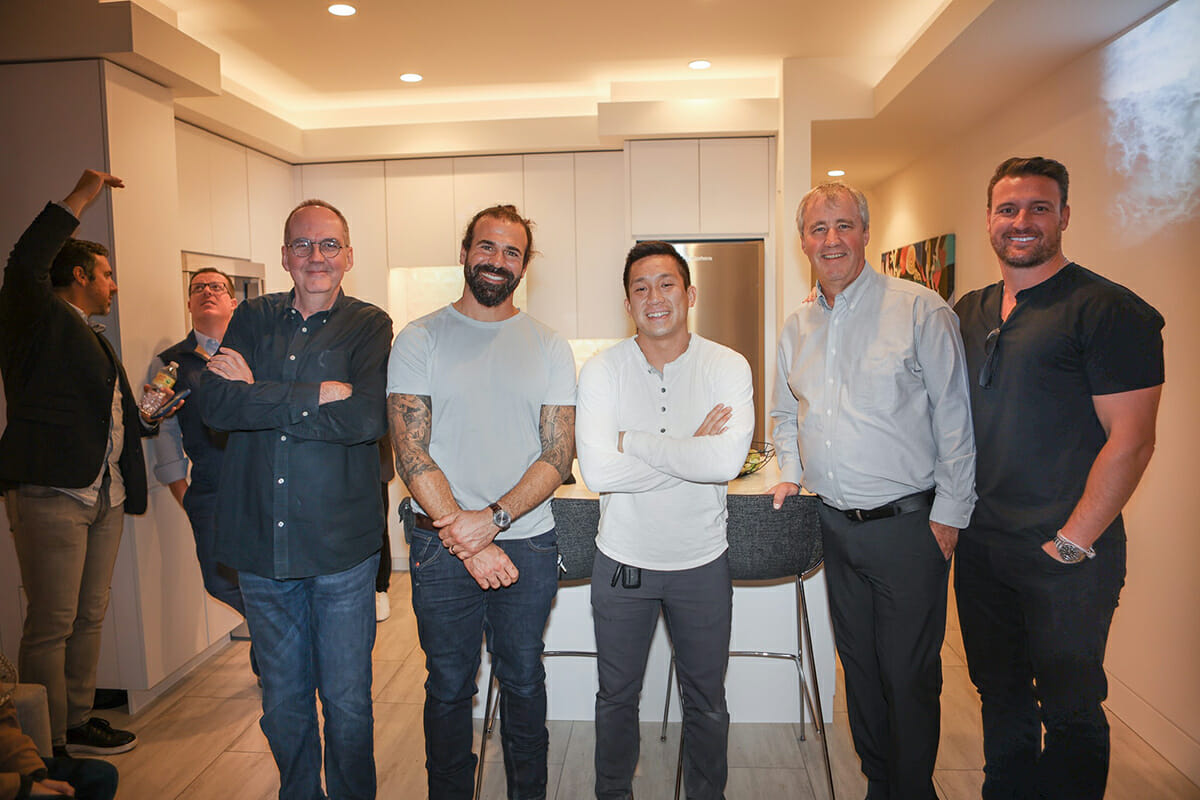
Cloud Apartment’s team alongside its partners: Domatic, DCI, and Synergy Modular.
Streamlined Site Installation Modeled After Rocket Launches
Pushing beyond the renter experience, Wong is especially focused on streamlining onsite installation. The Cloud Alignment System (CAS) is what will ultimately bring savings to renters. Inspired by his time at SpaceX, Wong has mapped out an installation process that mirrors that of a rocket launch. “When you launch a rocket, you have to bring a billion-dollar satellite to it and attach it to the top of the rocket quickly and accurately, and then fuel the rocket itself to launch it within 24 hours. [With Cloud Apartments] we’re targeting a similar goal with our modules of rapid alignment and connection,” explains Wong.
The idea is that the Cloud Alignment System (CAS) would encapsulate what makes installing a Cloud Apartment onsite far faster and easier. Wong has employed the help of some former SpaceX colleagues to design the system in a way that installation can be performed without the help of a skilled technician as a 15-minute exercise with a two-person crew to further drive down costs.
“We’re trying to have a small pit crew go down the corridors of each unit and connect everything like a Formula One pit crew does in a matter of minutes,” explains Wong. Though, in the beginning, Wong and his team are offering to install the product themselves and then from there, certify general contractors to self-perform.
Ideally, Wong envisions these apartment units to be beautifully constructed in the factory, arrive onsite, and set by a crane with perfect precision, and all the utilities and the seams with the façade for waterproofing done in hours. When the unit is opened up, it’s immediately ready for a tenant with flowing water and electricity. As it stands today for a standard apartment building, this process is extensive and takes six months or more.
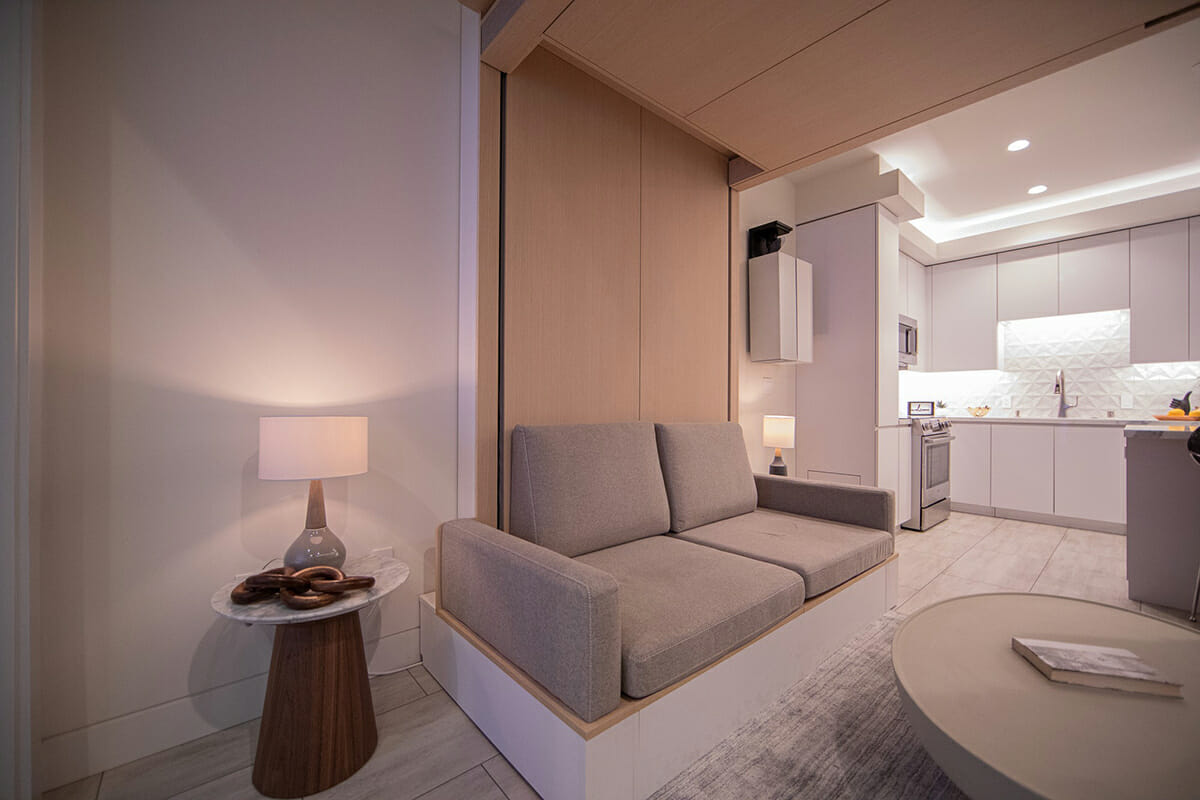
Living room transforms into a bedroom with the inclusion of Ori Living's Cloud Bed (raised above the sofa).
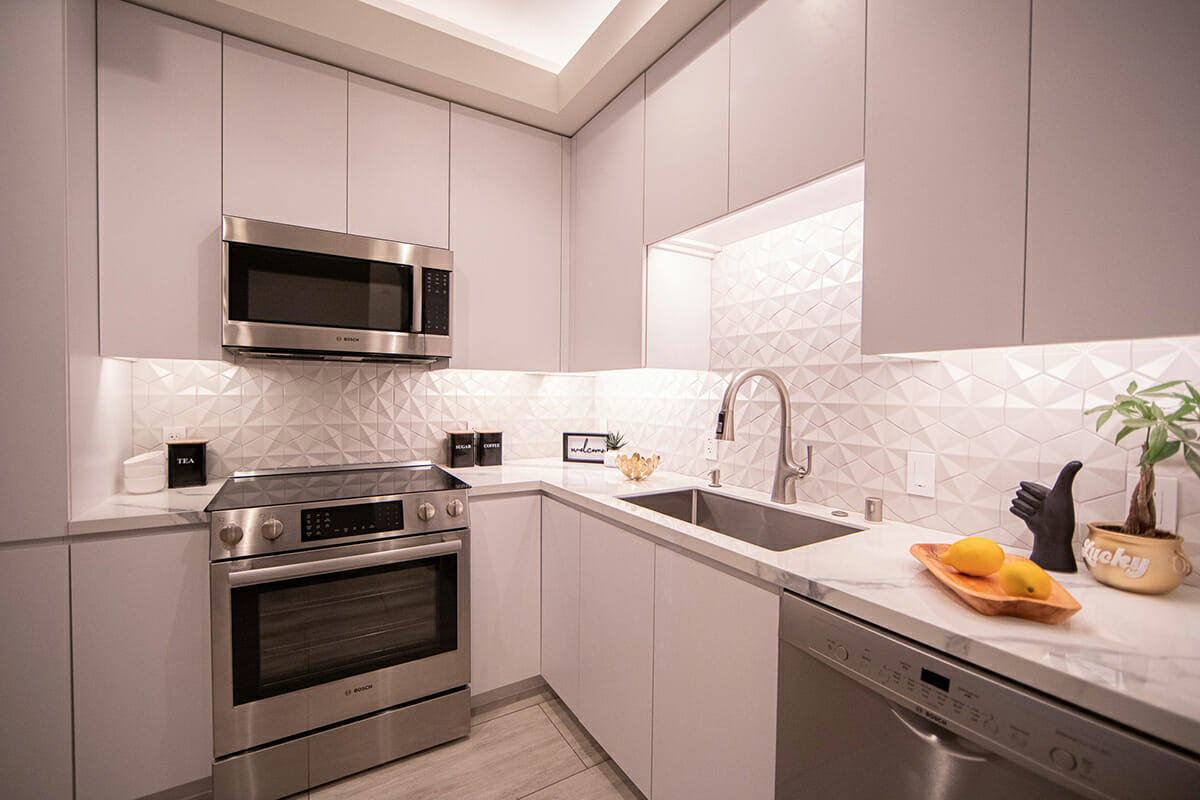
Kitchens are large and designed for use, even in a smaller studio footprint.
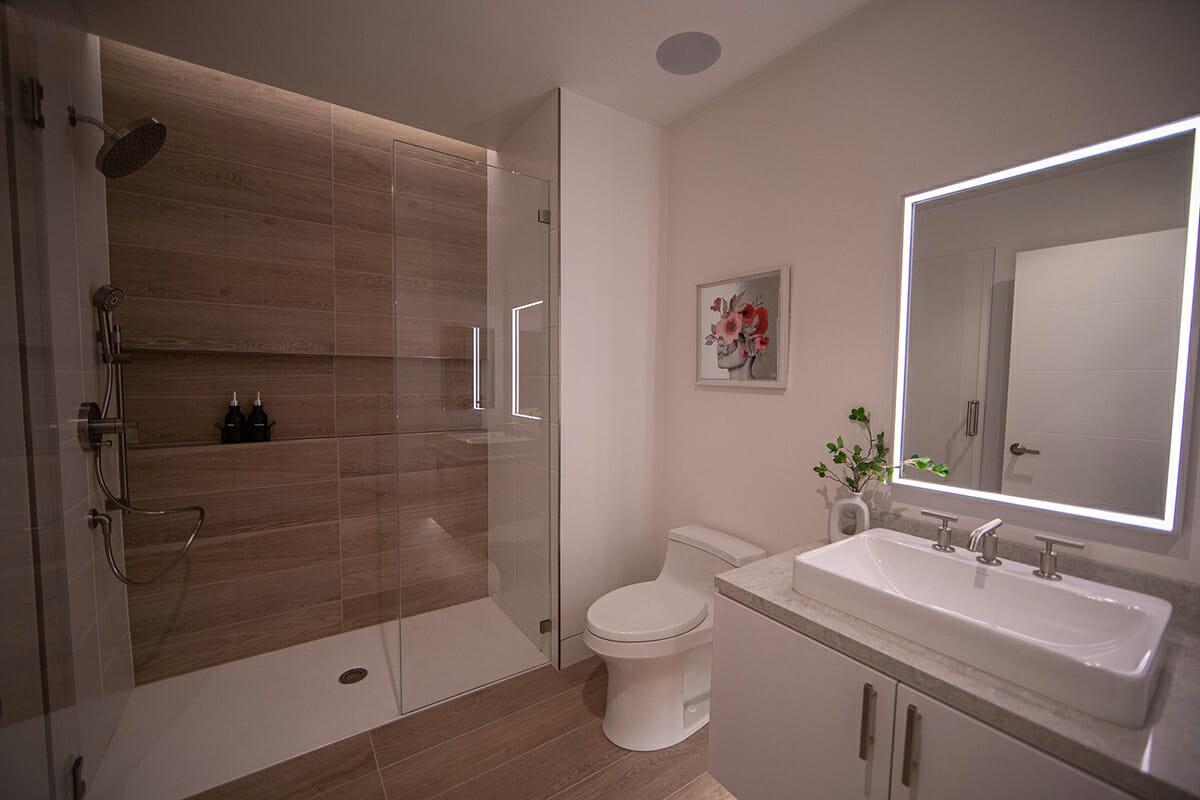
Bathrooms in the Cloud S feature soft lighting and embedded ceiling speakers.
Inside the Prototype
The completed prototype is roughly 470 square feet and designed to the modular standards that factories have been building to successfully. In this way, Cloud Apartments aims to work with factories across the country and add in its own innovation in a collaborative approach. Cloud’s line of apartments reimagines the perception of modular by being homes without sacrifice.
The prototype features a kitchen, bathroom, closet, and combined living room and bedroom area with an Ori Living Cloud Bed that tucks into the ceiling when not in use to expand the floor space. A seamless balcony with a foldable wall opening up into a private balcony completes the space, connecting the indoors and outdoors and acting as an extension of the space. Additional features include a built-in sound system, soundproof walls, and sustainable materials throughout.
Related Listening:
How "Productized" Modular Construction Can Reduce Onsite Costs and Create New Housing Opportunities w/ Cloud Apartments
In this episode of Inside Modular, Curtis Wong, founder and CEO of modular construction start-up Cloud Apartments talks about his company's new ideas for reducing the cost of building through "productization" and innovation and how these savings can lead to greater housing opportunities.
A Move-in Experience Comparable to Unboxing the Latest iPhone
When a tenant moves in, Wong wants it to be a special experience much like when you unbox your new iPhone. When you step inside, there is a large touchscreen that controls the lighting, speakers, temperature, and more. When a renter moves in, they will be asked a series of questions to define their preferences around these elements. Then, the apartment will get to work creating an automated routine living environment tailored to the tenant.
Imagine coming home from a long day at work, the apartment is warmed up or cooled down depending on the climate, the lights turn on, the shades roll up, your favorite Spotify playlist fades in as background music or the TV turns on, and you are simply home – no fuss, no coming home to a cold apartment and spending your first few minutes turning everything on. When you leave the apartment again, everything boots down and saves on energy.
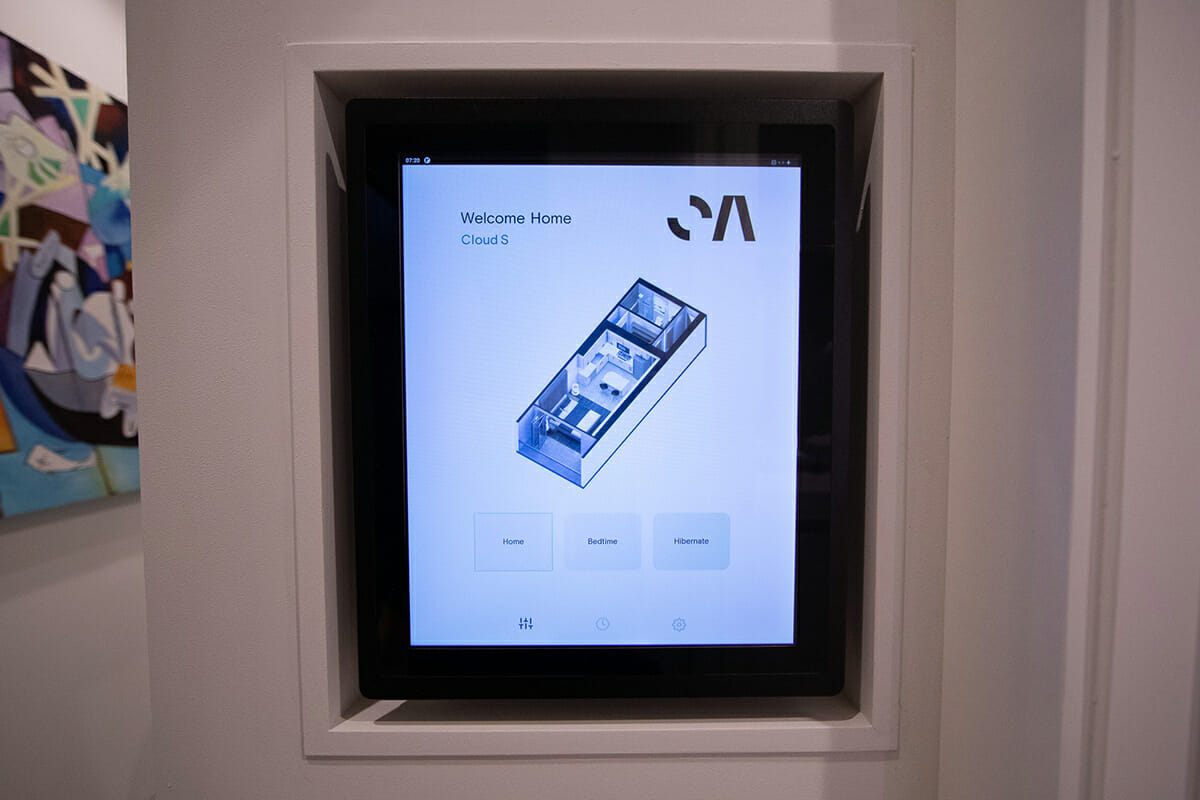
Each unit includes an integrated touchscreen at the apartment entrance.
The Sky is the Limit
As they put the finishing touches on the completed prototype, Wong and Rapa are toying with a variety of additional automated concepts and ideas such as a Roomba coming out of a cabinet to vacuum while the tenant is away, utilizing a battery that can power the unit for 24 hours, and integrating projector technology to turn blank walls into high-definition screens. Wong gives the example of projecting a cooking video in the kitchen at dinner time to emulate the feeling of cooking dinner with a chef.
“We’re having fun here. We’ll see what gets included in the final versions, but it’s fun,” says Wong. While the sky is the limit when it comes to ideas and what can be implemented into a Cloud Apartment, Wong remains conscious of cost noting that the ultimate cost for the renter is the main driver behind everything that they’re doing.
“These are add-on features, but cost is always going to be the number one factor because at the end of the day, housing doesn’t get built unless it pencils. Cost is everything,” adds Wong.
New Potential for the Industry
As the industry stands now, once a site is found for a 200-unit apartment building in a place like the Bay Area, it takes 12 months to design it and get it approved and ready for construction. Then, it takes another 24 months to complete the construction and another 12-18 months to get the units rented out and for the owners to start making an income on their investment. Wong’s game-changing approach is seeing apartments as products, and Cloud Apartments are pre-designed products. This allows Wong to get permitted, inspected, and pre-approved by the State of California and then focus solely on site-specific design, cutting design time in half.
“You don’t resign a car every time you buy a new car. It’s a pre-designed product. It’s approved,” points out Wong. Instead of taking 12 months to design, it can be cut in half because the remaining bottleneck is the site-specific design. Add on the Cloud Alignment System (CAS) and the backend gets shrunk quite a bit as far as utility connections, commissioning, and everything needed to open it. Then, when it comes to the time it would take to lease the apartments, Wong doesn’t believe that it will take 12 months to lease a Cloud Apartment building.
“This shrinks the entire process down without any risks while reducing costs. That whole process means you can scale how you build housing. If we can do that, we can build housing everywhere,” exclaims Wong. “Everyone’s happy. Developers get their buildings from investment to opening in under 24 months, renters are getting these beautiful apartments at the right cost because they’re sharing on those cost-savings, and a new brand in housing starts to form, all around modular.”
Wong envisions Cloud Apartments popping up in every city around the country, and he hopes to eventually go international.
Flexibility in Design
A typical Cloud Apartments building will have five stories of residential units over a concrete podium housing parking and retail space. When it comes to flexibility, Wong explains that they like to work with architects that share their mindset. The Cloud Apartment units can be configured onto a site in any way, allowing for certain shapes to be created. Additionally, the podiums and roofs can be customized, but the interiors of the units are not customizable as that’s where the product lies.
Wong and his team are allowing for customization in the materials that are used for the façade, but the materials they use can mimic any desired look.
Coming to a City Near You
Currently, Wong and his team are putting together sites all over the Bay Area including San Jose, Berkley, Concord, Redwood City, and beyond in cities like Portland, Seattle, and even near DC.
As far as what’s next, Wong says he’s going to keep iterating and improving on their recently unveiled prototype, continue to build additional prototypes, certify the best partner they can think of in each market, and continue to improve the Cloud Alignment System (CAS). But what he’s excited about is creating the brand around Cloud Apartments.
“Commercials for housing or apartments don’t exist, which is weird. So, we want to shoot commercials like what you might see for a luxury car and put Cloud Apartments out there as this new type of housing,” says Wong.
He hopes that they will start to scale, and the world will start to see Cloud Apartments everywhere.
About the Author: John McMullen, PCM, is the marketing director for the Modular Building Institute. You can reach him directly at mcmullen@modular.org or on LinkedIn.
More from Modular Advantage
How Stack Modular Is Using AI to De-Risk Mid- to High-Rise Modular Construction
Artificial intelligence is no longer a future concept in modular construction—it is already reshaping how complex buildings are evaluated, designed, and delivered.

Gearing Up for the 2026 World of Modular
The Modular Building Institute (MBI) is bringing its global World of Modular (WOM) conference and tradeshow back to Las Vegas in April, and with it comes some of the industry’s best opportunities for networking, business development, and education.
New High-Rise Modular Apartment in Abu Dhabi Points Toward the Future of Multifamily Construction
Eagle Hills International Properties chose the BROAD Holon Building for a 16-story market rate apartment building in Zayed City, a central business district of Abu Dhabi. The project highlights the potential of the Holon system of volumetric modular construction to accelerate housing delivery.
MBI Announces First Ever Industry Apprenticeship Program in Collaboration with Marshall Advanced Manufacturing Center
MBI recently agreed to partner with Marshall Advanced Manufacturing Center (MAMC) to provide bona fide USDOL-approved apprenticeship programs for the industry.
AoRa Development Aims for New York’s First Triple Net Zero Building Using Modular Methods
More cities are providing funding for newer infrastructure projects as long as they meet sustainability requirements. This is how modular can fit the bill, thanks to its lower waste production.
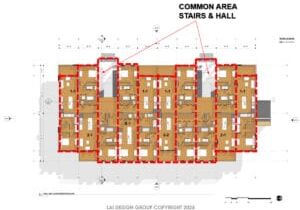
Developers and Designers: Lessons Learned with Modular Design
Modular construction is attractive to many developers because sitework and module construction can occur simultaneously, shortening the schedule and reducing additional costs.
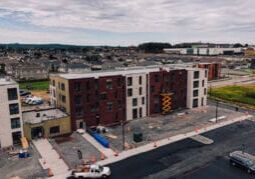
UTILE: Putting Modular Building on a Fast Track
In Quebec, UTILE is taking the lead in creating affordable modular buildings to help decrease the student housing shortage. During the process, the company discovered what it takes to make the transition to modular building a success.
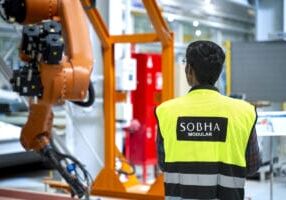
Sobha Modular Teaches Developers How to Think Like Manufacturers
With its 2.7 million square foot factory in UAE, Sobha Modular is bringing both its high-end bathroom pods to high-end residences to Dubai while developing modular projects for the U.S. and Australia.
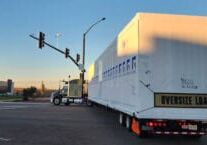
RoadMasters: Why Early Transport Planning is Make-or-Break in Modular Construction
In modular construction, transportation is often called the “missing link.” While it rarely stops a project outright, poor planning can trigger costly delays, rerouting, and budget overruns.
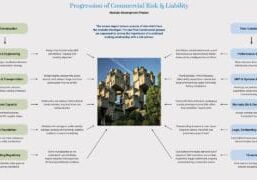
Navigating Risk in Commercial Real Estate and Modular Construction: Insights from a 44-Year Industry Veteran
Modular projects involve manufacturing, transportation, and on-site assembly. Developers must understand exactly what they are responsible for versus what they subcontract. Risk advisors should research the developer’s contractors, subcontractors, and design-build consultants—especially the modular manufacturer.