Modular Healthcare Market Size & Forecast
As municipalities around the world continue to expand their abilities to provide healthcare, modular construction is providing developers and community leaders what conventional building methods cannot: drastically compressed timelines to ROI, predictable cost structures, and the flexibility to meet patients where they are. Whether permanent or temporary, today's modular healthcare buildings are more flexible, scalable, and efficient than ever before.
In fact, according to MBI's 2026 United States Permanent Modular Construction Industry Report, following a notable post-COVID rise in the early 2020s, the modular healthcare sector is projected to show steady growth through the end of the decade.
Specifically, MBI expects the permanent modular healthcare market to grow at 7.4 percent CAGR over the next five years with a market size of $1.4 billion by 2029.
Modular Healthcare Applications
MBI members are delivering modular healthcare solutions across the full spectrum of project types — from long-planned regional hospitals to quickly-deployed emergency care and disaster-response facilities.
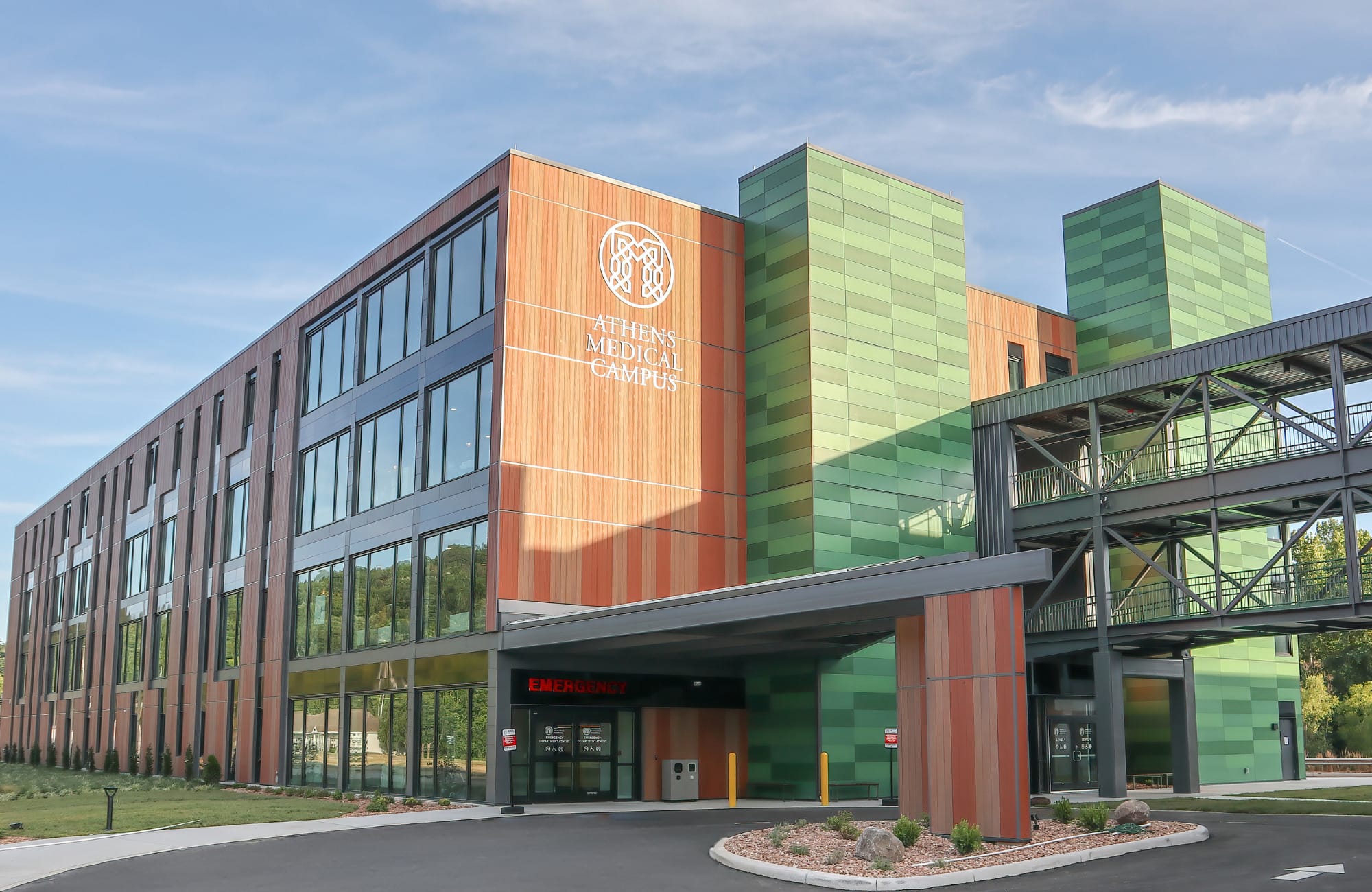
Large hospitals
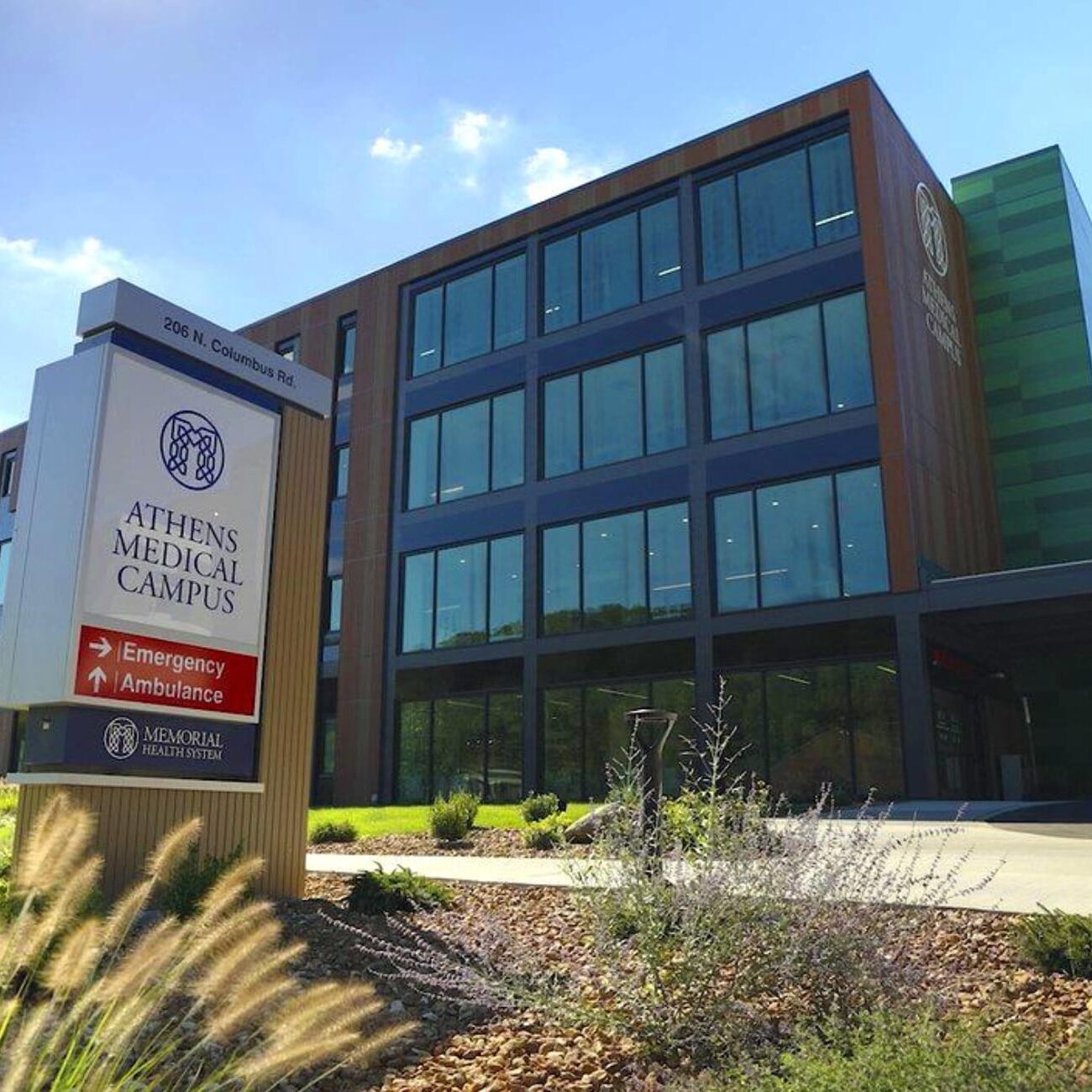
Hospital additions
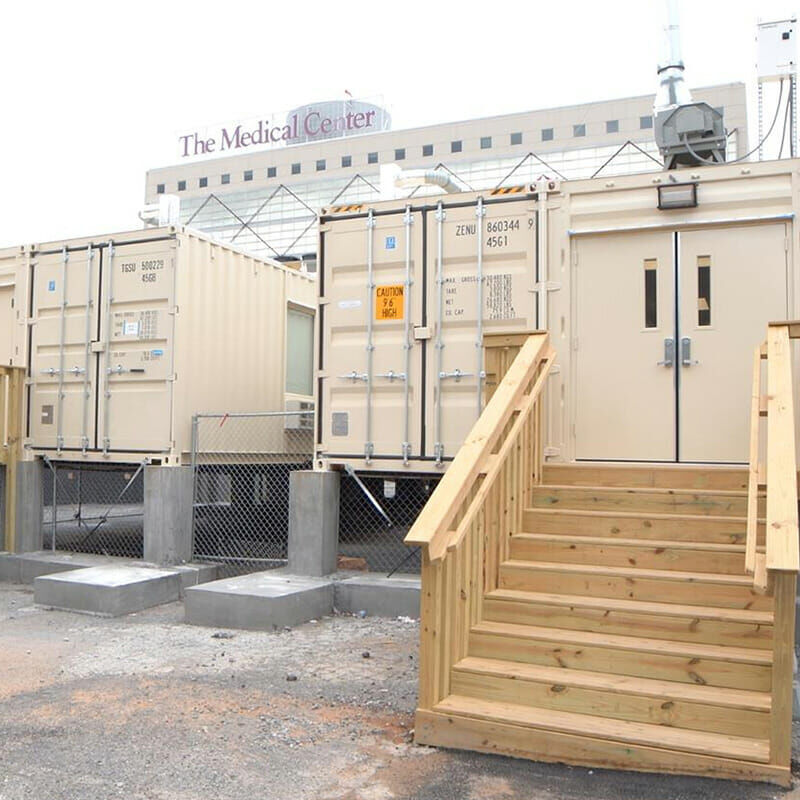
Disaster response facilities
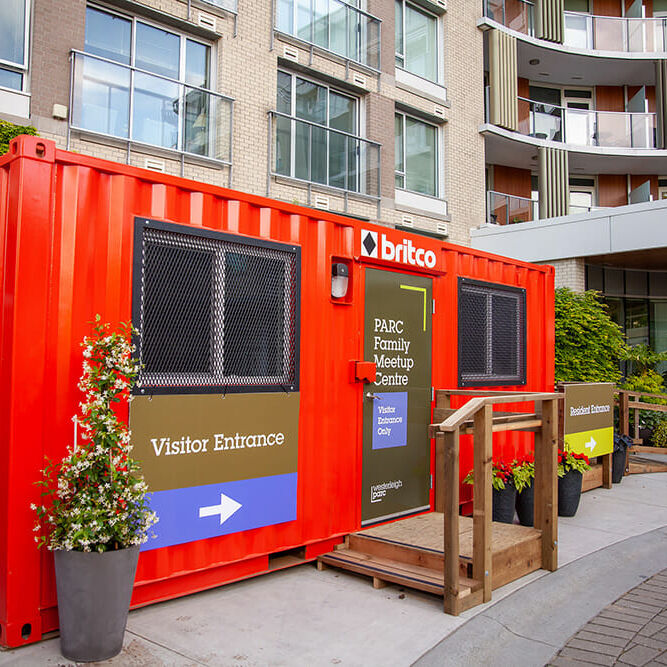
Vaccination centers
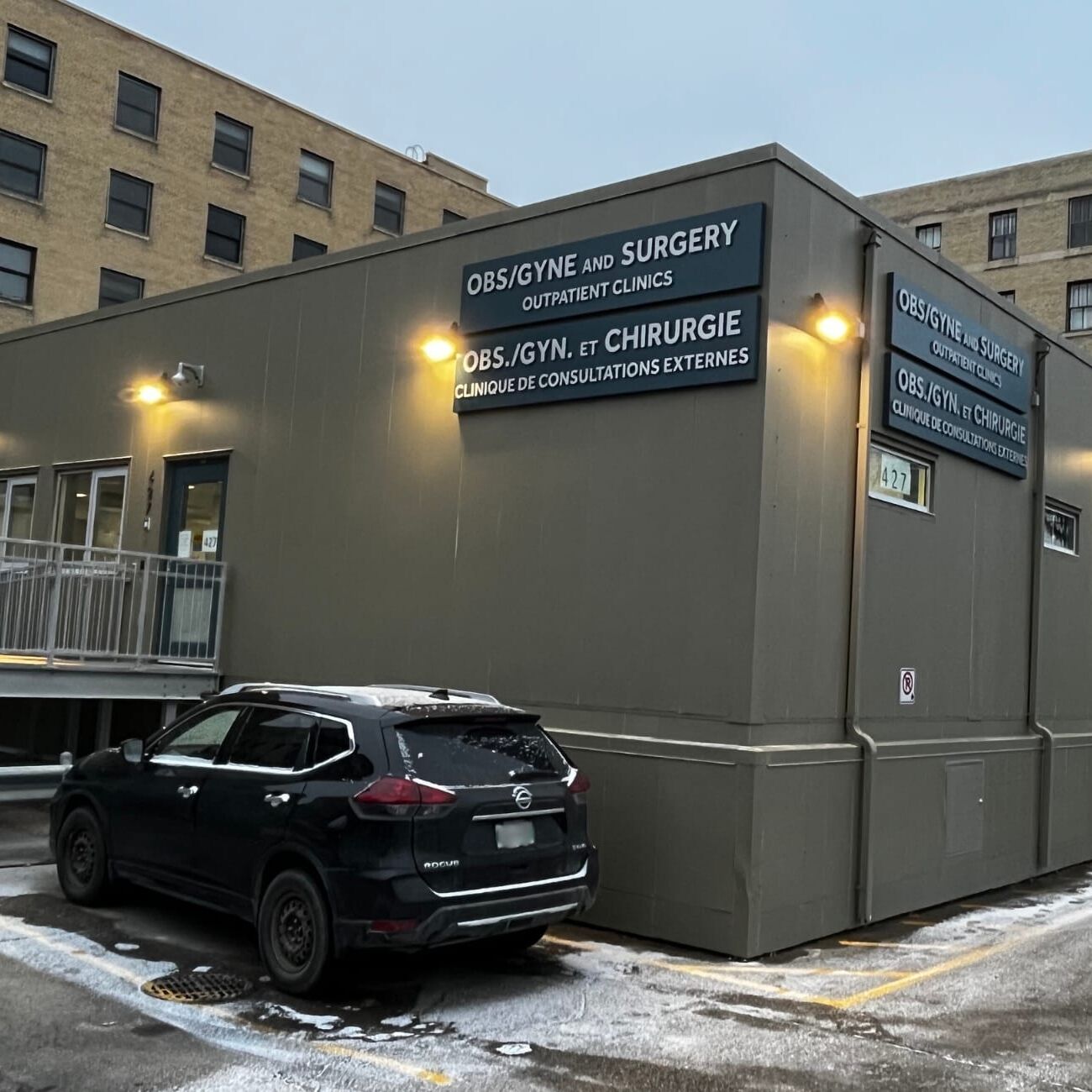
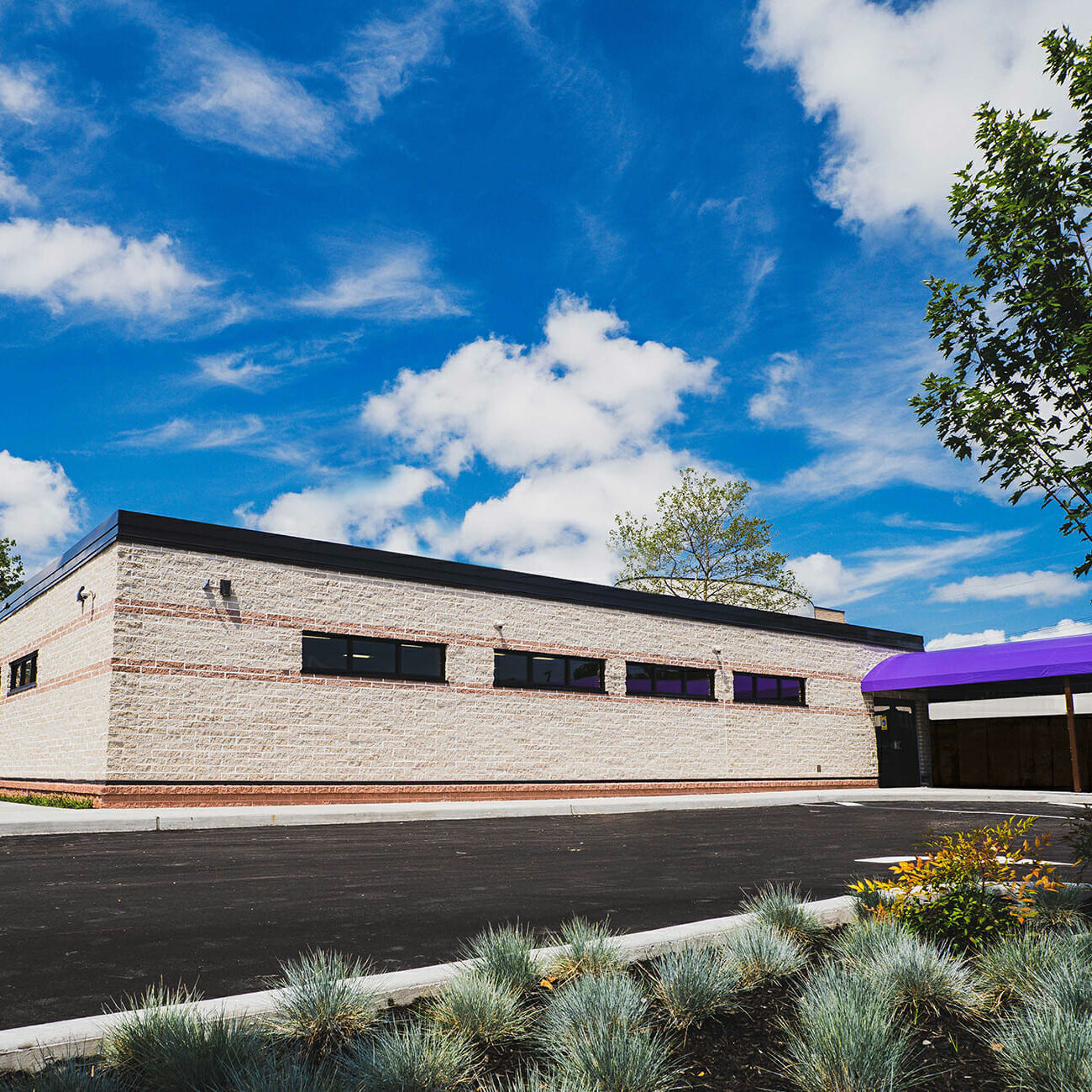
Ambulatory care clinics
Explore Modular Healthcare Projects Around the World
Use this interactive map to learn more about modular healthcare projects built by MBI members across the globe.
Benefits of Modular Construction for Healthcare Projects
The need for more permanent and temporary healthcare facilities was made plain during the COVID pandemic. All at once, the benefits provided by modular construction—speed, efficiency, and predictability—were what healthcare providers needed most.
Now, as communities apply the lessons learned from COVID and plan for their future needs, modular construction remains as a highly efficient, cost-effective path forward, able to provide state-of-the-art facilities ranging from large metropolitan hospitals to pop-up vaccination clinics in rural communities.
Speed to Occupancy
Site work and module fabrication happen simultaneously, compressing timelines that would could last 18–24 months into as few as 9–12. That's treatment and revenue-generating capability, faster.
Predictable Budgets
Factory production insulates modular healthcare projects from the labor shortages and material volatility that plague site-built work. Costs are locked earlier, surprises are fewer.
Consistent Quality
With highly-repeatable units, modular hospitals and clinics can be built to the same specifications, in the same environment, by the same crews — inspected at the factory before they ever reach the site. Less rework. Tighter tolerances.
Reduced Site Impact
Fewer trucks, fewer workers, less noise, less debris. For many permanent and temporary healthcare projects, minimizing site disruption isn't just courteous — it's often a permitting requirement.
Scalable Units
From mobile care centers to permanent hospitals, modular delivery scales across product types without sacrificing quality or design flexibility.
Built Sustainably
Tighter building envelopes, reduced site waste, and the ability to integrate energy-efficient systems at the factory level give modular healthcare centers a measurable sustainability edge.
Emerging Trends and Future Potential
The future of healthcare construction is increasingly modular. With advancements in technology and materials, modular building techniques are becoming even more versatile and capable of meeting the complex requirements of hospitals, clinics, and medical centers. From emergency pop-up, modular clinics to fully-fledged hospitals, modular construction offers a scalable and adaptable solution that can evolve with the changing needs of the healthcare industry.
The Value of Modular Construction
By offering speed, cost-efficiency, and sustainability, modular building techniques stand out as a critical solution for the challenges facing healthcare infrastructure today. As MBI members continue to innovate and push the boundaries of what is possible, the role of modular construction for hospitals and clinics is set to grow even further. We invite readers to explore more about how MBI and its members are leading the charge in healthcare innovations, paving the way for a healthier, more sustainable future.
Explore Modular Healthcare Articles & Case Studies
The following projects highlight modular's presence in the healthcare sector
Rules, Rails & Repeatability: Applying DfMA to Modular Healthcare
DfMA offers several advantages for healthcare projects, with faster delivery among the most valuable. Schedule matters when building new facilities, expanding campuses, renovating existing space or bringing care closer to communities that need it.
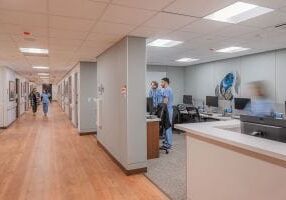
STAAT MOD Patient Bed Expansion at M Health Fairview – St. John’s Hospital
Construction firm The Boldt Company, and interdisciplinary design firm, HGA were engaged by St. John’s Hospital to deliver a 16-bed ICU patient observation wing onto the existing facility, built to over 90 percent completion offsite in Appleton, Wisc., then seamlessly transported and installed on the St. John’s campus – the first of its kind in the state of Minnesota.
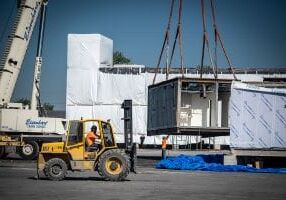
Customized & Complex: Inside the Construction of the Nation’s Largest Modular Hospital
With about 100,000 square feet of space on four levels, MODLOGIQ is producing 100% of the hospital’s space off-site in their factory. That includes everything from mechanical, electrical, and plumbing to interior finishes and casework to about an 85% level of completion.

This Partnership Strives to ‘Take the Hell Out of Healthcare’
New York general contractor The Axis Group and Pennsylvania modular manufacturer MODLOGIQ have partnered on many projects over the years and have have found success using modular construction in an uncommon way: by constructing healthcare buildings.
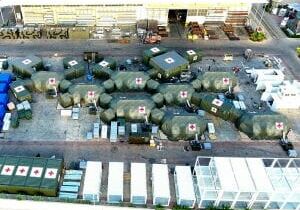
Mobile Hospitals: Lessons Learned During COVID
For this article, we caught up with
two modular manufacturers — one large, one small — who shared their experiences manufacturing mobile hospitals during the pandemic, and how those experiences have shaped
their ability to respond to future emergencies.
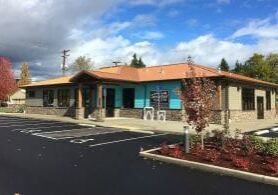
Blazer Industries – Pediatric Dental Clinic
The goal of the client was to provide top notch affordable care while minimizing additional overhead costs.
Find a Modular Builder for Your Next Healthcare Project
MBI members include the most experienced modular manufacturers and
contractors across the globe — all vetted, all ready to deliver.