Multifamily Modular Market Size & Forecast
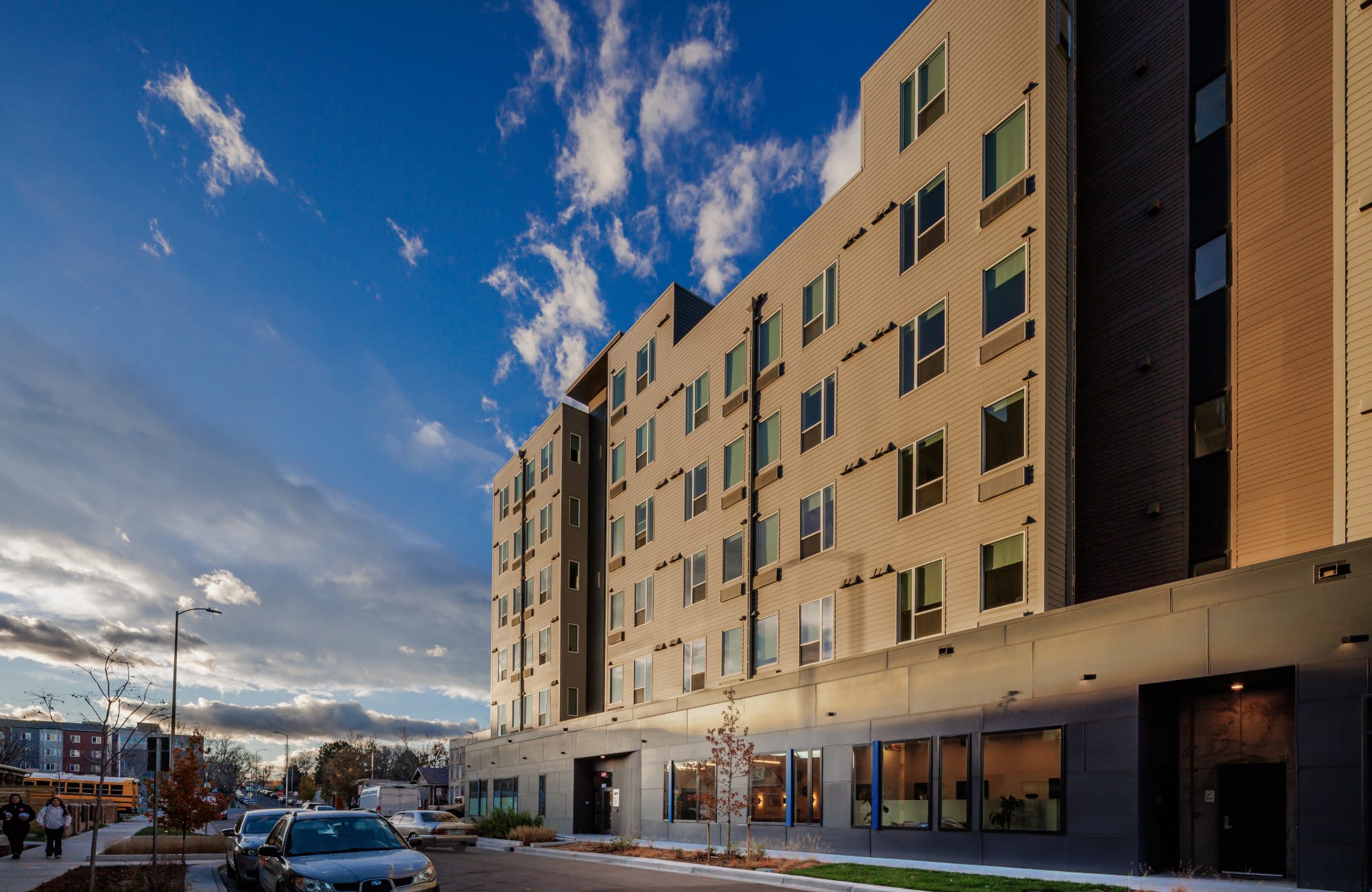
From high-density urban infill developments to sprawling suburban apartment complexes, modular construction offers multifamily developers and investors what conventional building methods cannot: drastically compressed timelines to ROI, predictable cost structures, and minimized site disruption. Today's permanent, volumetric modular multifamily buildings are indistinguishable from traditional site-built structures, offering complete design flexibility to meet any architectural or market-rate specification.
In fact, according to MBI's 2026 United States Permanent Modular Construction Industry Report, multifamily residential continued to represent the largest modular segment in 2025 at $6.8 billion, representing 9.1 percent of the overall segment. Strong growth drivers continue to include housing affordability, urban migration, and labor shortages.
Looking ahead, MBI expects the modular multifamily market to grow at 8.6 percent CAGR over the next five years, outpacing the overall construction CAGR in this sector by 3.4 percent.
Multifamily Applications Fit for Modular
MBI members are delivering modular solutions across the full spectrum of multifamily project types — market-rate, affordable, workforce, and student housing alike.
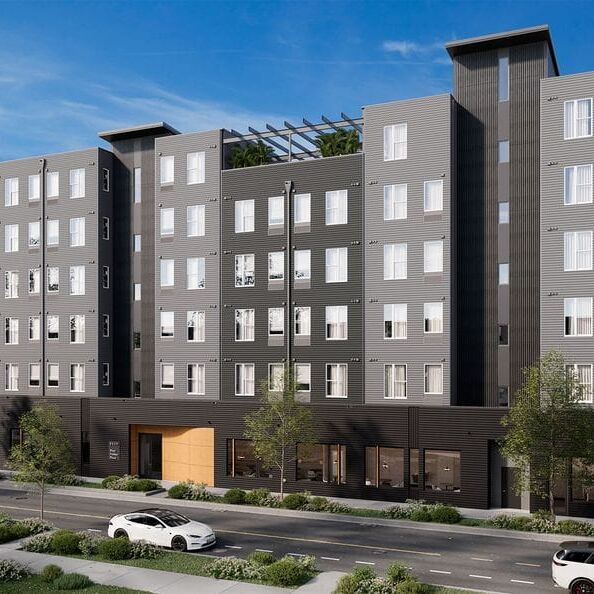
Urban infill
apartments
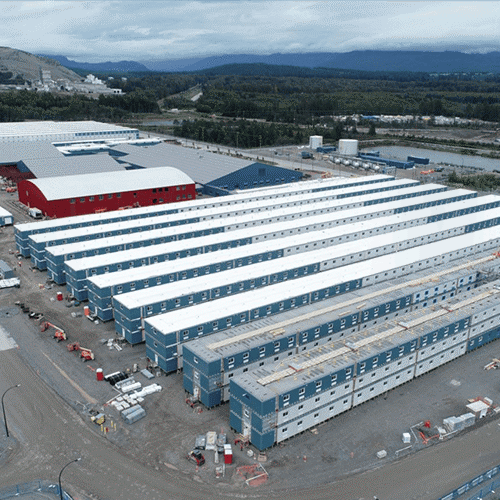
Workforce housing developments
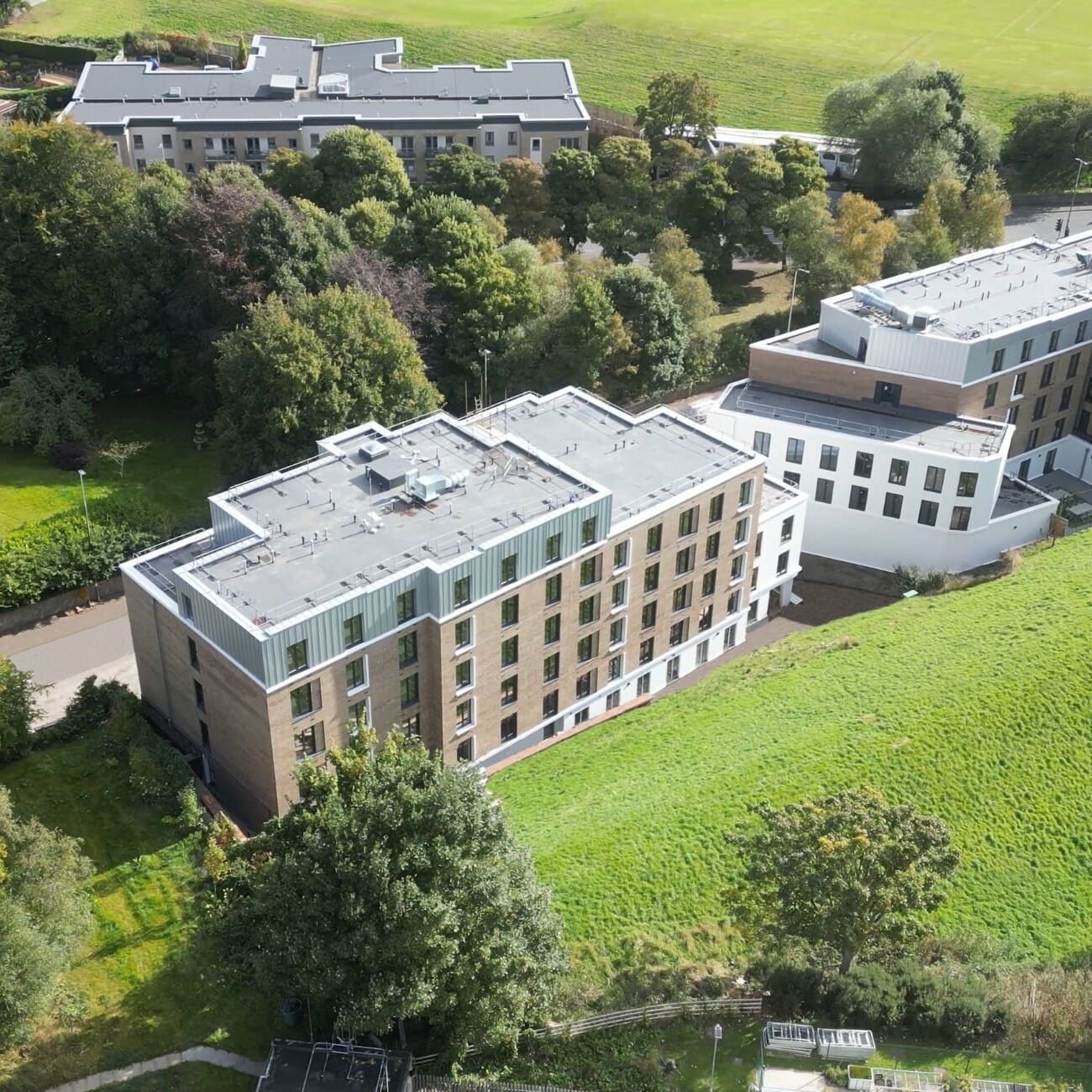
Student & faculty housing
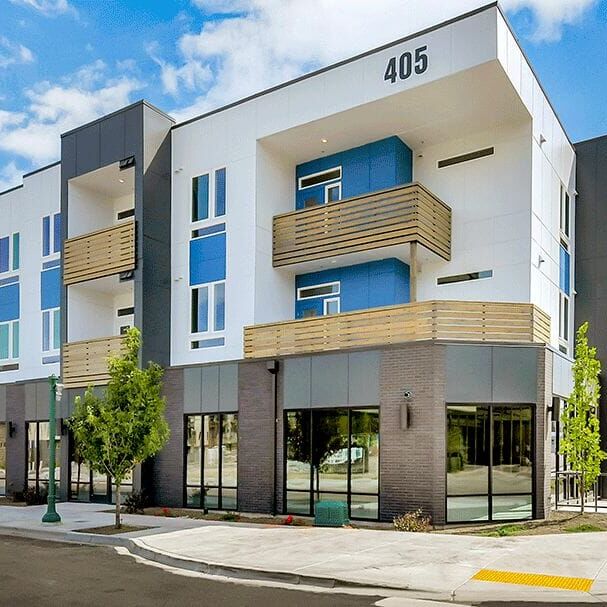
Mixed-use residential
above retail
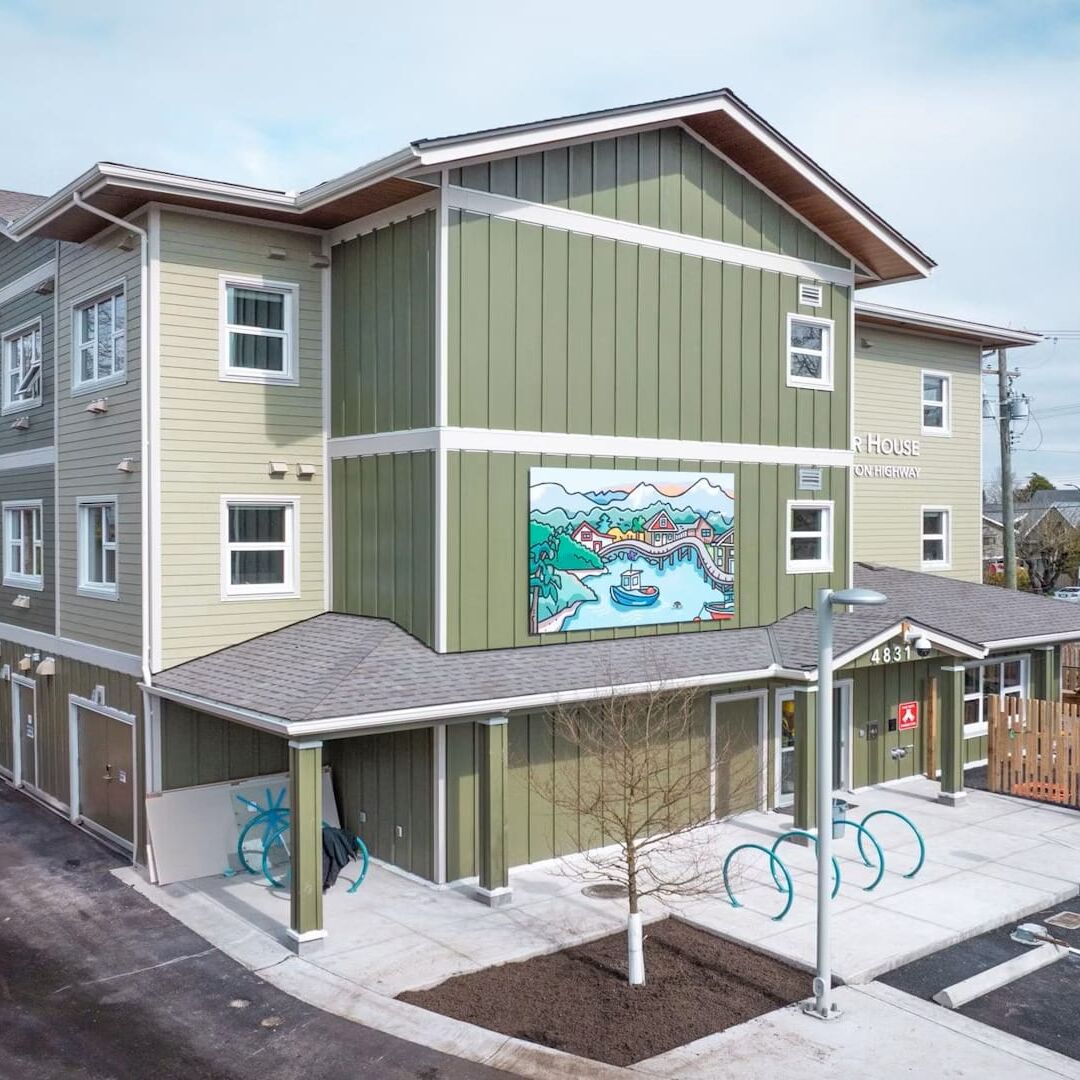
Afforable & attainable housing
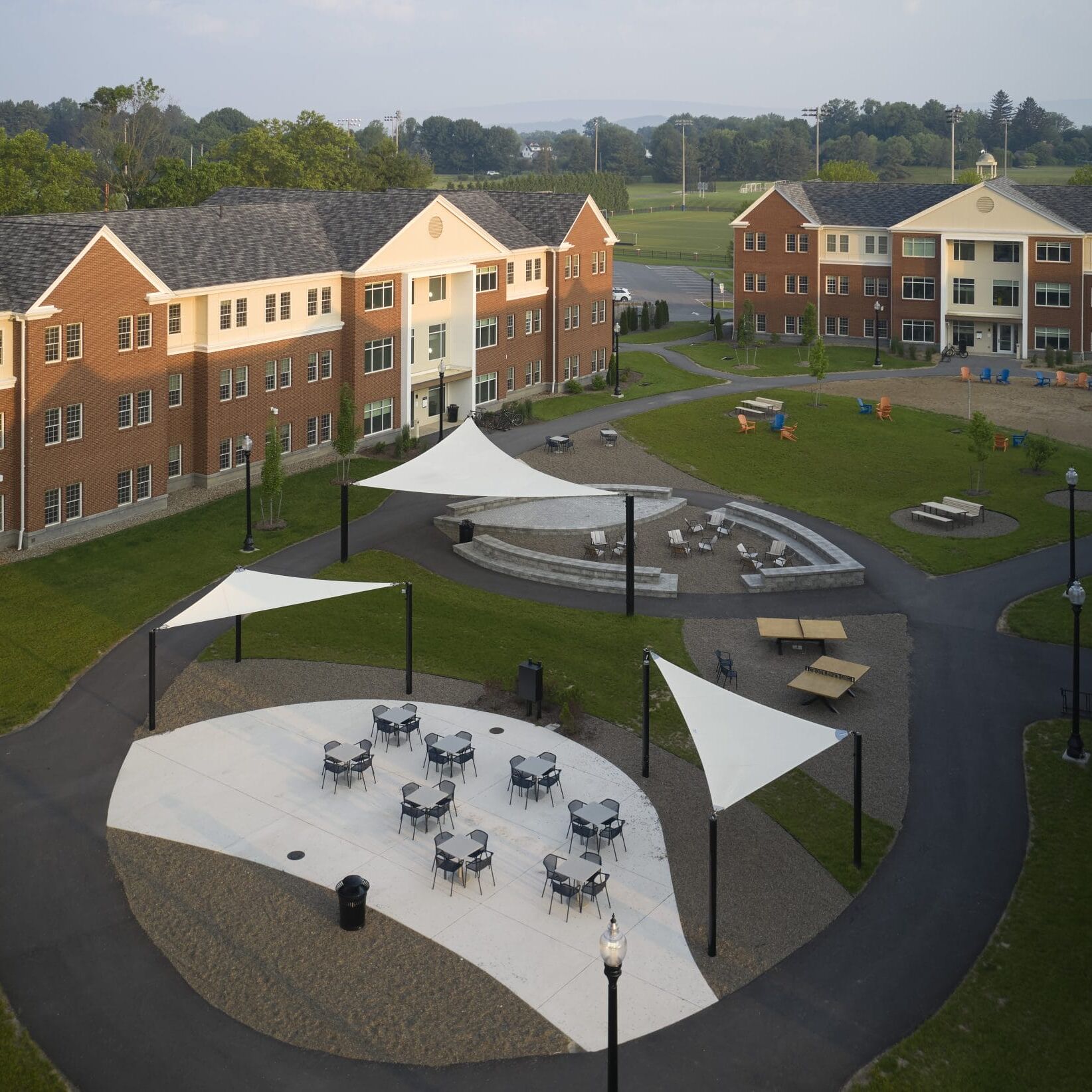
Multi-family communities
Explore Multifamily Modular Projects Around the World
Use this interactive map to learn more about multifamily modular projects built by MBI members across the globe.
Benefits of Modular Construction for Multifamily Housing
Modular construction distinguishes itself through several key advantages. Primarily, it reduces construction time by allowing site work and building construction to co-occur. This efficiency can lead to cost savings, as the faster turnaround time lowers labor costs and allows for earlier occupancy.
Moreover, modular buildings are constructed in a controlled factory environment, which enhances quality control, reduces waste, and contributes to their sustainability. The scalable nature of modular construction creates opportunities for developers to adjust project sizes to meet the fluctuating demands for housing.
Speed to Occupancy
Site work and module fabrication happen simultaneously, compressing timelines that would otherwise stretch 18–24 months into as few as 9–12. That's revenue-generating occupancy, faster.
Predictable Budgets
Factory production insulates multifamily projects from the labor shortages and material volatility that plague site-built work. Costs are locked earlier, surprises are fewer.
Consistent Quality
Modules are built to the same specifications, in the same environment, by the same crews — inspected at the factory before they ever reach the site. Less rework. Tighter tolerances.
Reduced Site Impact
Fewer trucks, fewer workers, less noise, less debris. For urban infill and mixed-use multifamily, minimizing neighborhood disruption isn't just courteous — it's often a permitting requirement.
Scalable Units
From micro-units and affordable housing to luxury mid-rise apartments, modular delivery scales across product types without sacrificing finish quality or design flexibility.
Built Sustainably
Tighter building envelopes, reduced site waste, and the ability to integrate energy-efficient systems at the factory level give modular multifamily a measurable sustainability edge.
Emerging Trends and Future Potential
While multifamily is the modular construction industry's largest segment by spend, it is projected to be relatively flat in 2026. Near-term project starts in multifamily have been constrained by financing costs and interest rates. However, most delayed projects are proceeding on an adjusted schedule rather than being canceled outright, suggesting potential pipeline growth as developers seek more stable market conditions.
The Value of Modular Construction
Permanent modular construction offers a compelling solution for developing multifamily housing, addressing critical affordability, quality, and speed challenges. Through the successful projects of MBI members and the industry's ongoing evolution, it is clear that modular construction is not just an alternative method but a forward-thinking approach to building better communities faster. Developers and housing authorities are encouraged to explore modular solutions, leveraging their benefits to meet the growing needs for sustainable, quality housing.
Explore Modular Multifamily Articles & Case Studies
The following projects highlight modular's presence in the multifamily sector
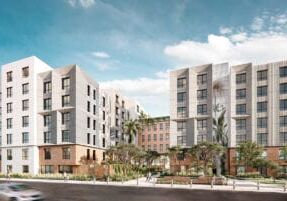
Mind the Gap: The Interface Between Onsite and Offsite Construction
Every design for manufacture and assembly (DfMA) project — modular, mass timber, or panelized — is really two projects joined at a seam. One is built in a controlled factory to millimeter tolerances; the other in the field, in weather, to the looser tolerances of poured concrete and human hands. Between them sits an interface: where the factory’s precision meets the site’s reality.
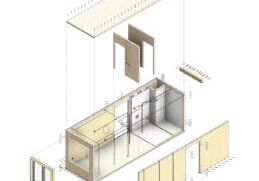
Precision and Possibility: Demands of DfMA and What Modular Mass Timber Makes Possible
Mass timber does not automatically create an efficient modular building. Its precision makes early coordination more important: fabricated components will accurately reproduce both the team’s solutions and its mistakes. The material’s advantages are realized only when supported by an equally precise design and delivery process.
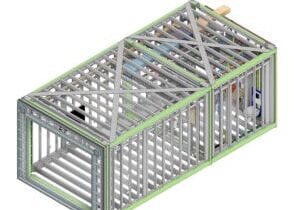
Modular by Design: Turning Architecture into a Manufacturing System
Modular construction is often presented as a faster way to build. Speed, however, is only one part of its value. The larger opportunity is to create a coordinated design and production system that improves quality, reduces uncertainty, and allows a building to move efficiently from concept design through manufacturing, transportation, installation, and completion.
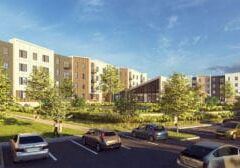
Repeatability Begins with Trust: What Alora at Dry Creek Reveals About Scaling Modular Housing
Alora at Dry Creek, a 329-unit, multifamily community comprising five four-story buildings in Centennial, Colorado, demonstrates how repeatable design, standardized manufacturing and early collaboration can work together to create a model that is not only faster to deliver, but easier to replicate across future projects.
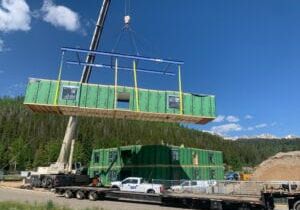
Affordable Housing, One Module at a Time
For builders and developers, modular factories offer significant scheduling and cost efficiencies compared with traditional site-built construction, regardless of whether the final product is workforce housing, single family homes, or apartment buildings.

Advancing Modular Housing Policy in California: An Interview With Tyler Pullen of Terner Labs/UC Berkeley’s Terner Center for Housing Innovation
Artificial intelligence is no longer a future concept in modular construction—it is already reshaping how complex buildings are evaluated, designed, and delivered.
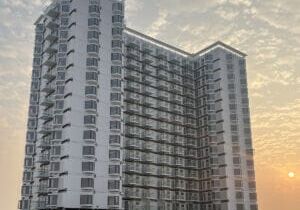
New High-Rise Modular Apartment in Abu Dhabi Points Toward the Future of Multifamily Construction
Eagle Hills International Properties chose the BROAD Holon Building for a 16-story market rate apartment building in Zayed City, a central business district of Abu Dhabi. The project highlights the potential of the Holon system of volumetric modular construction to accelerate housing delivery.
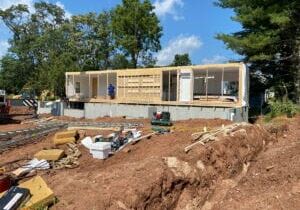
AoRa Development Aims for New York’s First Triple Net Zero Building Using Modular Methods
More cities are providing funding for newer infrastructure projects as long as they meet sustainability requirements. This is how modular can fit the bill, thanks to its lower waste production.
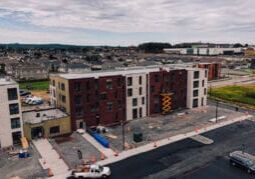
UTILE: Putting Modular Building on a Fast Track
In Quebec, UTILE is taking the lead in creating affordable modular buildings to help decrease the student housing shortage. During the process, the company discovered what it takes to make the transition to modular building a success.
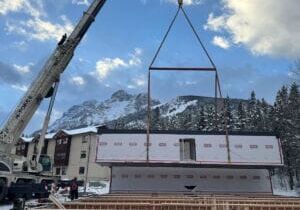
Pomeroy Employee Housing
The Pomeroy Lodging Employee Housing complex in Kananaskis, AB, is a 24,194 sq. ft., three-story structure with 57 studio units and a communal main-level area, designed for full-time employees and comprised of 36 prefabricated modules.
Find a Modular Builder for Your Next Multifamily Project
MBI members include the most experienced modular manufacturers and
contractors across the globe — all vetted, all ready to deliver.