
Offsite Modular Construction Builds and Installs 12 New Classrooms for Westlake Academy in 100 Days
Challenge
Westlake Academy began using portable classroom units to accommodate its growing student population. As the buildings began to deteriorate and exceed their useful life, the school administration hoped not only to enhance the educational experience for students but also to improve the work environment for staff, thereby attracting new talent.

Adding to the challenge, due to its high enrollment that required full utilization of instructional space, the district was up against an exceptionally tight timeline. The entire process, including design, demolition, and construction, had to be completed in six months, before the start of a new school year – any solution that took classrooms out of commission during the school year was a dealbreaker. Given these timing challenges, as well as the concerns of safety and campus disruption that accompany a traditional construction approach, the district assumed its only option was bringing in another set of temporary portable-style structures to replace the old ones. Certainly, no site-built approach could demolish and remove the existing units and construct new ones between late June and early August – in fact, traditional construction of such a project could be expected to take a year or longer.
Objective
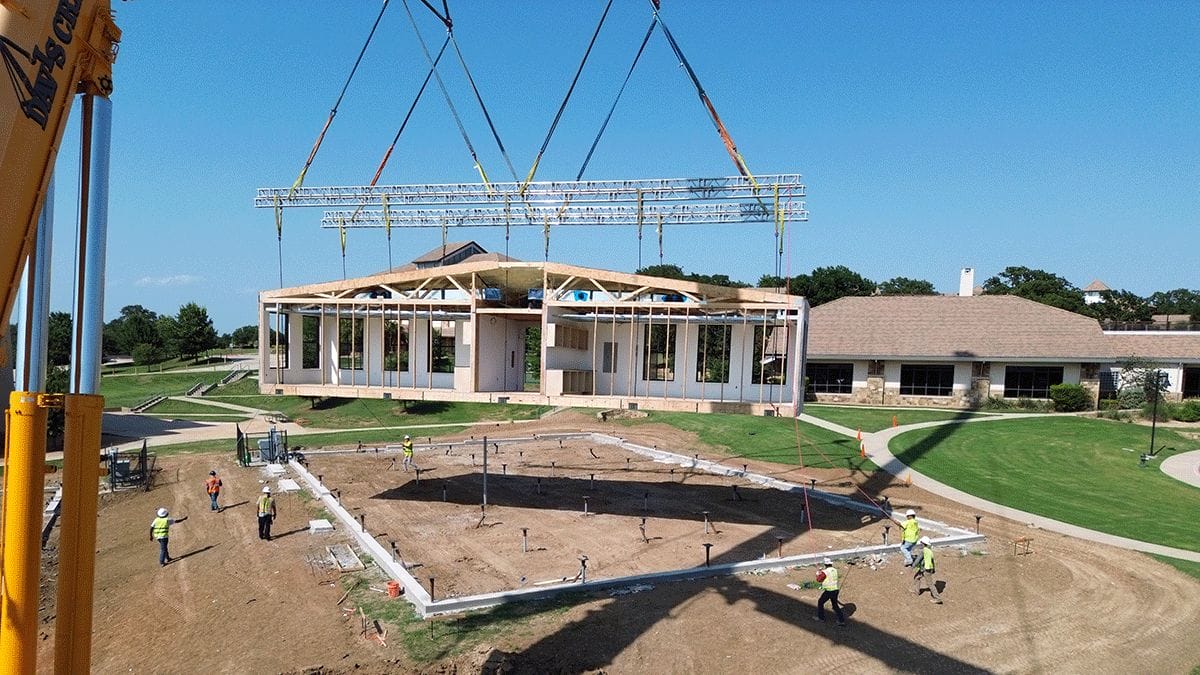
Once they learned that a permanent, high-quality solution could be delivered within their challenging timeline, Westlake Academy partnered with Offsite Modular Construction to construct, deliver, and install 12 state-of-the-art modern classrooms within about 100 days, ensuring a safe, beautiful, and technologically advanced learning environment for students and staff.
Solution
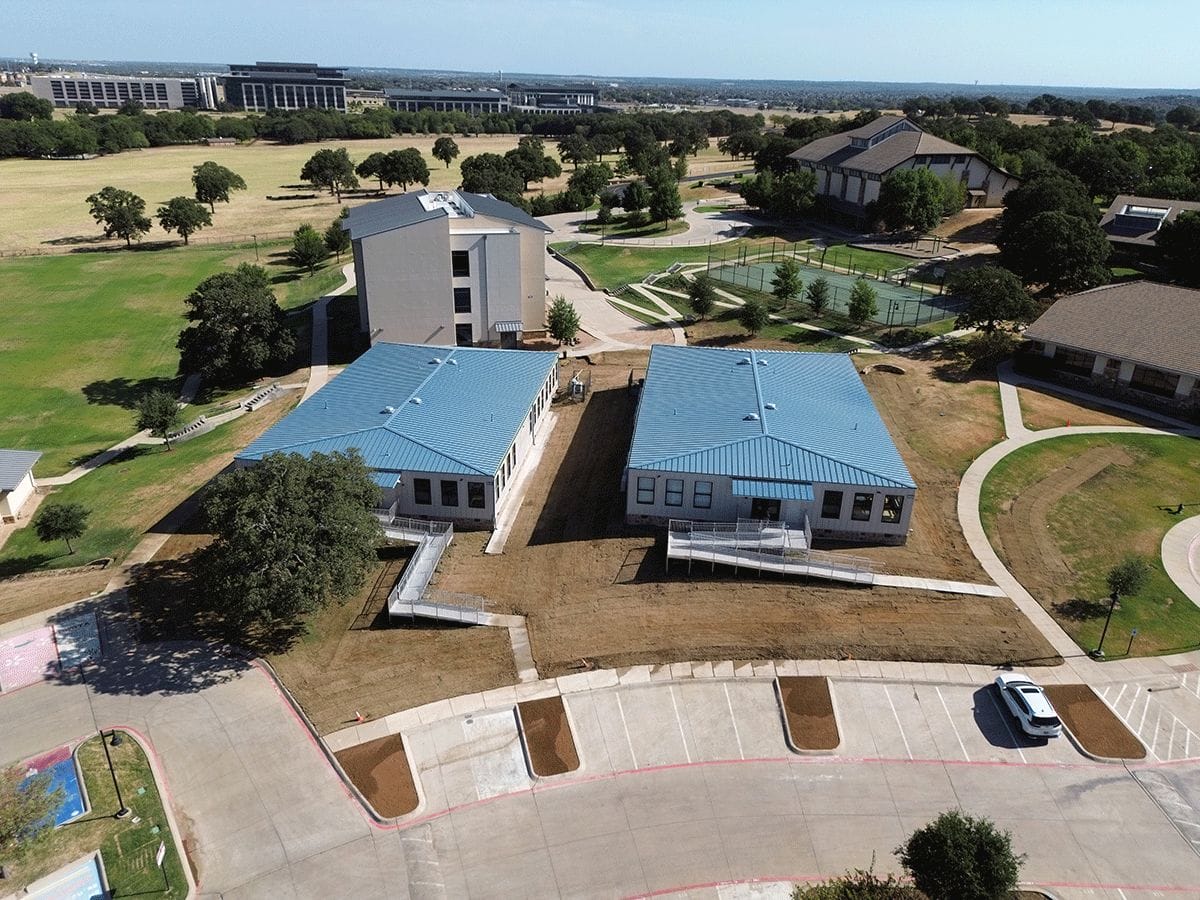
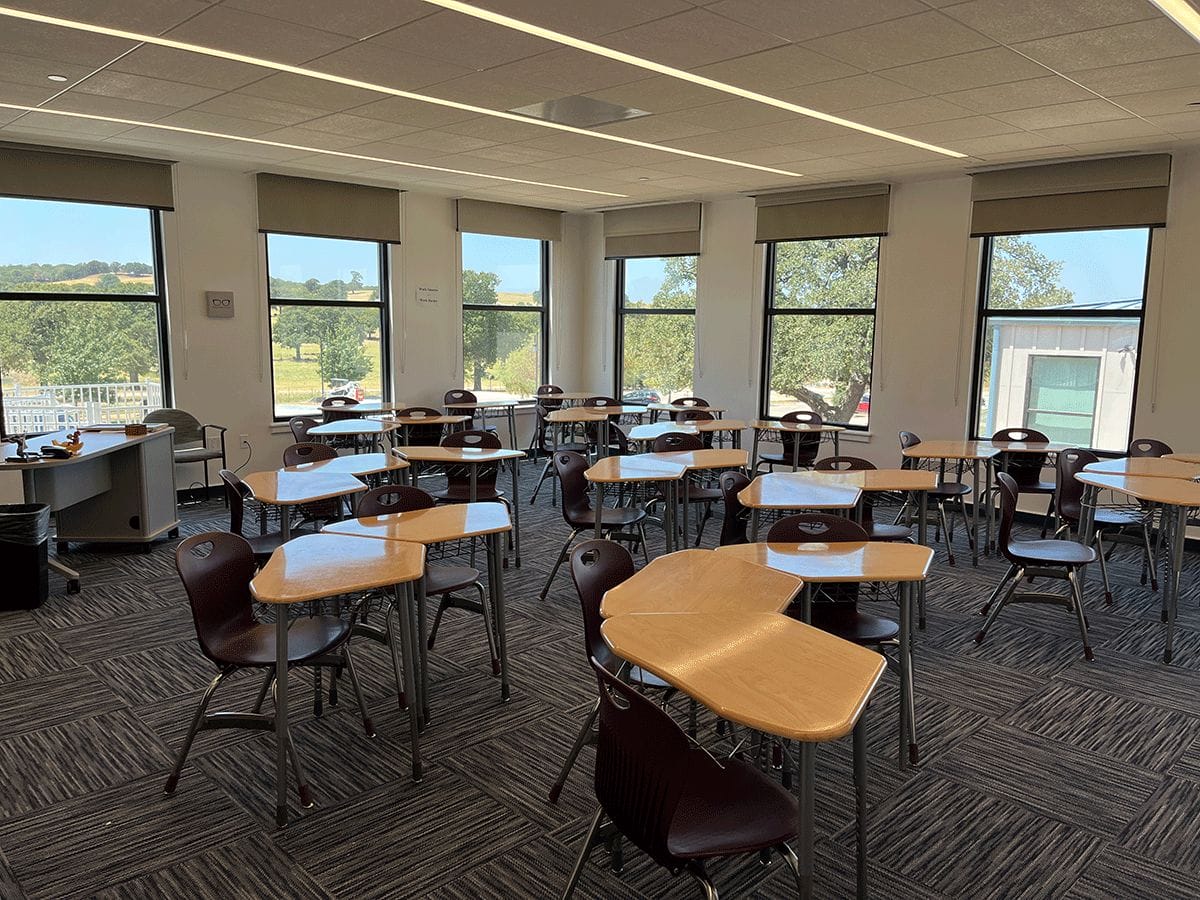
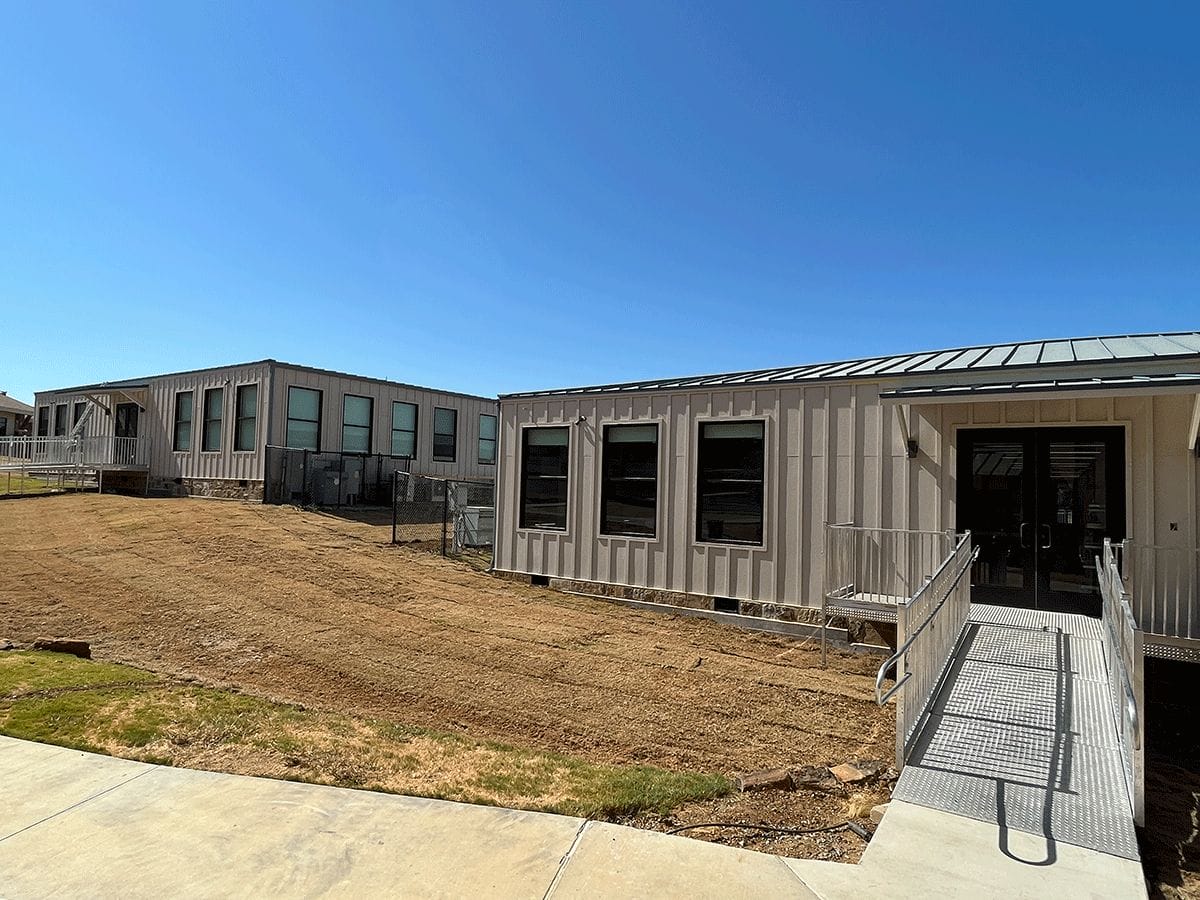
OMC utilized modular construction techniques to manufacture two brand new permanent 6,400-square-foot modular buildings, each housing six classrooms. The process included innovative design features for safety, durability, environmental sustainability, integrated technology enhancements, and health-oriented construction.
Results
In the span of three installation days, the Westlake Academy campus expanded by nearly 13,000 feet… OMC began construction in its factory in April and students had their first classes in the new buildings in August, significantly faster than any traditional construction method could have delivered a project of this scale. The new classrooms included advanced features like teacher-controlled dimmable LED lighting, natural light windows, separate HVAC systems with HEPA 15 air filtration, and enhanced security measures.
This achievement not only met the school’s immediate needs but also demonstrated the efficiency, quality, and adaptability of modular construction in the education sector. The project set a new benchmark for school construction timelines while receiving rave reviews from the local community, including Westlake Mayor Sean Kilbride, who lauded the beauty and quality of the new structures and said, “We’re quite certain our students will be as happy with the results as we are.”
More from Modular Advantage

How Stack Modular Is Using AI to De-Risk Mid- to High-Rise Modular Construction
Artificial intelligence is no longer a future concept in modular construction—it is already reshaping how complex buildings are evaluated, designed, and delivered.

Gearing Up for the 2026 World of Modular
The Modular Building Institute (MBI) is bringing its global World of Modular (WOM) conference and tradeshow back to Las Vegas in April, and with it comes some of the industry’s best opportunities for networking, business development, and education.

New High-Rise Modular Apartment in Abu Dhabi Points Toward the Future of Multifamily Construction
Eagle Hills International Properties chose the BROAD Holon Building for a 16-story market rate apartment building in Zayed City, a central business district of Abu Dhabi. The project highlights the potential of the Holon system of volumetric modular construction to accelerate housing delivery.
MBI Announces First Ever Industry Apprenticeship Program in Collaboration with Marshall Advanced Manufacturing Center
MBI recently agreed to partner with Marshall Advanced Manufacturing Center (MAMC) to provide bona fide USDOL-approved apprenticeship programs for the industry.
AoRa Development Aims for New York’s First Triple Net Zero Building Using Modular Methods
More cities are providing funding for newer infrastructure projects as long as they meet sustainability requirements. This is how modular can fit the bill, thanks to its lower waste production.
Developers and Designers: Lessons Learned with Modular Design
Modular construction is attractive to many developers because sitework and module construction can occur simultaneously, shortening the schedule and reducing additional costs.
UTILE: Putting Modular Building on a Fast Track
In Quebec, UTILE is taking the lead in creating affordable modular buildings to help decrease the student housing shortage. During the process, the company discovered what it takes to make the transition to modular building a success.
Sobha Modular Teaches Developers How to Think Like Manufacturers
With its 2.7 million square foot factory in UAE, Sobha Modular is bringing both its high-end bathroom pods to high-end residences to Dubai while developing modular projects for the U.S. and Australia.

RoadMasters: Why Early Transport Planning is Make-or-Break in Modular Construction
In modular construction, transportation is often called the “missing link.” While it rarely stops a project outright, poor planning can trigger costly delays, rerouting, and budget overruns.
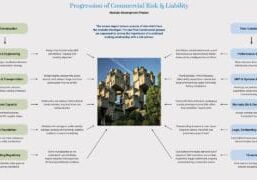
Navigating Risk in Commercial Real Estate and Modular Construction: Insights from a 44-Year Industry Veteran
Modular projects involve manufacturing, transportation, and on-site assembly. Developers must understand exactly what they are responsible for versus what they subcontract. Risk advisors should research the developer’s contractors, subcontractors, and design-build consultants—especially the modular manufacturer.