
Quality Control for Modular Houses Manufactured in Asia
V-Trust is Asia's largest product inspection company.
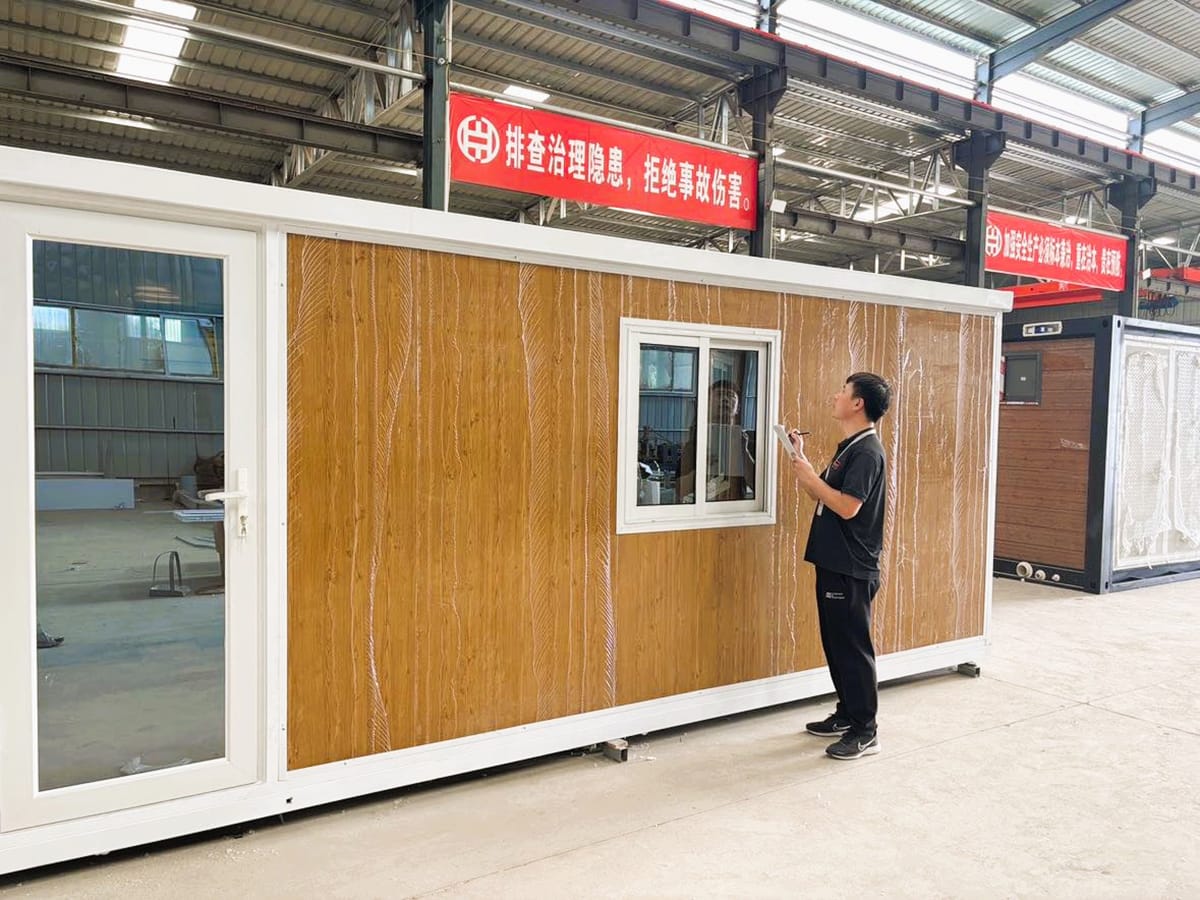
As modular construction continues to expand globally, more developers, contractors, and buyers are sourcing modular units, prefab structures, and container-based buildings from Asia. According to V-Trust Inspection Service Group, quality control plays a critical role in making these projects successful because modular and container houses are not simple commodity products. They combine steel structure, insulation, waterproofing, electrical systems, plumbing, interior finishing, packaging, and logistics.
A failure in any one of these areas can create serious cost, safety, or installation problems after delivery. V-Trust, one of the largest third-party quality inspection companies serving international buyers sourcing from Asia, helps buyers verify supplier capability, monitor production quality, inspect finished units, and reduce shipment and installation risks.
Why Quality Control Matters
V-Trust emphasizes that modular houses are high-value, multi-system products. Unlike small consumer goods, defects in modular units often become expensive to repair after shipment. If the steel structure is not level, welding is weak, insulation is poorly installed, water sealing fails, or electrical and plumbing work is not properly checked, buyers may face installation delays, safety concerns, customer complaints, or regulatory issues.
For that reason, V-Trust inspections focus not only on appearance, but also on structural safety, weatherproofing, insulation, functionality, and documentation.
Common quality issues usually fall into several major categories. Structural and dimensional problems may include substandard steel, welding defects, deformation, inaccurate cutting, or dimensional deviation. Weatherproofing and sealing problems often involve water leakage around windows, doors, roof seams, and joints. Insulation issues may include gaps, damp insulation, uneven polyurethane foaming, poor fixing, or insufficient fire-resistance consideration.
V-Trust also often finds MEP-related issues, including loose wiring, insufficient wire cross-section, poor grounding, pipe leakage, poor drainage, or reversed hot and cold water connections. Finishing and shipment issues can include damaged surfaces, incomplete cleaning, missing documentation, or damage during loading.
Start with Supplier Verification
Before placing an order, buyers should verify whether a factory truly has the capability to produce the required type of modular unit. A supplier audit should check factory existence, business documentation, production capacity, equipment, technical capability, quality-control procedures, key personnel, subcontracting arrangements, and social compliance where required.
For more complex projects, V-Trust recommends an in-depth factory audit that reviews production capacity, facility conditions, quality-management systems, and compliance practices in greater detail.
This step is especially important because modular-house projects often depend on more than one capability. A supplier may have experience with basic prefab products but may not have the systems, equipment, technical staff, or quality-control process needed for more complex modular units, container-based buildings, or projects with destination-market compliance requirements.
Inspect Throughout Production
For simple products, a final pre-shipment inspection may be enough. For modular houses, V-Trust strongly recommends inspection across multiple stages because many defects become hidden after production is complete. Once walls, floors, or ceiling panels are installed, it becomes much harder to verify internal framing, insulation, conduits, junction boxes, and water-supply or drainage pipes.
A strong inspection plan starts with a supplier audit, followed by a sample check or prototype review, production monitoring, during-production inspection, pre-shipment inspection, and container loading supervision. This staged approach helps identify problems early, before they become costly rework or shipment disputes.
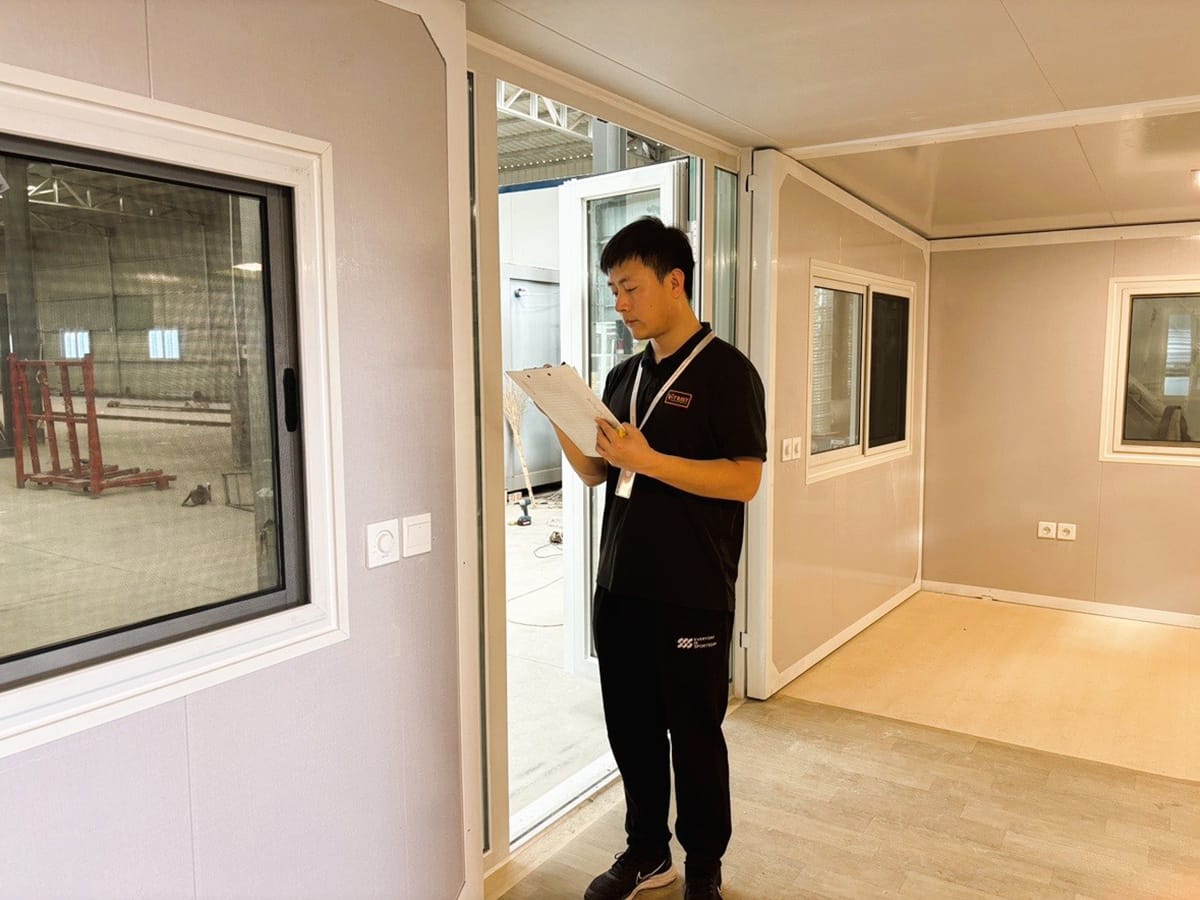
A professional prefab house inspection checklist should be customized according to the buyer’s drawings, specifications, destination-market requirements, and intended use. Typical checkpoints include steel structure, welding quality, dimensions, leveling, flooring, wall panels, roof panels, insulation, waterproofing, doors and windows, interior finishing, electrical systems, plumbing systems, sanitary ware, lighting fixtures, air-conditioning installation, hardware, labeling, packaging, and loading condition.
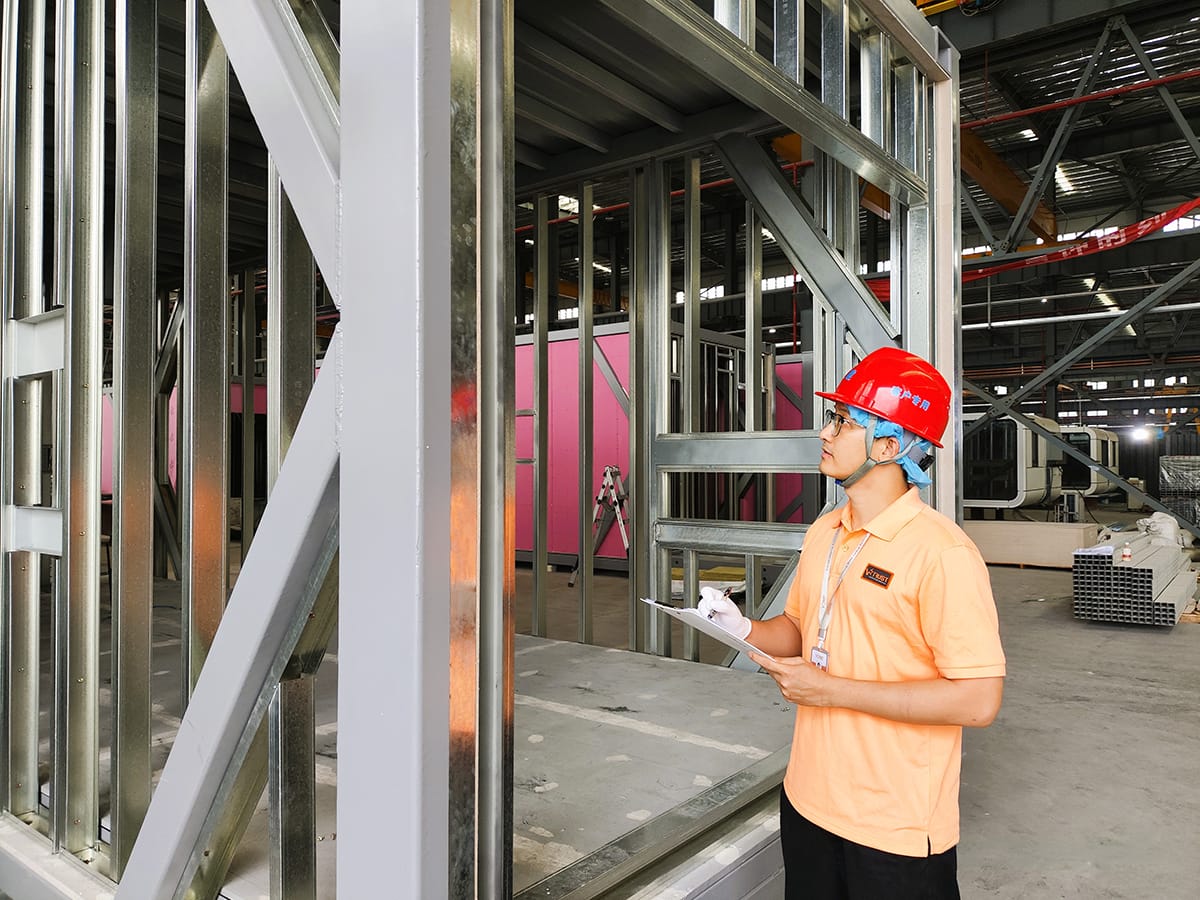
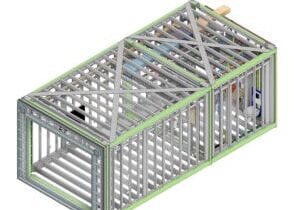
For container houses, V-Trust also pays close attention to container body leveling, floor and wall insulation, wall and ceiling keel installation, conduit and junction-box embedding, water-supply and drainage pipe installation, breathable membrane, self-leveling flooring, waterproofing, tile installation, SPC flooring, cabinets, and final comprehensive inspection.
Structural Quality and Site Assembly
Structural quality receives special attention. V-Trust inspectors start with approved drawings and technical specifications. During production, they check steel material, frame assembly, welding workmanship, dimensions, squareness, leveling, surface treatment, and anti-corrosion protection. They also look for deformation, misalignment, weak joints, and visible welding defects.
For container-based structures, even small dimensional deviations can create major problems during site assembly. When multiple units need to be stacked, joined, or connected, dimensional consistency becomes critical. That is why V-Trust considers production monitoring and during-production inspection especially valuable.
This stage matters because problems that appear minor inside the factory can become major on the jobsite. Misalignment, weak joints, inaccurate dimensions, or inconsistent leveling can delay installation, increase labor costs, or create safety and performance concerns after delivery
Better Communication and Risk Control
V-Trust sees several common mistakes among buyers sourcing modular houses from overseas suppliers. The first is relying only on photos or videos from the supplier. Photos can show progress, but they cannot replace independent verification. The second is waiting until the goods are finished before arranging inspection. By then, many hidden defects are difficult or expensive to correct. The third is failing to give the supplier a clear specification, approved drawing, inspection standard, and defect classification before production starts.
Another common mistake is focusing only on price. With modular houses, a low price may mean weaker materials, poor workmanship, insufficient insulation, inadequate sealing, or incomplete testing. V-Trust advises buyers to treat quality control as part of the project cost, not as an optional extra.
Third-party inspection also improves communication between buyers and suppliers. A professional inspection report creates a common factual basis for both sides. Instead of relying on general statements such as “quality is good” or “production is almost finished,” the buyer receives photos, measurements, checkpoints, defect descriptions, and a clear inspection result. This helps the buyer make informed decisions, including whether to accept, reject, rework, reinspect, or adjust shipment plans. It also helps suppliers understand the buyer’s quality expectations more clearly.
V-Trust brings 20 years of experience in product inspection, supplier evaluation, laboratory testing, and container loading supervision across Asia. For modular houses, the company provides supplier audits, sample checks, production monitoring, during-production inspection, pre-shipment inspection, laboratory testing coordination, and container loading supervision.
The company says its value is not only in finding defects, but in helping buyers identify and control risk before shipment. Once a modular unit arrives at the project site, many problems become much more expensive to solve. Early inspection gives buyers better visibility, better control, and better confidence.
For first-time buyers, V-Trust offers five practical recommendations.
- First, define technical specifications clearly before production starts.
- Second, audit the supplier before placing a large order.
- Third, inspect early production, not only finished goods.
- Fourth, use a customized checklist covering structure, waterproofing, insulation, MEP, finishing, labeling, packaging, and loading.
- Fifth, align inspection, testing, and destination-market requirements before shipment.
In modular construction, prevention is far cheaper than correction. A good inspection plan protects the buyer, supports the supplier, and helps the final project succeed. V-Trust also notes that modular construction has strong potential because it can improve efficiency, reduce site work, and support faster project delivery. But those benefits depend on consistent manufacturing quality. Third-party inspection helps buyers build confidence, reduce risk, and make sure units delivered from the factory are ready for real-world use.
More from Modular Advantage

Mind the Gap: The Interface Between Onsite and Offsite Construction
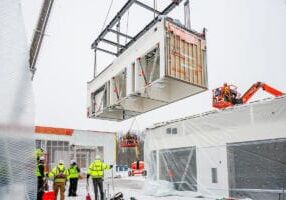
Every design for manufacture and assembly (DfMA) project — modular, mass timber, or panelized — is really two projects joined at a seam. One is built in a controlled factory to millimeter tolerances; the other in the field, in weather, to the looser tolerances of poured concrete and human hands. Between them sits an interface: where the factory’s precision meets the site’s reality.
Rules, Rails & Repeatability: Applying DfMA to Modular Healthcare
DfMA offers several advantages for healthcare projects, with faster delivery among the most valuable. Schedule matters when building new facilities, expanding campuses, renovating existing space or bringing care closer to communities that need it.
Precision and Possibility: Demands of DfMA and What Modular Mass Timber Makes Possible
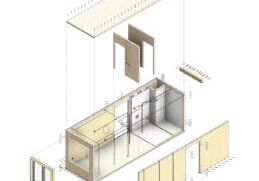
Mass timber does not automatically create an efficient modular building. Its precision makes early coordination more important: fabricated components will accurately reproduce both the team’s solutions and its mistakes. The material’s advantages are realized only when supported by an equally precise design and delivery process.
Catch It in the Factory, Not in the Field: Smarter Testing for Modular Builds
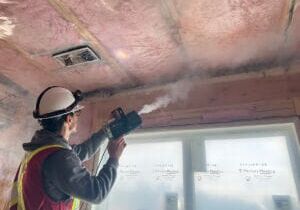
Integrating watertightness and airtightness testing into factory workflows transforms quality assurance from a reactive process into a proactive commissioning strategy. It ensures that every module shipped is field ready and resilient for transportation while also supporting the ability of the modular construction industry to make buildings better.
Modular Construction Contracts: Key Considerations for Successful Canadian Projects
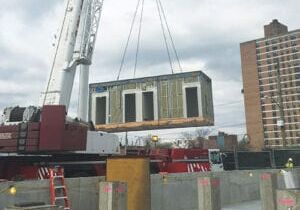
Starting a modular project with a well-developed contract protects both the owner and the contractor. It will help keep the project on track and on budget, and it will improve quality from the factory floor to final installation on-site.
Modular by Design: Turning Architecture into a Manufacturing System
Modular construction is often presented as a faster way to build. Speed, however, is only one part of its value. The larger opportunity is to create a coordinated design and production system that improves quality, reduces uncertainty, and allows a building to move efficiently from concept design through manufacturing, transportation, installation, and completion.

Repeatability Begins with Trust: What Alora at Dry Creek Reveals About Scaling Modular Housing
Alora at Dry Creek, a 329-unit, multifamily community comprising five four-story buildings in Centennial, Colorado, demonstrates how repeatable design, standardized manufacturing and early collaboration can work together to create a model that is not only faster to deliver, but easier to replicate across future projects.

T.R. Arnold: The Art of Third-Party Inspections
T.R. Arnold (TRA), a third-party inspection company in Elkhart, Indiana, contracts with modular manufacturers across the US. Manufacturers register with each state to which they intend to send their modules and may be required to hire a third-party inspection company.

Creating an ‘Ecosystem for Innovation:’ 50+ Years of Modular Construction Oversight in Virginia
Virginia’s modular building program began in 1973, with the implementation of the Virginia Industrialized Building Unit and Mobile Home Safety Regulations. Now it’s leading the country in modular code adoption.
Understanding Thermal Barriers Compliance Methods & Emerging NFPA-275 Foam Plastic Technologies
New fire barrier technologies are improving total costs and margins in major areas of construction, such as commercial, government, union and prevailing wage projects. These benefits translate into other large fringe areas, such as agriculture, commercial cold storage facilities, grow houses, outbuildings, military and aviation hangars.