Cambridge Fire Department Training Facility
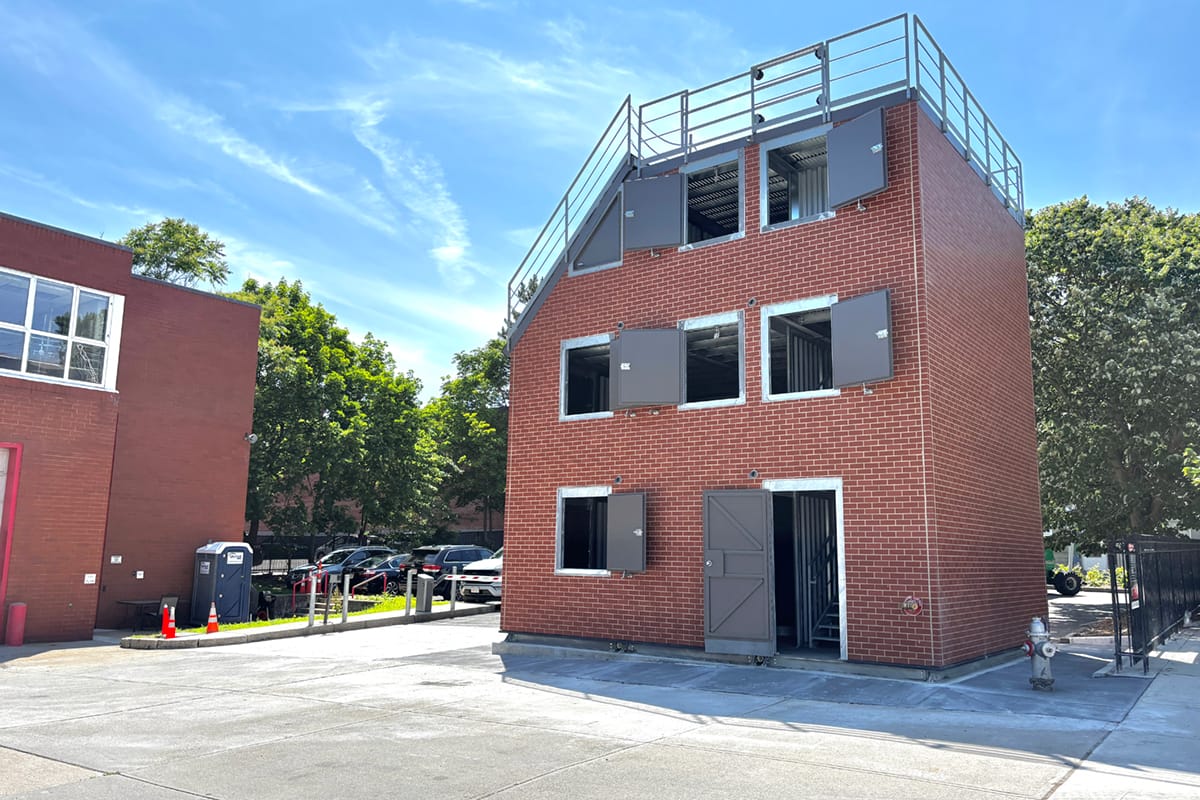

Location: Cambridge, MA
Square Feet: 960
Modular Units: 8
Factory Partner: WHP Trainingtowers
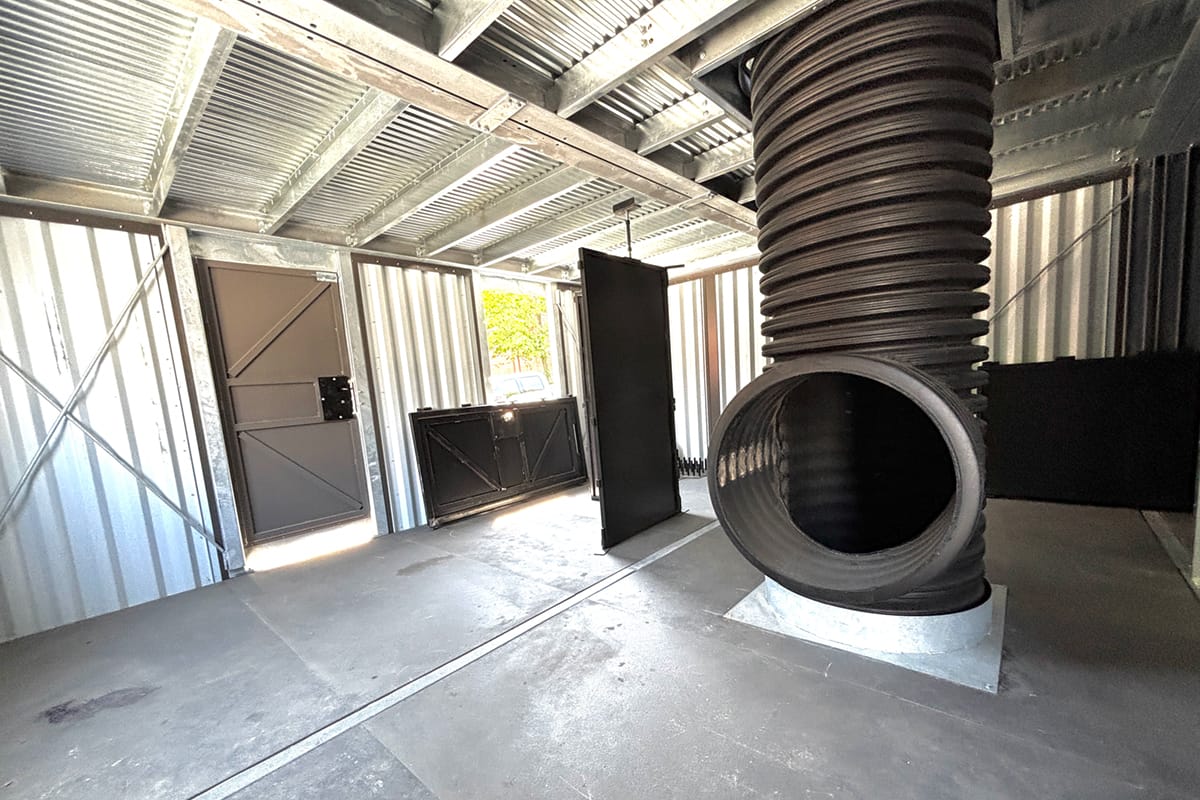
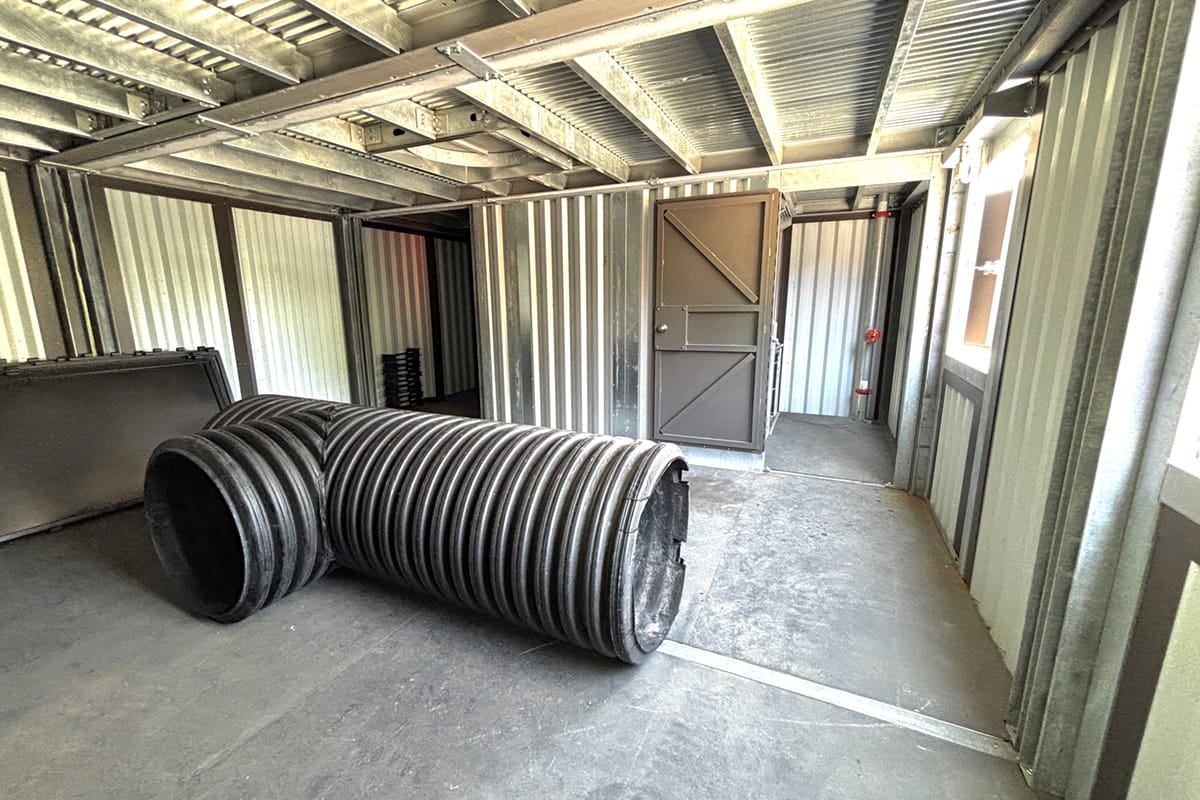
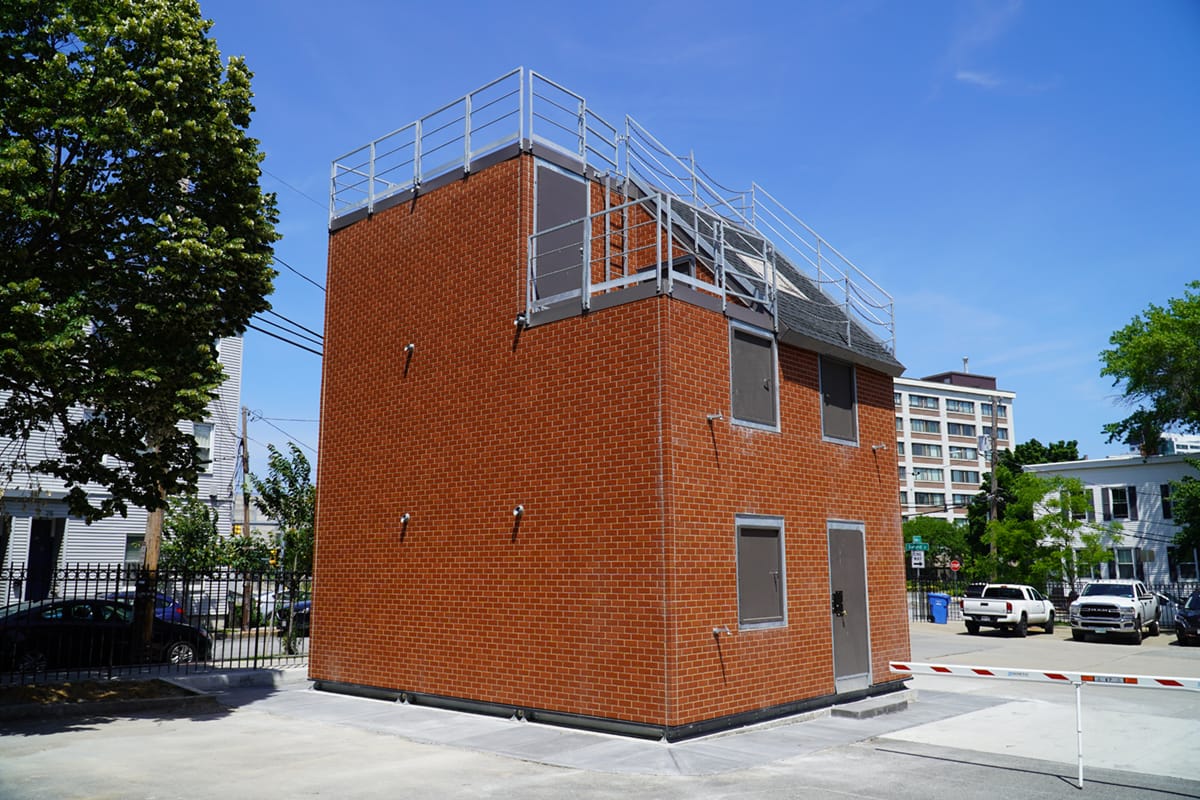
The City of Cambridge Fire Department, in partnership with WHP Trainingtowers and Triumph Modular, completed the construction of the custom Modx Modular fire training facility adjacent to Fire Station Engine #3. This three-story, 960-square-foot auxiliary building, fabricated from galvanized steel, was designed for realistic fire simulations, with replaceable components to withstand heavy use. To match the aesthetics of the existing firehouse, the structure was finished with brick veneer siding.
A key feature of the new facility is the open floor plan. This non-static layout eliminates the need for interior walls and allows the fire department to reconfigure the space for a variety of training exercises, maximizing flexibility and realism. Additionally, the building is equipped with repel lines, enabling trainees to practice repelling up or down the structure during drills.
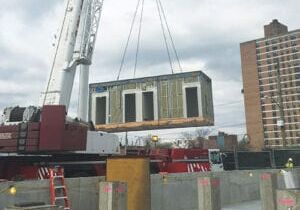
The urban site presented significant challenges, including limited space, low-hanging wires, and an active fire station nearby. Triumph Modular overcame these obstacles by carefully planning four phased deliveries after 8 AM and using a tele-handler instead of a crane to position the modules. The concrete slab foundation was engineered to support the dynamic loads of fire training exercises, ensuring long-term durability.
Assembly required precision and attention to detail, as this was Triumph Modular’s first project of this kind. On-site installations included stairs, roof members, and water pipes for firefighting simulations. The Cambridge Fire Department worked closely with the team throughout inspections and design approvals to ensure the facility met their needs.
Despite the challenges, the project met the client's expectations. The new facility provides firefighters with a durable and realistic training environment while showcasing how modular construction can deliver innovative solutions in urban settings.
More from Modular Advantage
MBI Town Halls 2026: Reflections from Boston
By the end of 2026 MBI’s Government Affairs team will have traveled over 6,000 air miles to bring Town Hall events to five different cities in two countries.
Mind the Gap: The Interface Between Onsite and Offsite Construction
Every design for manufacture and assembly (DfMA) project — modular, mass timber, or panelized — is really two projects joined at a seam. One is built in a controlled factory to millimeter tolerances; the other in the field, in weather, to the looser tolerances of poured concrete and human hands. Between them sits an interface: where the factory’s precision meets the site’s reality.
Rules, Rails & Repeatability: Applying DfMA to Modular Healthcare
DfMA offers several advantages for healthcare projects, with faster delivery among the most valuable. Schedule matters when building new facilities, expanding campuses, renovating existing space or bringing care closer to communities that need it.
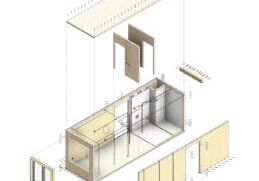
Precision and Possibility: Demands of DfMA and What Modular Mass Timber Makes Possible
Mass timber does not automatically create an efficient modular building. Its precision makes early coordination more important: fabricated components will accurately reproduce both the team’s solutions and its mistakes. The material’s advantages are realized only when supported by an equally precise design and delivery process.
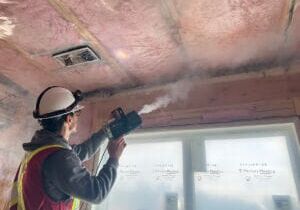
Catch It in the Factory, Not in the Field: Smarter Testing for Modular Builds
Integrating watertightness and airtightness testing into factory workflows transforms quality assurance from a reactive process into a proactive commissioning strategy. It ensures that every module shipped is field ready and resilient for transportation while also supporting the ability of the modular construction industry to make buildings better.
Modular Construction Contracts: Key Considerations for Successful Canadian Projects
Starting a modular project with a well-developed contract protects both the owner and the contractor. It will help keep the project on track and on budget, and it will improve quality from the factory floor to final installation on-site.
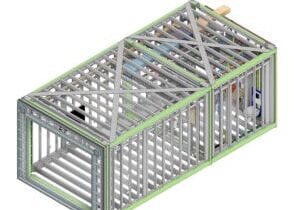
Modular by Design: Turning Architecture into a Manufacturing System
Modular construction is often presented as a faster way to build. Speed, however, is only one part of its value. The larger opportunity is to create a coordinated design and production system that improves quality, reduces uncertainty, and allows a building to move efficiently from concept design through manufacturing, transportation, installation, and completion.
Repeatability Begins with Trust: What Alora at Dry Creek Reveals About Scaling Modular Housing
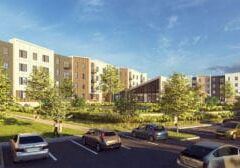
Alora at Dry Creek, a 329-unit, multifamily community comprising five four-story buildings in Centennial, Colorado, demonstrates how repeatable design, standardized manufacturing and early collaboration can work together to create a model that is not only faster to deliver, but easier to replicate across future projects.

T.R. Arnold: The Art of Third-Party Inspections
T.R. Arnold (TRA), a third-party inspection company in Elkhart, Indiana, contracts with modular manufacturers across the US. Manufacturers register with each state to which they intend to send their modules and may be required to hire a third-party inspection company.
Creating an ‘Ecosystem for Innovation:’ 50+ Years of Modular Construction Oversight in Virginia
Virginia’s modular building program began in 1973, with the implementation of the Virginia Industrialized Building Unit and Mobile Home Safety Regulations. Now it’s leading the country in modular code adoption.