World of Modular Agenda
Four Days of Modular Industry Networking, Education & Exhibits
World of Modular provides a place for professionals from around the world who are involved in the modular and offsite construction industries a place to network, exchange ideas, learn from experts, discuss challenges, display new products, and receive well-deserved recognition.
Don't miss this once-a-year opportunity to meet, mingle, and learn from the modular construction industry's best and brightest. See the full agenda below for a complete overview of the event.
And new in 2026: Strengthen your organization’s leadership pipeline with the new high-impact workshop for emerging leaders. Learn more.


10:00 AM-7:00 PM - Registration Desk Open
10:00 AM-5:00 PM - Exhibit Hall Setup
11:30 AM - Golf Tournament Check-In
12:30 PM - Golf Tournament Shotgun Start
3:00-5:00 PM - Maximizing Your WOM Experience
5:00-7:00 PM - Opening Party
Breakout Session Descriptions
Advancing Modular & Offsite Construction: Bridging Industry, Innovation & Education
Dr. Arezou Sadoughi, Assistant Professor, Appalachian State University
Dr. Maryam Kouhirostami, Assistant Professor, California Polytechnic State University-San Luis Obispo
Randall Thompson, Preconstruction Executive, NibbiPrefab
Sara.Ann Logan, AIA, RIBA, NOMA, IIDA, Chief Design Officer | Principal Architect, Volumetric Building Companies
Dr. Mohamed Al-Hussein, Ph.D., P.Eng., NAC, FASCE, FCSCE, Professor and Senior Engineering Research Chair, University of Alberta
The construction industry stands at a tipping point. Join this dynamic panel session to explore modular and offsite construction as a manufacturing-driven process, emphasizing material choices, supply chain efficiency, digital tools, and workforce readiness.
Attendees will leave equipped with practical insights on:
- How early collaboration, rigorous testing, advanced simulation, digital modeling, and value engineering supercharge efficiency, productivity, and quality throughout the entire supply chain.
- Cutting-edge automation approaches, seamless software interoperability, factory management systems, and emerging tools redefining modular project delivery.
- The workforce evolution underway: essential skills required for factory and general contractor teams, critical differences between offsite and onsite project management, and implementation pathways—internships, training programs, curriculum alignment, and industry-academic partnerships—to fuel applied innovation and close talent gaps.
Join industry leaders, innovators, and educators to help shape the future of faster, smarter, more sustainable building.
Session track: Research & Innovation
AI in Hybrid Modular Construction: Feasibility, Design, & Global Logistics for Mid- to High-Rise Buildings
Stuart Marshall, Director Global Sales, Stack Modular
Mid- to high-rise modular buildings are gaining traction for their efficiency, sustainability, and speed, particularly in hybrid systems combining steel frame modules with traditional elements for enhanced structural performance.
Join this session to explore how artificial intelligence (AI) is transforming these processes, enabling faster, more accurate feasibility, design, costing, and building of scalable modular projects. Attendees will discover practical insights into:
- Using AI as an early-stage tool for feasibility studies and generative design.
- Strategies for designing and building resilient mid- to high-rise hybrid modular buildings.
- AI applications in precise costing, risk mitigation, and navigating global supply chain complexities.
Session track: Design, Build & Install
Automated Technologies for Modular Construction: From Lab Research to Commercial Reality
Mohamed Al-Hussein, Ph.D., P.Eng., NAC, FASCE, FCSCE, Professor and Senior Engineering Research Chair, University of Alberta
Dr. Ahmed Bouferguene, Professor, University of Alberta
Sena Assaf, PhD student, University of Alberta
Since the Industrial Revolution, efficiency has driven construction innovation toward industrialization and modular methods—delivering superior quality, tighter schedules, enhanced safety, and controlled environments.
Yet construction culture often lags, clinging to outdated tools and a “conventional construction under a roof” approach. True modular success demands advanced digitization and genuine technological innovations to shift from primitive practices to modern manufacturing.
Join this forward-looking session to explore:
- Digitization for streamlined process efficiency across design, factory production, and field installation.
- Technological leaps in automation and robotics that enable true offsite manufacturing.
- Prefabricated systems—including optimized wood framing, light-gauge steel, and innovative precast concrete panels—for residential and commercial applications.
Attendees will gain insights into bridging the lab-to-commercialization gap, overcoming cultural barriers, and unlocking modular's full potential for faster, safer, more sustainable building.
Session track: Research & Innovation
Beyond Robots: How a Culture of Belonging & Dignity Powers Modular Innovation
Merrick Macomber, Founder, Modular Maven
In the race to solve the affordable housing crisis, we've pinned our hopes on robots, artificial intelligence (AI), and automation. But the true game-changer isn't technology alone—it's the people who wield it with purpose, dignity, and a profound sense of belonging.
Drawing from a decade of hands-on experience shaping culture at Prefab Logic and building Autovol—one of the United States’ most advanced robotic modular factories—this session reveals a surprising truth: when cutting-edge automation meets a workplace culture rooted in restoration and empowerment, workers aren't replaced—they thrive.
Hear the inspiring story of how Idaho's "Solutioneers" use robotics not to eliminate jobs, but to reclaim lives—reducing physical strain, unlocking creativity, and delivering high-quality housing faster. Attendees will discover how this same spirit of connection and value transcended borders, fostering thriving teams in the United States and India.
Ultimately, the future of modular construction—and affordable housing—depends not just on innovative machines, but on innovators who feel deeply valued and connected to a greater mission no matter where in the world they work.
This isn't just about building homes. It's about building belonging, restoring dignity in work, and igniting human potential in the unlikeliest places.
Session track: Managing Your Business
BIM Promised a Revolution: It Delivered PDFs & Broken Schedules
Kris Droszcz, CEO, Rebel Intl. LLC
John Morefield, President, Rebel DFMA USA
Building Information Modeling (BIM) promised a revolution in modular construction. What it often delivered was static PDFs, manual quantity takeoffs, and broken schedules.
Now imagine asking your building model a question — like you’d ask ChatGPT — and getting clear answers anyone in the factory can use.
Join this session to learn how conversational AI and a data identity layer finally make BIM work for every role — not just designers.
Attendees will gain practical insights on:
- Why BIM fell short — and the data layer that fixes it for modular construction
- Using conversational AI to unlock your BIM model for the whole factory
- Generating instant, complete Bills of Materials (BOMs) including consumables and finishes
- Applying spec books and finish packages with zero Requests for Information (RFIs)
Session track: Design, Build & Install
Bridging the Gap: A Candid Manufacturer & General Contractor Dialogue
Sabrina Fiorellino, CEO, Fero International
Alex Scopacasa, COO, Fero International
Laurie Robert, Strategic Sales & BD Specialist, Fero International
John Buongiorno, Vice President, Modular Division, Axis Construction Corp.
Join senior leaders from modular manufacturing and general contracting for an unfiltered, interactive session about the friction points of offsite delivery.
This candid discussion will explore real-world challenges that impact the collective ability to deliver quality modular solutions profitably, including:
- Contractual risk & liability—clearly delineating where manufacturer responsibility ends and GC exposure begins.
- Bonding bottlenecks—navigating surety challenges when traditional construction triggers do not align with factory milestones.
- Global & local pressures—managing the ripple effects of tariffs and trade policies on both raw material procurement and site-side logistics.
- Cash flow chasm—reconciling front-loaded factory payments with standard construction draw schedules.
- Operational synchronization—strategies for managing the unique financial, scheduling, and delivery demands of factory-to-field project workflows.
Attendees on both sides of the contract will gain practical insights and strategies to realign incentives, reduce friction, and accelerate successful project delivery.
Session track: Managing Your Business
Building a Competitive Culture: Systems for Retention, Engagement, & Accountability in Modular Construction
HR Huntsman, President, Leader’s Edge
Amid persistent labor shortages in construction, employee retention isn't just Human Resources—it's a direct driver of revenue, productivity, and project success. Strong culture goes beyond buzzwords: it's built through deliberate systems of rhythms, clear expectations, and balanced accountability.
Join this practical session to learn how to implement a weekly leadership cadence—including 1:1s, team huddles, and after-action reviews (AARs/post-mortems)—to boost engagement, performance, and loyalty without adding bureaucracy.
Attendees will discover two straightforward frameworks for effective coaching and actionable tools to transform culture into a true competitive advantage:
- MAP (Mastery, Autonomy, Purpose): Align roles with intrinsic motivators to foster fulfillment.
- 3Ds (Demand, Deliverables, Development): Set high standards, define clear outcomes, and invest in growth—enabling accountability without micromanagement.
Session track: Managing Your Business
Building Product Platforms to Scale Offsite Manufacturing
Jim Gabriel, CEO, MODLOGIQ
Chris Mortensen, Chief Innovation Officer, MODLOGIQ
Offsite manufacturers grapple with a core dilemma—achieving full custom capability, which brings restarts every project, eroding speed and margins, or rigid standardization, which can mean turning down projects. Most end up stuck in the middle—chasing flexibility that quietly undermines efficiency.
Join this session for a practical, battle-tested framework for developing product platforms in offsite manufacturing. These platforms don't eliminate custom work; instead, they strategically capture repetition-driven gains where it matters most, while intelligently preserving flexibility for market-differentiated needs. Attendees will learn:
- What a product platform is and how product families, configuration rules, and certification boundaries create a structured offering for offsite manufacturers.
- What separates “configurable” from “custom” and why the distinction matters for profitability and speed.
- How digital tools enable manufacturers, developers, and other project stakeholders to move through preconstruction faster while staying within validated product boundaries.
Seasoned industry veterans will share lessons learned from their own transition from a business built on custom commercial work towards a blended model. Expect transparent discussion of successes, challenges, and what stakeholders must change to make product-led offsite construction truly viable. This isn’t a glossy case study—it is practical guidance drawn from active implementation.
Session track: Design, Build & Install
Building Smarter, Faster, Together: The End-to-End Modular Advantage
Diego Rivera, CEO, MID-RISE Modular
This session presents modular construction as a fully integrated delivery platform that aligns developers, architects, contractors, and fabricators through flexible, stakeholder-specific partnership models for predictable outcomes.
This case-based session will demonstrate how early modular integration delivers schedule compression, cost certainty, and lower risk—improving feasibility and returns.
Attendees will learn how a seamless end-to-end process—from design through factory production to site installation—eliminates breakdowns and streamlines delivery, while gaining tailored strategies that enable developers to access true turnkey solutions, architects to preserve design intent, contractors to gain clear scope and risk clarity, and fabricators to scale via white-label manufacturing.
Session track: Design, Build & Install
Circularity within Modular Construction: Standardization, Disassembly, Reuse & Reconfiguration
Menno Hilberts, IC Subject Matter Expert, ADL Ventures
Chris Rausch, Assistant Professor, University of Texas at Austin
Circular principles have the potential to reshape modular construction, shifting from linear “build-use-dispose” models to reconfigurable systems built on standardization, disassembly, adaptability, and extended lifecycles. Initiatives like the Modular Mobilization Coalition demonstrate how short-term deployment needs can become long-term, reconfigurable assets.
Join this session to examine past and future applications of standard designs, design for disassembly (DfD), material reuse, and BIM-enabled lifecycle tracking. It will also identify potential non-negotiables for enabling reuse at scale: e.g., bolted connections, transferable certification systems, strategic overdesign for reconfiguration, and digital configurators that anticipate second- and third-life use.
Attendees will leave with practical strategies to operationalize circular modular construction and scale reconfiguration practices across sectors.
Session track: Development Opportunities & Sustainable Practices
Codes & Standards for Modular Construction: North American & International Perspectives
Ryan Colker, Executive Director, Energy, Resilience & Innovation, International Code Council
Khaled Habib, Principal Technical Lead, CSA Group
Andy Kwong, Product Manager, CSA Group
Sarah Chung, Project Manager, CSA Group
Codes and standards play a pivotal role in expanding off-site and modular construction by delivering consistency, efficiency, and streamlined approvals across design, manufacturing, and installation.
Join this session to explore existing and emerging codes and standards, their applications and benefits, and how the off-site construction industry can facilitate their development and implementation. Attendees will gain a practical understanding of the International Code Council (ICC)/MBI suite of standards, CSA standards and standards being developed via the International Organization for Standardization (ISO), along with perspective on Canada’s regulatory landscape. Topics of focus include:
- Structure and application of provisions for modular projects within the Canadian National Building Code and the International Codes
- Existing and emerging CSA, ICC and ISO standards
- Initiatives to educate Authorities Having Jurisdiction (AHJs), inspectors, and stakeholders on efficient review, inspection, and approval processes
Session track: Government & Regulatory Affairs
Economic Decision Tool for Automation Investments in Modular Factories: Breakeven & Sensitivity Analysis
Dr. Jin Ouk Choi, Associate Professor, University of Nevada, Las Vegas
Kiran Moktan, PhD Student, University of Nevada, Las Vegas
Modular construction factories face significant hurdles when considering automation investments, often due to inadequate financial tools for evaluating returns amid fluctuating costs like labor, tariffs, robotics, and logistics. This session presents a proof-of-concept economic decision-making model designed to bridge this gap, enabling informed investment choices through scenario simulation and sensitivity analysis.
Discover how the model predicts breakeven years and optimal production rates by varying key factors—such as robot costs, labor rates, taxes, tariffs, and supply chain expenses. Real-world applications demonstrate how different automation levels impact return on investment (ROI), helping justify investments with data-driven insights.
Attendees will learn to:
- Identify critical financial barriers and drivers for automation in modular construction.
- Apply the tool for comparative economic analysis across diverse automation scenarios.
- Leverage sensitivity analysis to evaluate impacts and build robust justifications for automation decisions.
Session track: Research & Innovation
Emerging Leaders Program
HR Huntsman, President, Leader’s Edge
We are investing in our industry’s greatest asset: its people. This high-impact workshop equips the next generation of industry professionals with the mindset, skills, and confidence to step into leadership earlier in their careers. It is designed for high-potential staff—project managers, superintendents, engineers, estimators, coordinators, and more—who are ready to take on greater responsibility and eager to bridge the gap between individual contribution and organizational impact.
This workshop provides a unique forum for emerging talent to align with peers and prepare for career growth within their organizations. Attendees will walk away with practical frameworks and proven tools that can be applied immediately on the job.
Program highlights include:
- The critical shift from a "doer" mindset to a leadership role
- Navigating the subtle shift from managing tasks to leading people and driving innovation
- Unlocking influence and credibility
- The power of leading through inquiry
- Developing a personal leadership statement and a 30-60-90-day action plan
- Learning from seasoned leaders about the skills and mindsets required to advance within the modular construction industry
Learn more about how to participate or nominate a staff member to attend: Emerging Leaders Program
Escaping the Funding Bottleneck: New Capital Models to De-Risk Modular Housing Finance
Apoorva Pasricha, COO, Cloud Apartments
Jan Lindenthal, Chief Investment Officer, San Francisco Housing Accelerator Fund
Financing and underwriting remain among the most persistent barriers to modular housing development. Oversubscribed public funding, slow award cycles, and rigid underwriting often erase the time and cost advantages modular is meant to deliver.
Join this case-based session to explore how new public-private capital models can help developers spend less time chasing funds and more time building homes.
Anchored in a 174-unit modular multifamily case study in San Jose, attendees will explore developer and lender perspectives on draw structures, factory payment schedules, underwriting and risk allocation, and how bridge and predevelopment financing can compress timelines, reduce carrying costs, and align financing with modular execution.
Attendees will gain actionable insights and proven strategies to structure deals that work for capital partners.
Session track: Development Opportunities & Sustainable Practices
From Foundation to Roof in a Week: Mastering Multistory Modular Installation
Scott Bridger, Co-Founder, Principal, ProSet, LLC
The multifamily construction industry in the United States is embracing offsite modular methods to combat persistent labor shortages, rising costs, and project delays. Leading manufacturers are leveraging automation, technology, and innovative design to deliver high-quality commercial modular buildings faster than ever.
But successful multistory modular projects hinge on flawless onsite installation. What key factors ensure everything goes right—and how do you avoid costly pitfalls?
Join this session for an insider's guide to the complete installation process. From initial site assessments before construction begins to precisely setting the final module with cranes, attendees will learn strategies that make installation—though a small portion of the overall timeline—the critical cornerstone of project success.
Session track: Design, Build & Install
Hiring is Hard. Making it Harder is Optional: Practical Recruiting Fixes for Growing Modular Companies
John Kowalczyk, Founder, Risus Talent Partners
Keith Jeremiah, Founder, Risus Talent Partners
Jordanne Ringwald, Founder, Risus Talent Partners
As modular construction demand continues to grow, many companies are finding that their biggest constraint isn’t backlog, capital, or demand - it’s people. From the branch floor to senior leadership, recruiting and hiring breakdowns are quietly slowing growth, increasing costs, and putting pressure on operational performance across the modular industry.
Led by seasoned HR leaders and recruiters with deep experience in modular and offsite environments, this session cuts through the noise with a data-informed, no-fluff analysis of today’s hiring landscape across the United States and a deep-dive into the five most common (and avoidable) recruiting pitfalls that can quietly sabotage modular growth.
Attendees will learn practical, immediately actionable ways to improve recruiting and hiring outcomes without lowering the bar. If you’re responsible for scaling teams, improving operations, or hitting aggressive growth targets, this session is for you.
Session track: Managing Your Business
Ice Cubes, Not Snowflakes: Scaling Affordable Housing Through a Unified Modular Team
Ryan Cassidy, Vice President of Real Estate, Mutual Housing California
Nick Gomez, Principal, AO / Architects Orange
Lad Dawson, Founder, Guerdon, LLC
Collin Nichols, Director of Preconstruction, Brown Construction, Inc.
True modular housing success demands deep alignment from day one. A unified team—owner/developer, architect, manufacturer, builder/general contractor, and key consultants—must collaborate closely with clear roles and shared goals.
Join this case-based panel session to explore how an integrated team is delivering a five-project Zero Net Energy affordable housing pipeline across Northern California. Expert panelists will unpack what’s working in practice and how shared goals, early coordination, and repeatable design strategies are enabling more predictable, scalable, and efficient outcomes.
Attendees will walk away with concrete insights into how long-term modular partnerships can elevate quality, drive scalability, and deliver lasting value for residents and communities alike.
Session track: Design, Build & Install
From MiC to Systemic Disruption: Innovative Business Models Driving Offsite Construction Innovation
Joachim Zwicky, PhD candidate, University of Aveiro & Senior Entrepreneur in Construction Technology
Despite a decade of promises—higher productivity, superior quality, and sustainability—Modular Integrated Construction (MiC) and offsite methods have only partially transformed the industry. The true disruption lies not in technology alone, but in innovative business models built around elementized, systemic offsite approaches.
This session—drawn from rigorous academic research and real-world start-up insights—explores how integrating MiC with element-based design, circular principles, Industry 4.0 production, and Building Information Modeling (BIM)-enabled workflows unlocks new value propositions, revenue streams, and partnership structures.
Attendees—whether leaders, innovators, decision-makers, or technical managers—will gain insights to enable ecosystem-driven and cost-efficient solutions and a strategic perspective on scaling systemic innovation in construction.
Session track: Research & Innovation
Mastering Modular Weatherization: Keeping Water Out for Good
CJ Myrick, Principal, ModCM
Dean Dalvit, Principal, Architect, and PE, EVstudio, LLC
Randall Thompson, Preconstruction Executive, NibbiPrefab
Brian Caruso, Director of Modular Building, AMJ Construction Management
Kyle Stavish, National Business Development Manager, MuleHide
A rising tide lifts all ships, but a small leak can sink even the best modular project. Water intrusion—whether from rain during transport/storage/set, module joints, roofs, or site conditions—remains one of the industry's most persistent risks, driving up costs, delays, claims, and reputational damage for manufacturers, general contractors, design professionals, developers, and owners alike.
Join this lively, solutions-focused panel session where seasoned experts share battle-tested strategies that minimize water risks from factory exit through occupancy. Attendees will gain practical insights to build confidence, reduce risk, and accelerate modular growth.
Session track: Design, Build & Install
Making Modular Work: Navigating Capital, Contracts, UCC, Insurance & Collaboration
Alon Lagstein, Attorney, Carlton Fields
Offsite and modular construction methods promise faster delivery, cost savings, and higher quality—but they can also introduce unique financing challenges that often deter traditional lenders. Join this session for an overview of the legal, financial, and practical hurdles in funding projects involving volumetric modular or other prefabricated components, along with strategies to help mitigate risks and enable successful deals.
Attendees will gain actionable insights to help bridge the financing gap, reduce lender hesitation, and unlock the full potential of modular construction across key topics including:
- How lenders can meaningfully mitigate risk by structuring loan advances, using collateral assignments of construction and manufacturing contracts, and establishing appropriate controls for staging areas and laydown yards.
- The critical interplay between the Uniform Commercial Code (UCC) and common law in governing contracts and collateral—particularly as modules transition from personal property (goods) in the factory to fixtures in the real property upon installation.
- Documentation options available for various deal sizes and team structure, including where the borrower, general contractor, and manufacturer may be vertically integrated.
- Insurance strategies to create comprehensive "wrap" coverage spanning manufacturing, transportation, delivery, and on-site assembly, while avoiding gaps or overlaps.
- Practical, non-legal strategies—such as preapproving design and construction teams—that can help align all stakeholders and improve project outcomes.
Session track: Managing Your Business
MBI's Canadian PMC Industry Reporting
Tom Hardiman, CAE, Executive Director, Modular Building Institute
MBI gathers and distributes statistical information about the size and growth of the commercial modular building industry on an annual basis. This analysis has become the leading source of information on the industry and is used worldwide by investment firms, banks, academia, and the media.
MBI partnered with FMI Consulting to provide the best possible industry data and analysis in our annual reporting. Join this session to hear findings for the Canadian permanent modular construction (PMC) industry.
Session track: Research & Innovation
MBI Government Affairs Update: A Comprehensive View of The U.S. Policy Landscape for the Modular Industry
Alex Carmack, Government Affairs Director, Modular Building Institute
Andrew Muchnick, Government Affairs Manager, Modular Building Institute
The United States modular industry's policy landscape remains highly active. Join this session for an in-depth overview of the legislative and regulatory issues facing the modular industry, including:
- A review of major developments in 2025
- Opportunities and threats in 2026 across all levels of government
- Policy issues (e.g., prevailing wage for offsite fabrication, state adoption of modular for affordable housing, code and standards adoption, federal action on manufactured housing and the implications for our industry, and more)
Attendees will have ample opportunities for Q&A and discussion and discover how to get involved in MBI’s policy and advocacy efforts to protect and grow the industry.
Session track: Government & Regulatory Affairs
MBI's Relocatable Building Industry Reporting
Tom Hardiman, CAE, Executive Director, Modular Building Institute
MBI gathers and distributes statistical information about the size and growth of the commercial modular building industry on an annual basis. This analysis has become the leading source of information on the industry and is used worldwide by investment firms, banks, academia, and the media.
Join this session to hear findings for the North American relocatable building (RB) industry.
Session track: Research & Innovation
MBI's United States PMC Industry Reporting
Tom Hardiman, CAE, Executive Director, Modular Building Institute
MBI gathers and distributes statistical information about the size and growth of the commercial modular building industry on an annual basis. This analysis has become the leading source of information on the industry and is used worldwide by investment firms, banks, academia, and the media.
MBI partnered with FMI Consulting to provide the best possible industry data and analysis in our annual reporting. Join this session to hear findings for the United States permanent modular construction (PMC) industry, which includes more specific regional data based on the four geographic U.S. regions (Northeast, Midwest, South, and West) identified by the U.S. Census Bureau.
Session track: Research & Innovation
Modular Momentum in Canada: Navigating & Unlocking Opportunities
Megan Stanley, Senior Director, Proof Strategies
McCartney Lee, Associate Account Director, Proof Strategies
Canada's modular construction sector is experiencing unprecedented momentum, fueled by strong federal commitments—including Build Canada Homes' focus on factory-built and modular methods to rapidly deliver thousands of affordable units—and growing recognition as a key solution to the national housing shortage.
At the same time, urgent infrastructure needs in healthcare, education, and climate-resilient building present major opportunities for modular innovation.
Join this session, led by MBI’s in-country team, Proof Strategies to learn about opportunities and challenges for the industry across Canada, gain insights into MBI in-country activities, and discover how to get involved in MBI’s Canadian efforts.
Session track: Government & Regulatory Affairs
Modular with Soul: Infusing Personality & Warmth into Efficient Multifamily Housing
Callah Nelson, Interior Architectural Lead, DJR Architecture, Inc.
Owners turn to modular for speed, cost control, and affordability in multifamily housing—but too often, the drive for efficiency results in spaces that feel sterile, generic, or soulless.
Join this practical, case-based session to explore how deliberate, intentional design choices can deliver welcoming, character-rich environments that foster community and dignity, all while honoring modular constraints, tight schedules, and budgets.
Attendees will leave with practical strategies to make modular multifamily not just fast and affordable, but genuinely inspiring—proving that efficiency and soul can coexist beautifully.
Session track: Design, Build & Install
Mudding for Modular: Where Expertise Connects, Modular Innovation Accelerates
Tobias Schaefer, Global Head of Prefab, ARDEX
André Zander, Key Account Manager, KUKA Assembly & Test GmbH
Interior finishing remains one of the biggest bottlenecks in modular construction. While volumetric methods promise speed and repeatability, traditional drywall finishing processes often fail to translate into a controlled, factory-based environment.
Variability in materials, manual application limits, and the lack of automation-ready systems continue to constrain scalability. This session will focus on the practical realities of transforming mudding from a manual, variable task into a repeatable, scalable process.
Attendees will learn:
- Why mudding remains a key constraint in modular factory throughput and quality consistency
- How coordinated development between automation and material science can enable step-change improvements
- Lessons learned from recent pilot trials with modular manufacturers,
- The importance of phased innovation – starting with optimized manual processes before transitioning to full automation.
- How focused collaboration on high-impact bottlenecks can accelerate broader industrialization efforts.
Attendees will leave with actionable strategies to reduce finishing delays, improve quality outcomes, and accelerate industrialization through focused innovation.
Session track: Development Opportunities & Sustainable Practices
Navigating Modular Construction: A Practical Roadmap for Architects & Developers
Matt Slataper, President, Ramtech Building Systems, Inc.
Kelly Williams, Vice President of Business Development, Ramtech Building Systems, Inc.
Modular construction offers compelling advantages for commercial and multi-family developers—faster timelines, tighter cost control, reduced site disruption, and consistent quality through factory-controlled processes.
Join this session to explore the types of projects that work well for modular construction, project types better suited to traditional methods, the architect’s role in a modular project, how projects progress, and what drives project success.
This session—geared for developers and architects entering or expanding into modular—will help demystify the process and equip attendees to make informed decisions for better project outcomes.
Session track: Development Opportunities & Sustainable Practices
Next-Level Design Strategies: Pioneering the Future of Offsite Construction
Dean Dalvit, Principal, Architect, and PE, EVstudio, LLC
Nate Peterson, CEO & Founder, Vederra Modular
The offsite construction industry is at a pivotal inflection point. Forward-thinking manufacturers, designers, and developers are embracing smarter, more adaptable design strategies to unlock greater efficiency, flexibility, and market opportunities.
Join this session to explore cutting-edge approaches ready for implementation today, including:
- Innovative hybrid models that blend modular, panelized, and mass-timber (CLT) elements to optimize structural performance, minimize material waste, and expand design flexibility
- Alternating Modular Layup, a breakthrough configuration that delivers significantly more usable square footage with fewer modules, while improving load distribution and simplifying MEP integration
- Reversible Design, an approach for disassembly, relocation, repurposing, or re-scaling buildings over time to deliver long-term economic value, support circular-economy goals, and future-proof offsite production
Attendees will leave with actionable strategies to elevate their capabilities and position their organization for the future of construction.
Session track: Design, Build & Install
No Copy-Paste: Revolutionizing Modular Building by Rethinking the Process
Florian Altenwegner, Corporate Business Development Manager, SIKA Corporation
Offsite construction still mimics traditional onsite methods—starting with framing and building outward—despite the factory’s vast potential.
What if we started fresh, with only the end goal in mind—a flawless, high quality smooth interior surface?
Join this session to learn how you can flip the sequence by prioritizing the final surface first, then integrating framing and materials optimized for factory conditions, not onsite constraints.
Attendees will discover how four simple mindset and process shifts can unlock dramatic gains.
Session track: Design, Build & Install
Opportunity Zones 2.0 and Modular Construction: Converting Policy Incentives into Scalable Projects
Jill Homan, President, Javelin 19; Deputy Director, AFPI
The One Big Beautiful Bill Act (signed July 2025) has made Opportunity Zones permanent—ushering in "OZ 2.0". How can modular developers, manufacturers, and partners lever OZ 2.0 to finance and scale projects in the United States?
Join this session to explore what has changed in the latest legislation, how the new incentives work, and why modular construction is particularly well-suited to attract long-term, impact-oriented capital.
Attendees will learn practical strategies to align site selection, project design, and delivery speed with OZ 2.0 investment criteria to unlock capital, reduce financing friction, and deliver housing and commercial projects more efficiently in both urban and rural markets.
Session track: Government & Regulatory Affairs
Peak Performance: 57 Units, 36 Modules & a G7 Deadline
Holly Turnpenny, Business Development Representative, ROC Modular Inc.
Andy Muzio, President, Steenhof Building Services Group
With the world’s leaders headed to Kananaskis, Alberta for the 2025 G7 Summit, there was no room for "schedule slip." How do you deliver a 25,000 sq. ft. housing complex in the heart of the Rockies in time for a global summit? Through collaborative design-build strategies that aligned stakeholders from Day 1.
Join this case-based session to explore how modular construction can solve one of the toughest challenges in tourism-dependent mountain regions: delivering high-quality staff housing under tight deadlines and remote logistics constraints.
Attendees will gain insights into harmonizing high-density modular design with sensitive natural landscapes and learn how modular construction, when paired with strong client-designer-builder collaboration, can deliver speed, quality, sustainability, and cost-effectiveness, offering a scalable blueprint for hospitality, resort, and park housing worldwide.
Session track: Design, Build & Install
Putting the Pieces Together for Success in Modular Construction
Erlend Spets, Associate Partner, McKinsey & Company
Modular construction is booming — driven by labor shortages, sustainability goals, and advances in data, tech, and manufacturing — yet many companies struggle to scale, and high-profile bankruptcies have made headlines. Drawing on McKinsey’s latest research across 700+ companies operating in the modular construction industry across the globe, this session reveals what it takes to succeed in the industry.
Join this session to learn about the latest industry developments, the value at stake for successful players, and what it takes to win at scale.
Session track: Research & Innovation
Quality Matters: What Developers Should Look for in a Modular Factory
Tommy Rakes, CEO, Guerdon, LLC
Selecting a modular factory is a high-stakes decision for developers—and understanding how to evaluate quality before, during, and after production is essential.
Join this session to learn:
- What “quality” really means in modular and why it directly impacts risk, schedule, and long-term performance.
- What to look for during a factory tour, key questions to ask leadership and production teams, and warning signs that may indicate quality or capacity issues.
- How to assess track record, production readiness, and alignment with project needs before committing.
Drawing from decades of hands-on experience from a seasoned industry veteran, attendees will leave equipped with a practical, actionable framework to confidently navigate factory selection, build strong working relationships, minimize surprises, and set their projects up for success.
Session track: Development Opportunities & Sustainable Practices
Running a Modular GC Operation: Lessons from an Integrated Team
Ryan Spitz, Director of Business Development, US-Offsite
Dan Ferreira, CEO, US-Offsite | US-Offsite Building Company
Brian Morrish, Owner, Morrish Design (Structural Engineering)
Mark Donahue, Design Principal, Lowney Architecture
Ken Lee, VP Development, Pacific Plaza Premier Development Group
Modular general contracting differs fundamentally from traditional construction: success hinges on a unified team—developer, design, factory, GC, and field—aligned from concept to completion.
Join this candid session to learn how early alignment, shared accountability, and integrated decision-making reshape outcomes across schedule, cost, and risk. Expert panelists will highlight how major wins (and failures) often trace to pre-final-drawings decisions and unpack:
- How a unified team structure—from developer and design through factory and field—creates continuity from concept to completion
- Why early preconstruction engagement and cross-discipline design decisions are the single biggest drivers of modular success
- How GC, factory, and design teams coordinate from preconstruction through set and vertical scope execution
- Internal systems—people, processes, communication cadence, and reporting—that make modular delivery more predictable
- Where integration can reduce Requests for Information (RFIs), delays, and rework—and where misalignment creates friction
- Team adjustments that can improve client outcomes
This candid discussion reveals what it truly takes to run a modular GC operation—not just the successes, but the missteps, lessons learned, and organizational structures required to scale with confidence. Attendees will gain clear, actionable insights to downstream efficiency and quality across the entire project lifecycle.
Session track: Design, Build & Install
Scaling Modular While Avoiding Catastrophe: Easier Said Than Done
Vaughan Buckley, CEO, Volumetric Building Companies
Scaling modular is not a growth problem—it’s a stress problem. Capital needs compound, complexity multiplies, margins compress, and tactics that worked at small scale begin to fail quietly, then all at once.
Join this session for an honest, uncensored, executive and operator level discussion about the financial, operational, and strategic failure points that surface when growing a sustainable modular business from a single factory along with real-world strategies for scaling into multi-site and multinational operations.
No fluff. No untested theories. Just hard-earned scars and battle-tested lessons.
Attendees will learn the critical early breakdowns in growth—and how to avoid them—while gaining proven strategies for successful multi-site and multinational expansion that safeguard control, culture, and credibility.
Session track: Managing Your Business
Standardizing Structural Systems: Unlocking the Next Era of Modular Construction
Cooper Lane, President, True Volumetric Corp.
The modular construction industry needs standardization to scale efficiently. Enter Metaloq—a precision-prefabricated structural superstructure that supports both 3D volumetric modular construction and panelized building systems.
Join this case-based session to explore how this unified, repeatable structural platform can be integrated into panelized and volumetric workflows to improve speed, quality, and scalability while reducing cost, boosting reliability, and positioning manufacturers for high-volume, future-ready modular production.
Session track: Design, Build & Install
Streamlining Modular Development: Process & Technology Best Practices
RJ Mahadev, CEO, RaaP Builders, Inc.
Christopher Herr, Design Director, Adam Berger Development, LLC
Multifamily developers often hesitate to embrace modular construction due to higher upfront costs, perceived risks, and contingencies that can erode Return on Investment (ROI). But with the right strategies, modular delivers faster timelines, lower overall costs, and minimized risks through precision factory processes and digital integration.
Building on insights from the developer panel discussion, this interactive deep dive explores digital workflows, designs and tools that drive effective modular delivery, including:
- Site selection tool: ensuring the site and development requirements are a good fit for modular.
- DfMA-optimized designs: building a design library and clarifying the role of the product architect in design for manufacture and assemble.
- Navigating scope and budgets: assembly-based pricing methodologies and United States pricing databases that can clarify general contractor and fabricator scope and budgets.
- Architect-Fabricator-GC coordination: digital workflows and tools to align permit sets with shop drawings and factory components with on-site work.
Join this session—tailored for developers, architects, fabricators, and general contractors—to gain actionable insights to enhance project ROI, de-risk modular adoption, and position your team at the forefront of this evolving sector.
Session track: Development Opportunities & Sustainable Practices
Streamlining Modular Housing: Developer View
Jan Lindenthal, Chief Investment Officer, San Francisco Housing Accelerator Fund
Ryan Cassidy, Vice President of Real Estate, Mutual Housing California
Christopher Herr, Design Director, Adam Berger Development, LLC
Tyler Pullen, Assistant Director of Building Innovation, Terner Labs; Researcher, Terner Center for Housing Innovation, UC Berkeley
RJ Mahadev, CEO, RaaP Builders, Inc.
Multifamily developers often hesitate to embrace modular construction due to higher upfront costs, perceived risks, and contingencies that can erode Return on Investment (ROI). But with the right strategies, modular delivers faster timelines, lower overall costs, and minimized risks through precision factory processes and digital integration.
Join this interactive, case-based discussion—geared for developers, architects, and general contractors—to learn about successes and lessons learned from an effective modular delivery approach. Attendees will gain actionable insights into:
- Picking the right project: site and development requirements that are a good fit for modular.
- Entitlement and financing: code, policy and financing issues that can make or break the project before it starts.
- Optimizing designs for DfMA: designs that optimize fabrication throughput in the design for manufacture and assembly process.
- Architect-Fabricator-GC co-ordination: managing distributed scopes, negotiating budgets and contingencies, and aligning factory with on-site activities.
Session track: Development Opportunities & Sustainable Practices
Tariffs, Refunds & Risk: Navigating the U.S. Supreme Court’s Ruling
Ron Ciotti, Partner, Hinckley Allen
The U.S. Supreme Court’s recent 6-3 decision striking down many of President Trump’s tariffs has created widespread uncertainty across global supply chains and opened the door to significant refund opportunities.
This practical, industry-focused session will cut through the chaos and explain which tariffs were eliminated by the ruling, which remain in effect, how the Trump Administration has responded, and what the decision means for businesses in the modular construction industry.
Attendees will leave with practical knowledge to assess whether their company is eligible for tariff refunds, and if so, how to calculate, prepare, and submit a successful refund claim.
Session track: Government & Regulatory Affairs
The Future of Homes in High-Risk Regions
Vamsi Kotla, Founder, ReMo Homes
Ryan Blowers, Co-Founder, ReMo Homes
Dr. Kyle Konis, Associate Professor, University of Southern California
As climate change intensifies wildfires, seismic risks, floods, and extreme weather, high-risk regions like California are no longer outliers—they’re the testing ground for tomorrow’s housing.
Join this session to learn how California’s brutal lessons are fueling breakthroughs in resilient, high-performance modular construction and redefining speed, safety, and scalability in challenging environments.
Attendees will gain practical insights into emerging trends, policy shifts, insurance incentives, and practical design strategies that enhance safety and adaptability—lessons transferable to flood-prone coasts, hurricane zones, and heat-stressed interiors regardless of locale.
Session track: Design, Build & Install
Unlocking Modular Growth: Expanding Cross-Border Construction Opportunities
Alan Milne, European Membership Director, Modular Building Institute
Bostjan Jevsek, International Business Development Director, Piva Group S.P.A.
Adam Salt, Head of Global Sales Modular & Offsite, A. Proctor Group Ltd.
Martins Motivans, CEO/Chairman of the Board, LAMOD
Across Europe and the Middle East, fragmented national building codes, different product performance standards, and cross-border regulatory hurdles can hinder manufacturers from delivering standardized, scalable modular and off-site construction solutions.
In the EU, differences in national interpretations, permitting processes, and certification create barriers to seamless product movement and innovation. The revised Construction Products Regulation (CPR) and the Construction Services Act in development offer promise in advancing Single Market harmonization and easing cross-border service provision. In the Middle East, sustainability mandates, cross-border issues, and logistics challenges complicate supply chains and rapid project delivery.
Join this session for a deep dive into these real-world obstacles—from regulatory misalignment and compliance hurdles to transportation and market access issues when moving modular products across borders.
Expert panelists will explore practical solutions, including greater harmonization of standards, policy advocacy, and strategies for accelerating modular adoption and unlocking a true single market approach across regions.
Session track: Government & Regulatory Affairs
Why Modular Succeeds or Fails: The Make-or-Break Power of Upfront Decisions in Volumetric Construction
Jason Buchheit, AIA, NCARB, Director of Architecture, Danny Forster & Architecture
Michael Lynch, PE, SE, Director of Modular Design & Construction, Murray Engineering
Volumetric modular success is won—or lost—long before the factory floor. Outcomes are largely locked in during planning: defer critical decisions, and they reemerge as costly rework, failed inspections, lost repetition, eroded schedules, and blown budgets.
Projects that front-load coordination, freeze designs early, and document repeatable interfaces deliver modular's promised speed, quality, and cost advantages. Join this session to learn about the non-negotiable upfront imperatives that separate high-performing projects from expensive failures, including:
- Fully integrated resolution of structural, MEP, fire protection, and material systems—not sequential silos or vague assumptions.
- Explicit definition and standardization of interfaces (module-to-module, module-to-site) to prevent late-stage surprises.
- Early alignment across owners, architects, engineers, manufacturers, trades, inspectors, and Authorities Having Jurisdiction (AHJs) to eliminate handoff gaps and secure inspection certainty.
- Discipline in locking designs, load paths, fire assemblies, service strategies, and approvals before fabrication begins.
Attendees will walk away with clear, battle-tested principles to reduce risk, protect scope, and realize true volumetric value.
Session track: Design, Build & Install
Winning in Europe’s Modular Markets: Lessons for Global Strategy
Franco Vietti, Partner & Senior Consultant, Green Prefab
Europe’s modular construction sector is shaped by divergent yet complementary models.
Western and Northern markets (e.g., the Netherlands) drive growth through policy-embedded innovation, collaborative procurement, urban relocatable-housing strategies, and sustainability frameworks. Central and Eastern Europe (CEE) leverages industrial manufacturing capacity, cost advantages, export orientation, and infrastructure-linked demand, while Southern European markets are starting to gain traction. Emerging vectors—EU public investment cycles, rising defense spending, and Ukraine’s large reconstruction needs—promise to reshape capacity, timing, and competitiveness.
Using successful case studies, this data-led session compares these market models with a consistent set of performance indicators to explain how structural conditions shape company outcomes and enable sustainable scaling.
Attendees will gain actionable insights into how innovation ecosystems, manufacturing hubs, and market opportunities interact—and how these European lessons can inform global market strategies.
Session track: Development Opportunities & Sustainable Practices
Look Back at the 2025 World of Modular
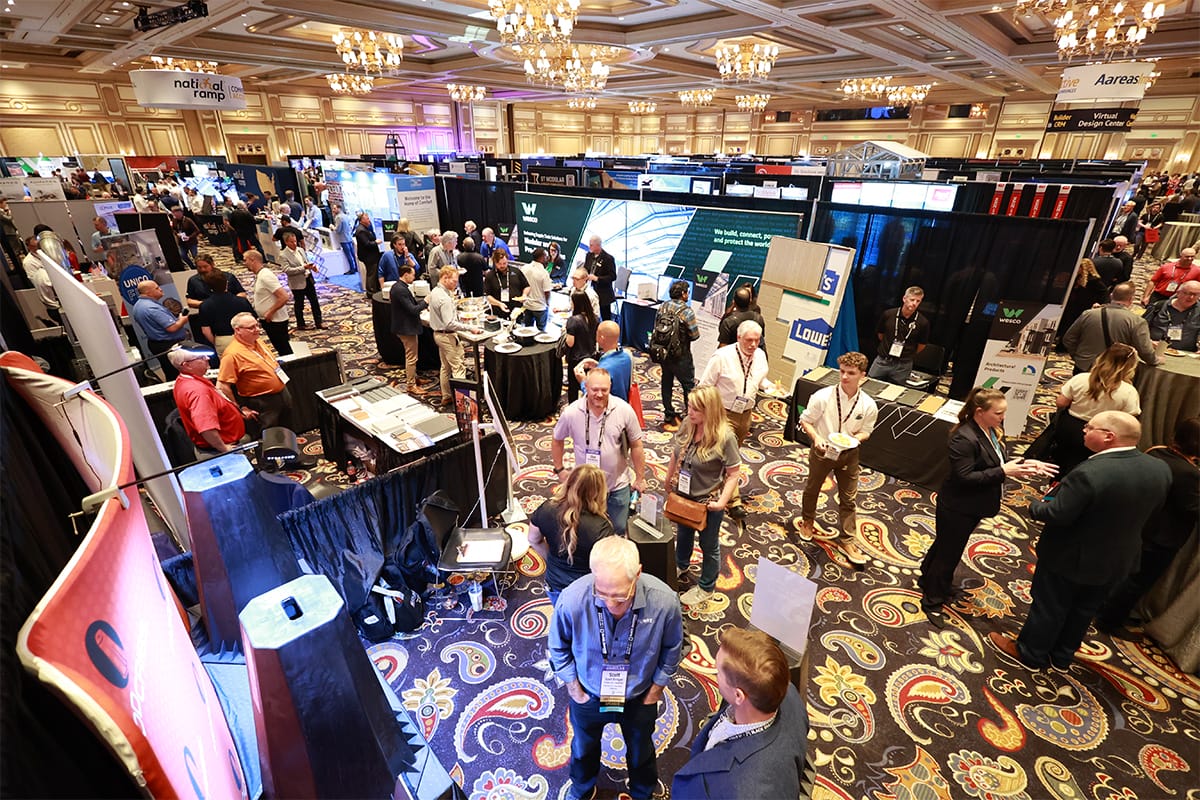
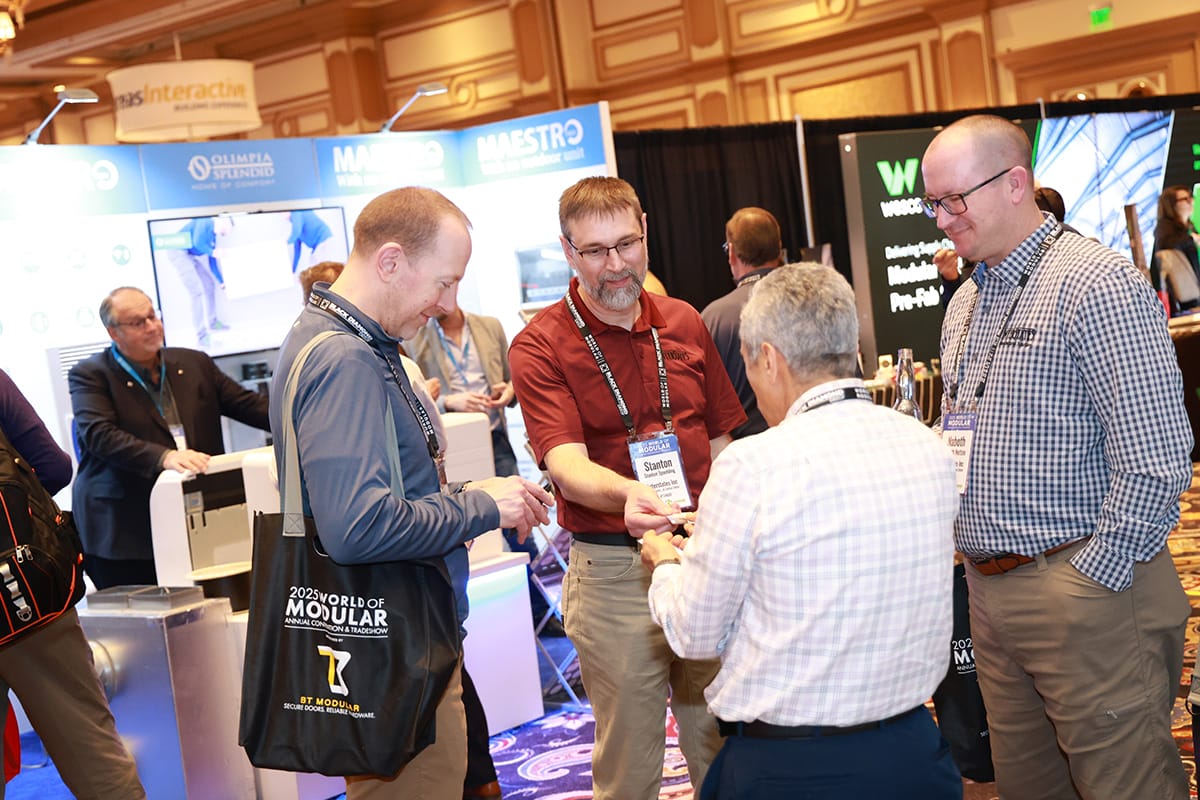
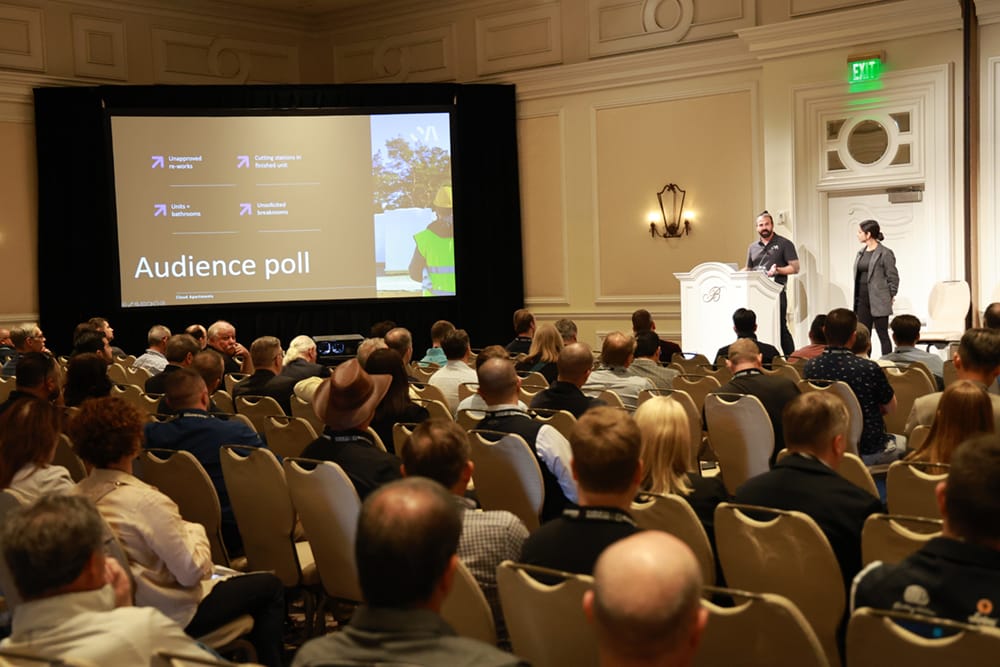
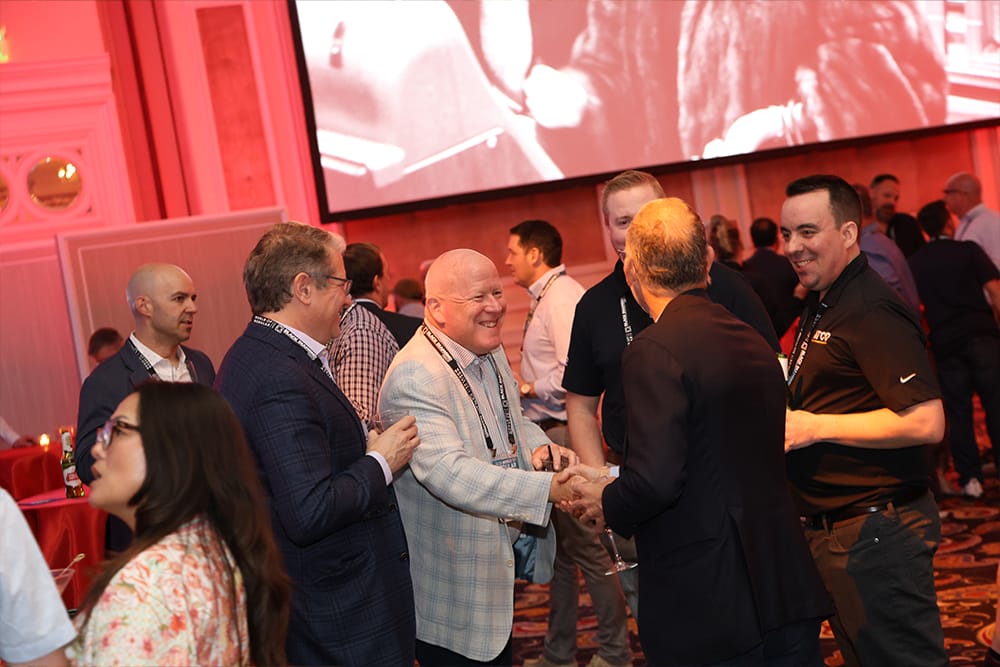
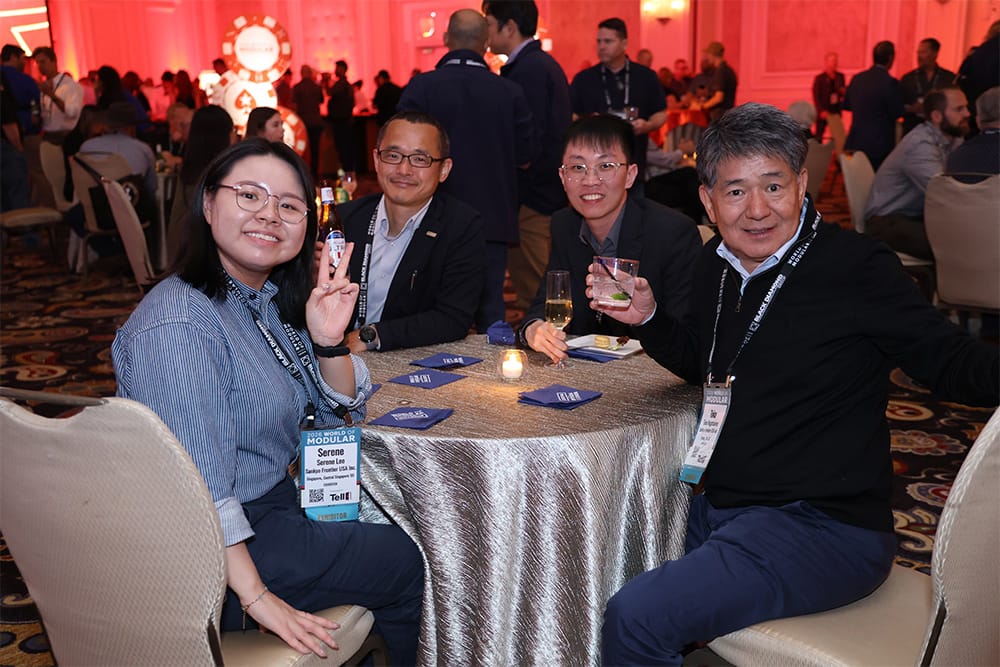
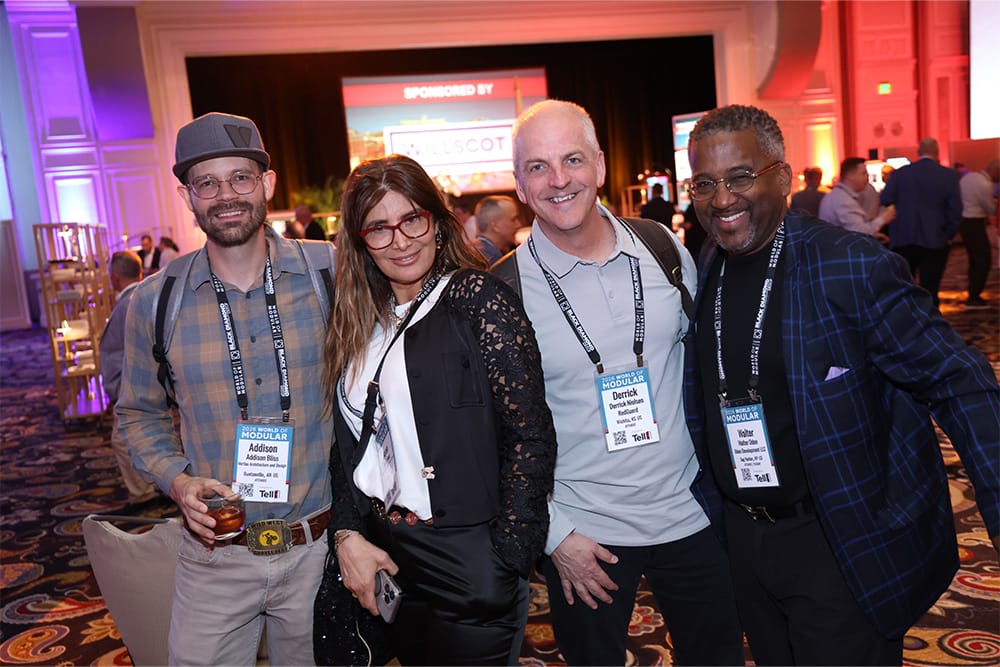
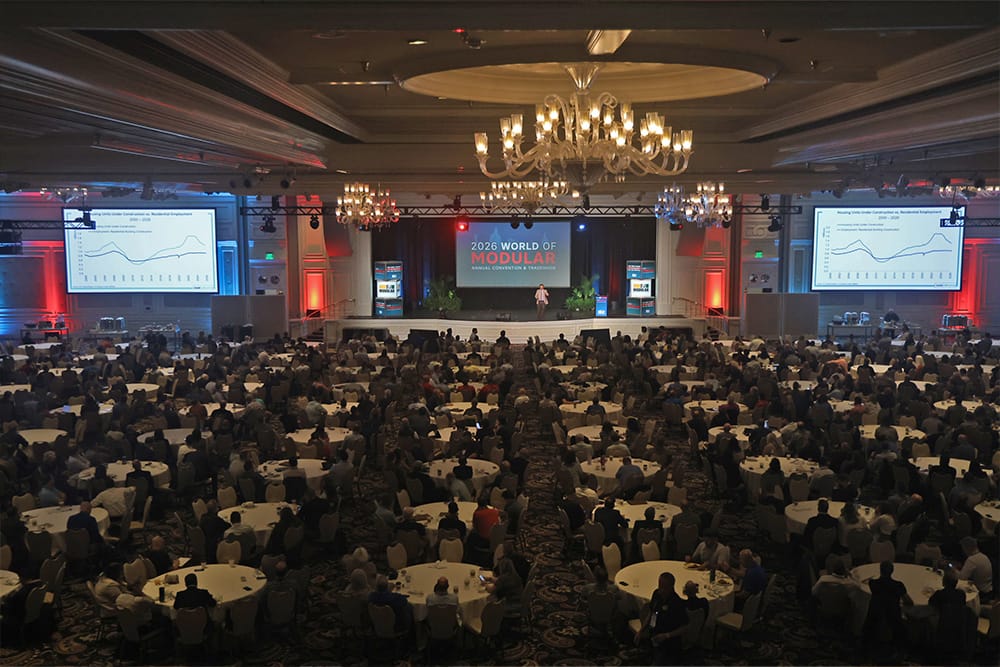
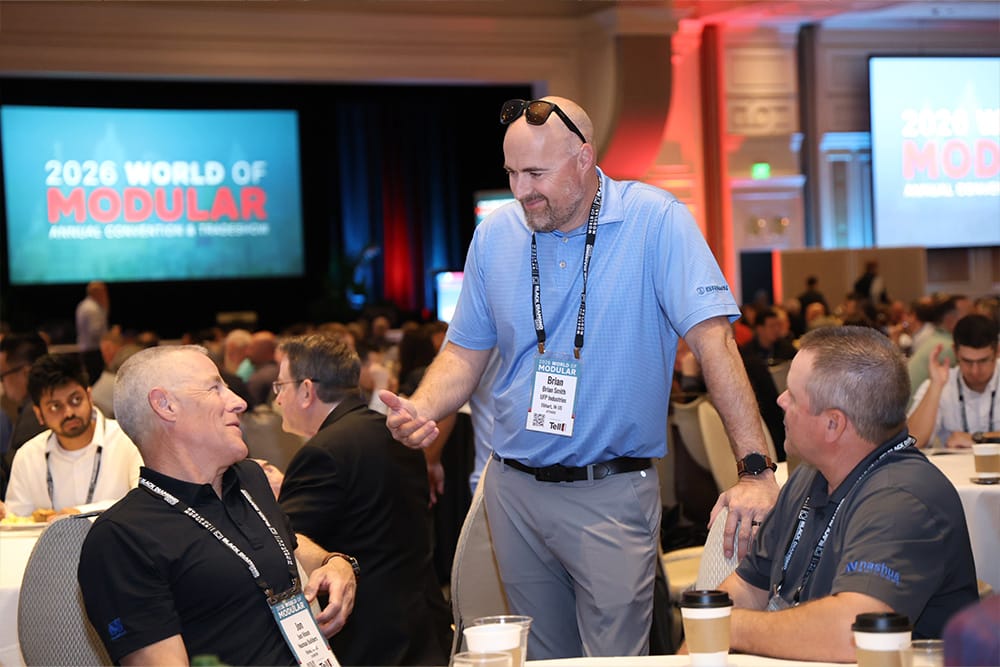
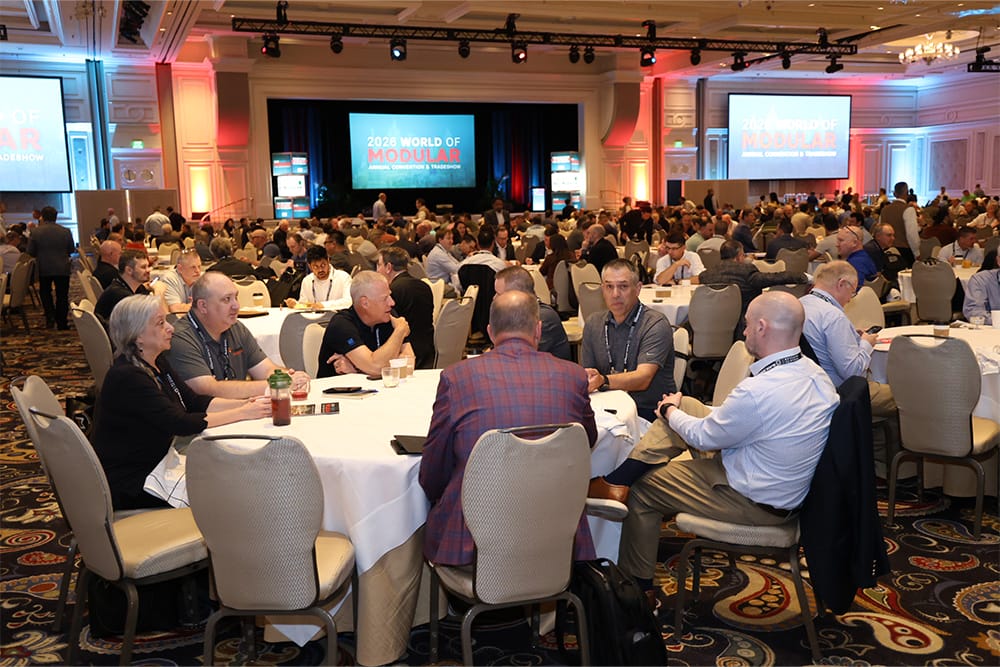
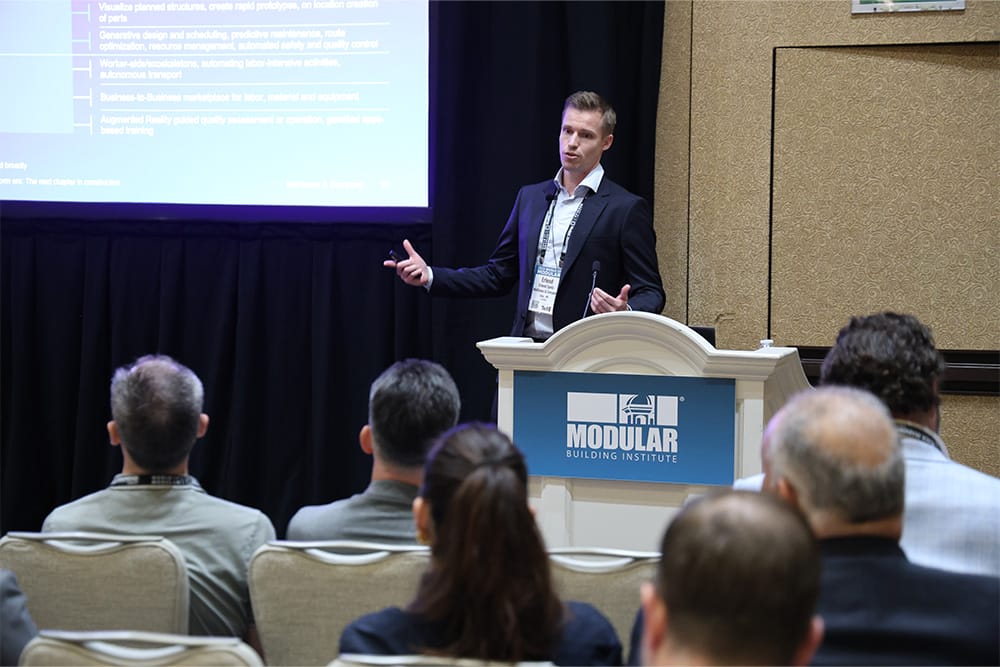
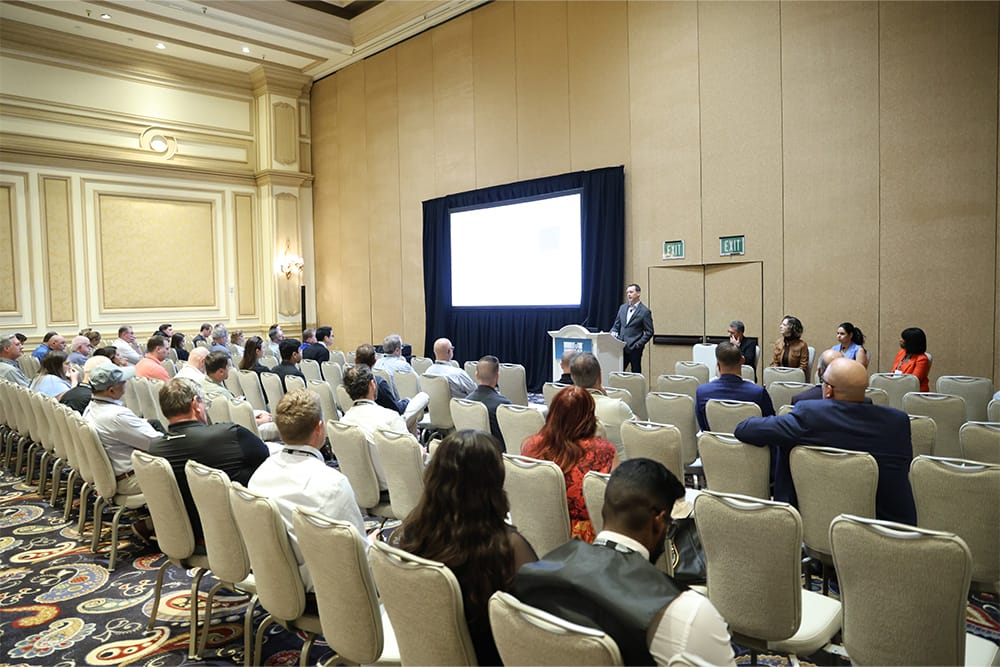
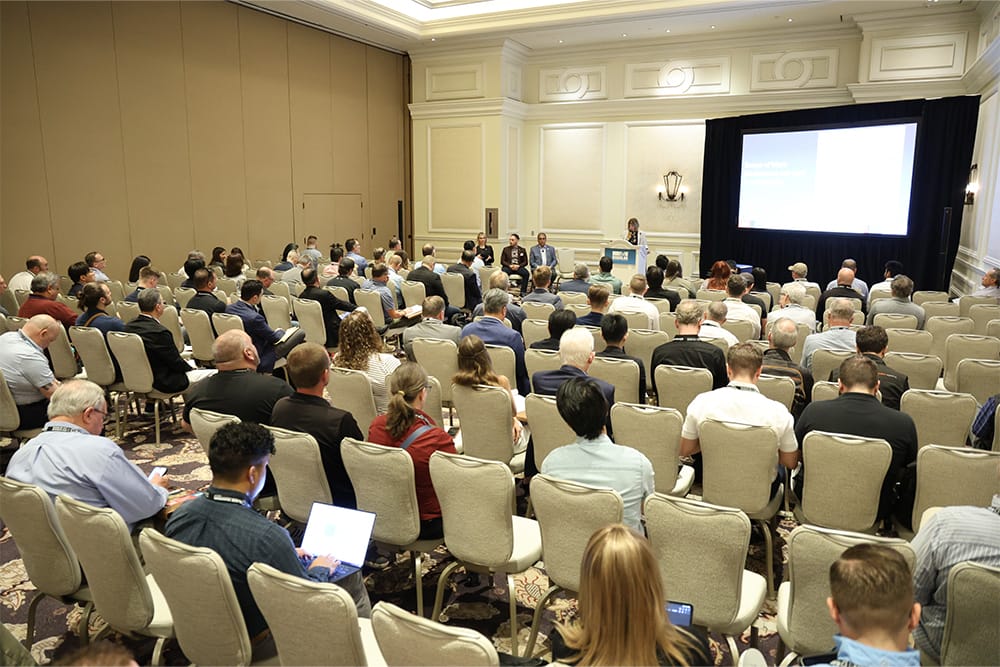
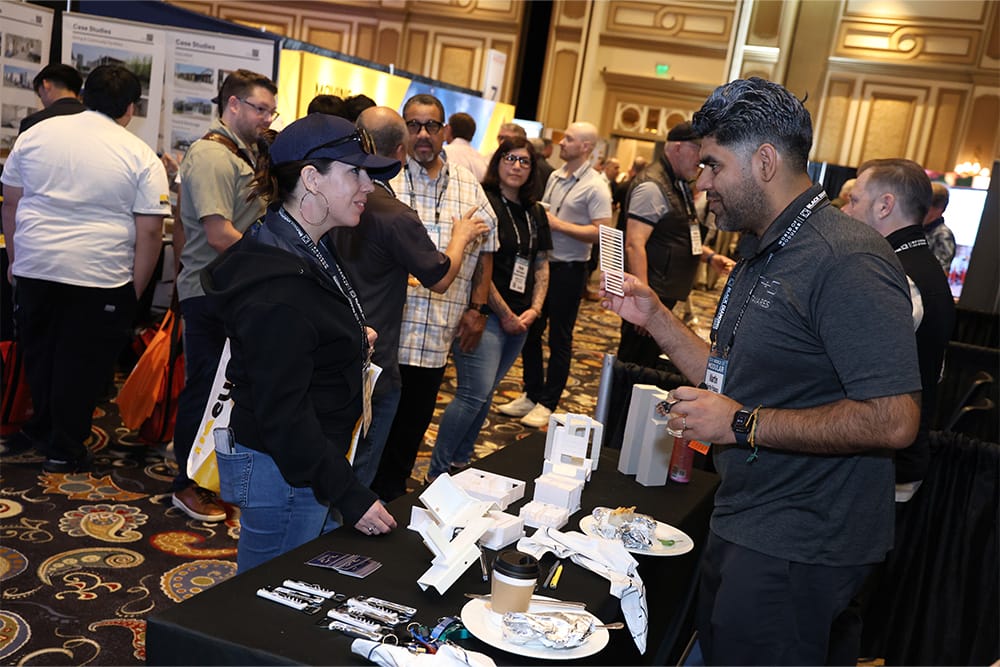
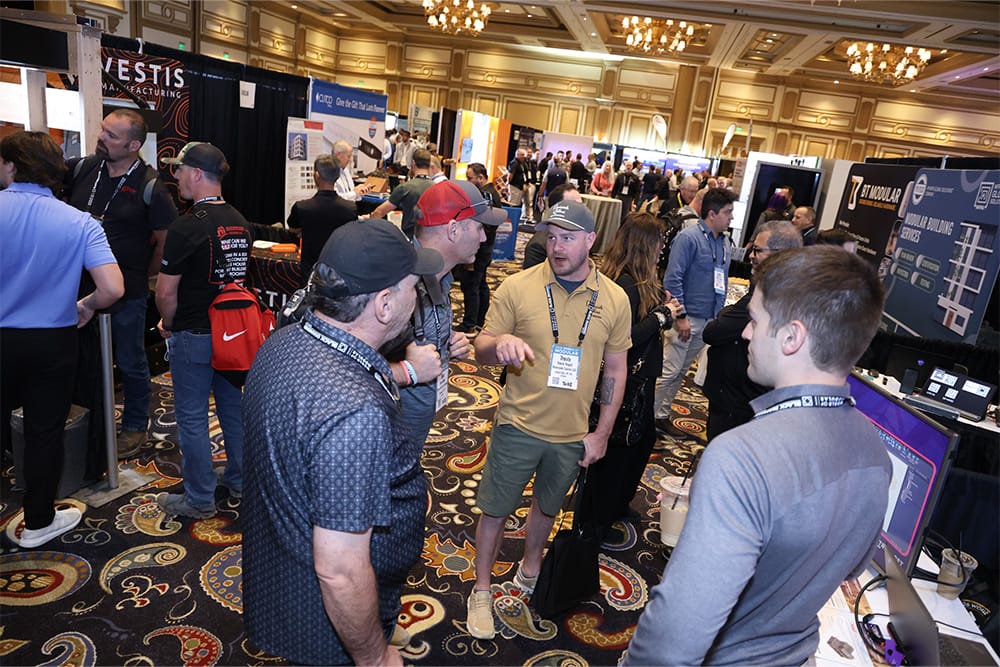
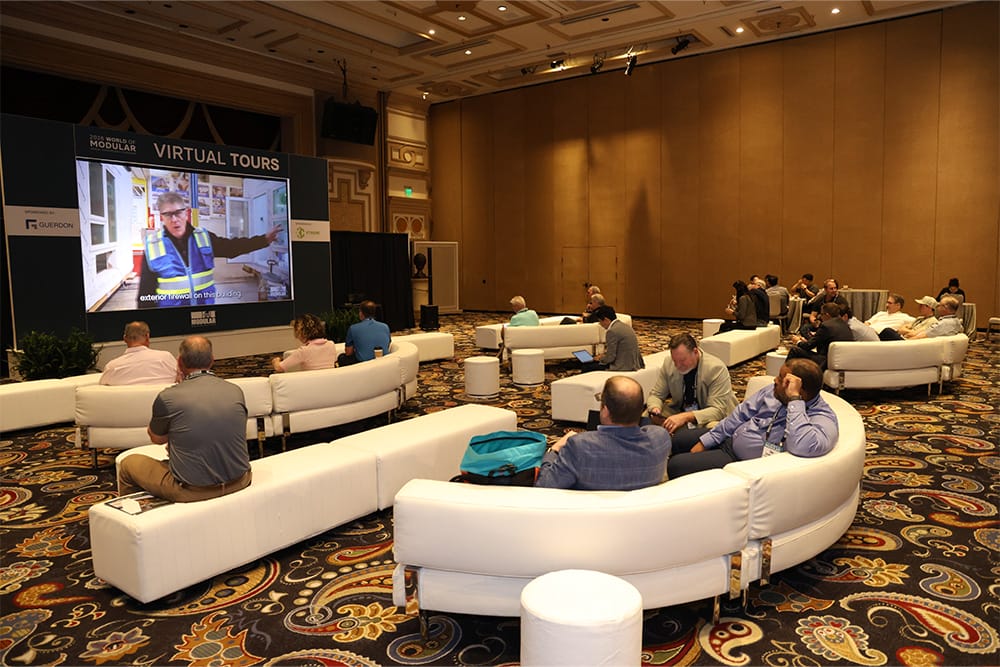
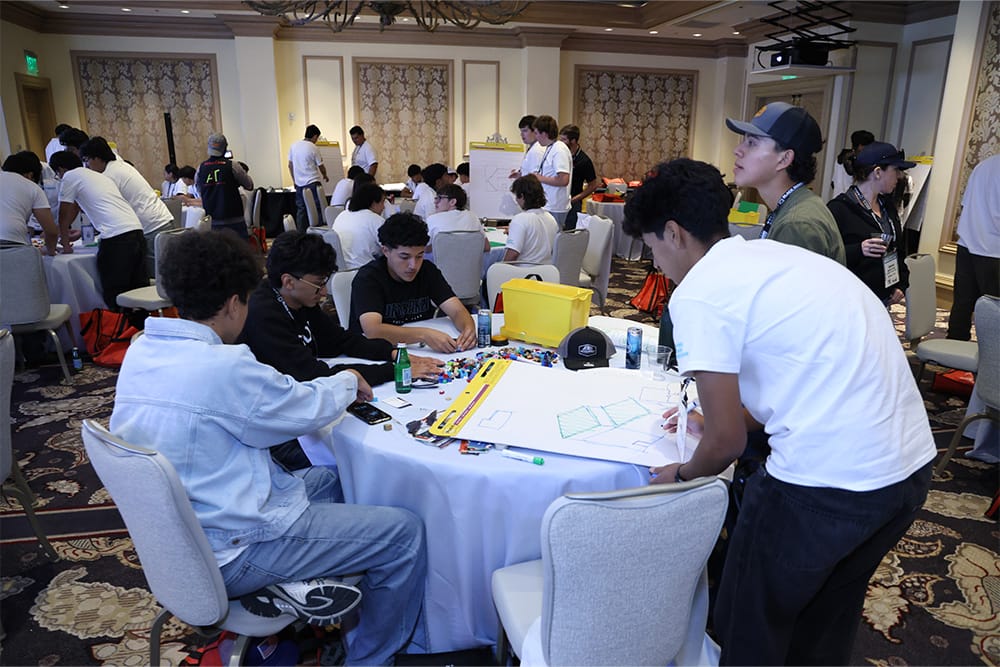
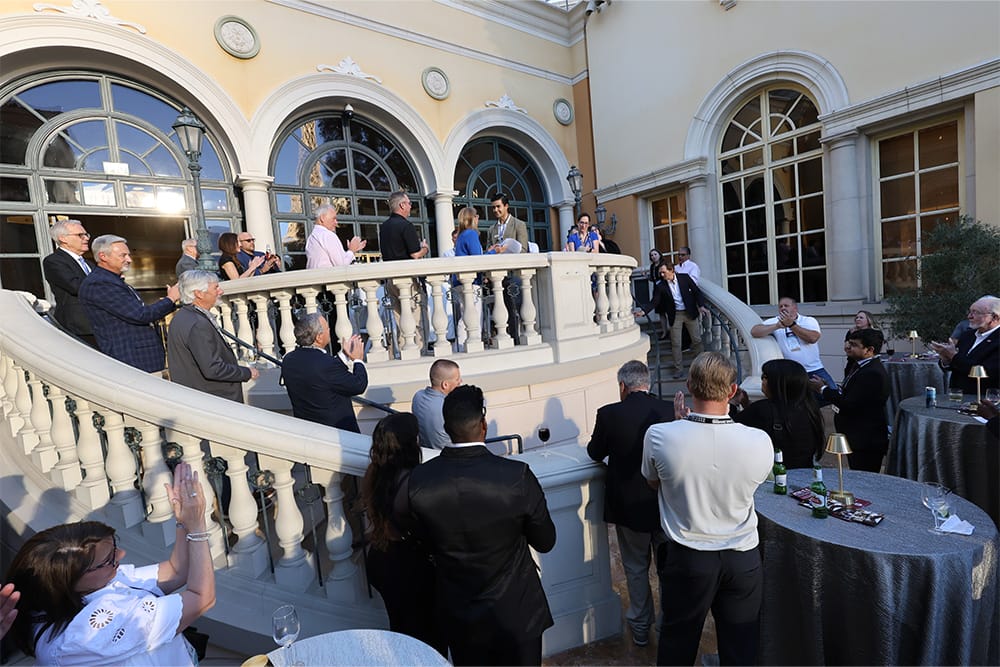
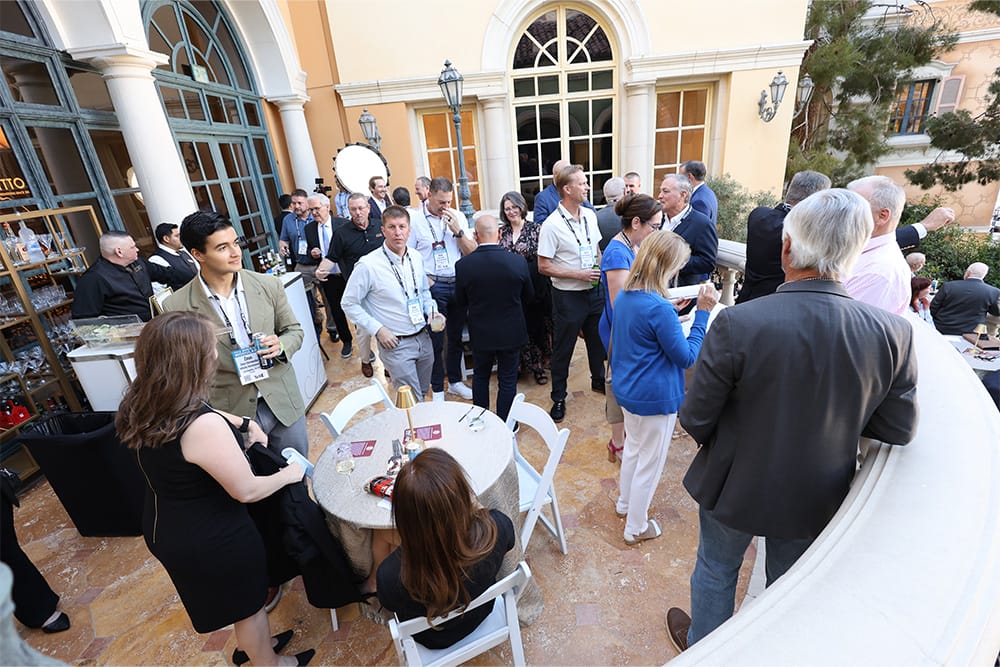
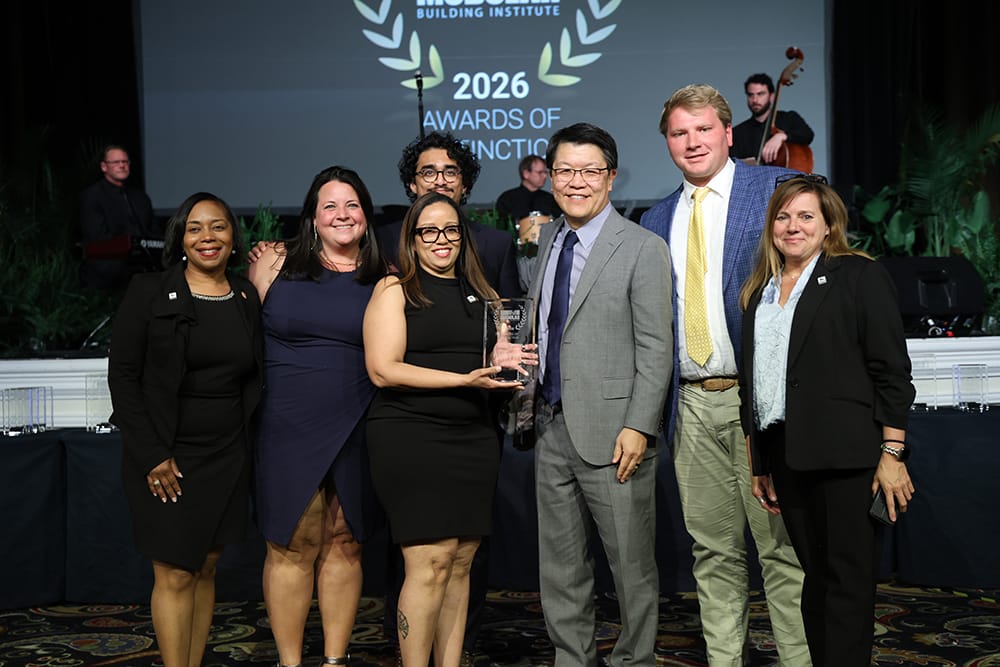
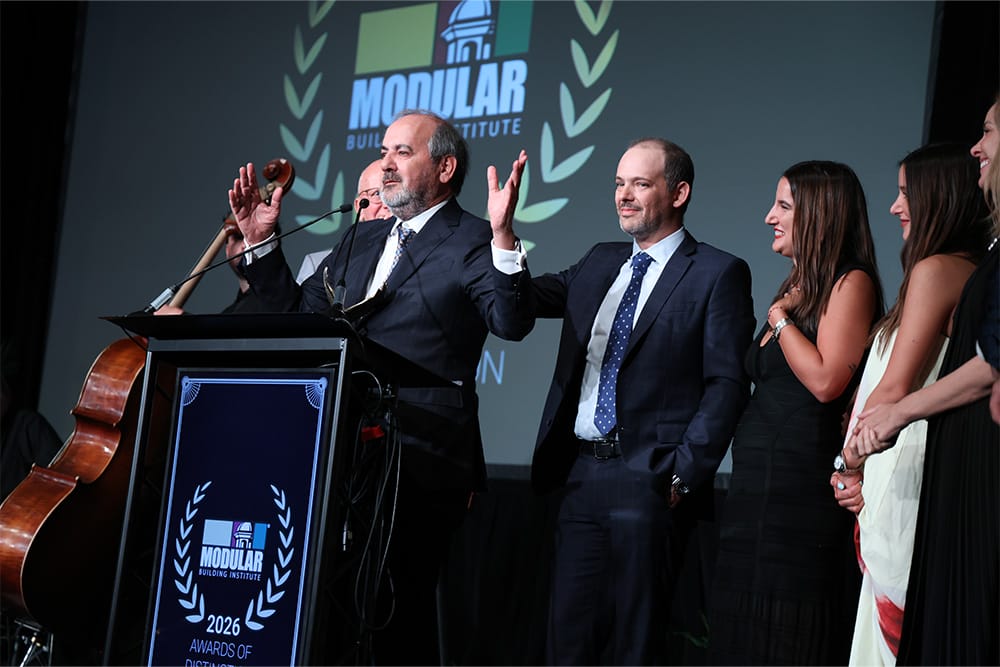
Browse our gallery below to see photos from the 2025 World of Modular in Las Vegas. Featuring over 1700 global attendees, nearly 200 exhibitors, dozens of breakout sessions, trade school and university students from across the US, this event was our biggest yet!








Meet the Industry's Best in Las Vegas
The 2026 World of Modular will be hosted by the Modular Building Institute from April 20-23 at the luxurious Bellagio Hotel & Casino, a world-renowned property at the heart of the electric Las Vegas Strip.
Bellagio Hotel & Casino
3600 S Las Vegas Blvd,
Las Vegas, NV 89109
888-987-6667
Please Note: You are responsible for making your own hotel and travel arrangements. The MBI room block will expire when our block of rooms is sold out. To ensure you have a room at The Bellagio, please make your reservations early!
Watch out for phishing! Here's our list of identified scammers.