True Modular Building Seeks to Revolutionize Housing. It’s Next Stop: MBI’s World of Modular Europe
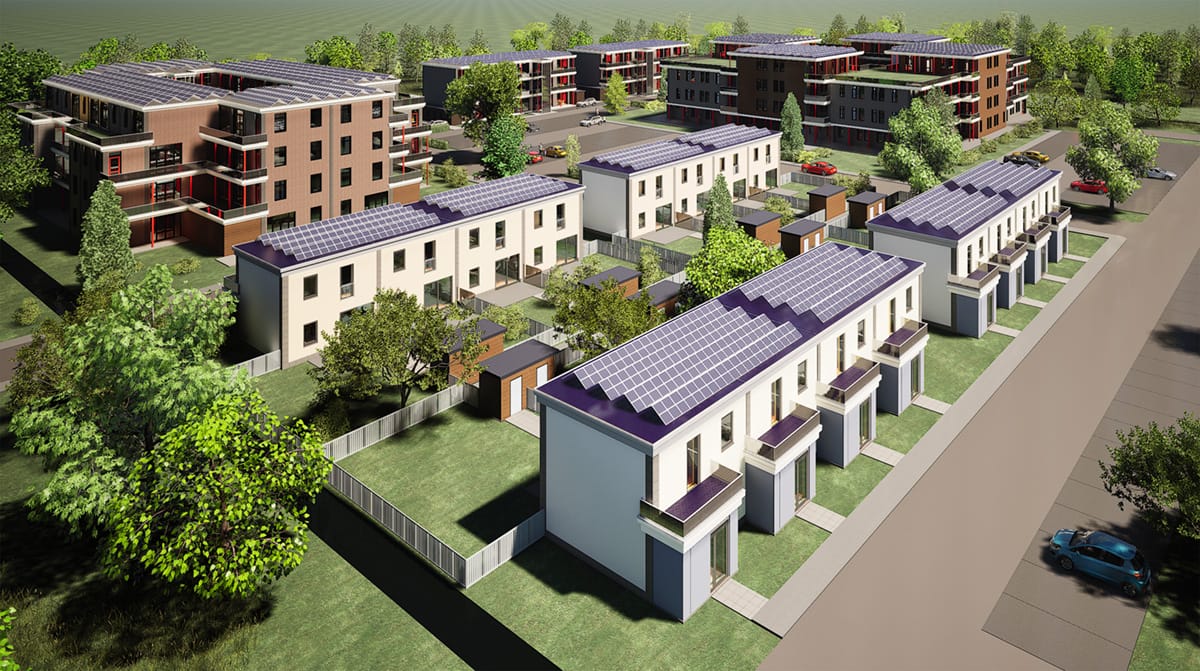
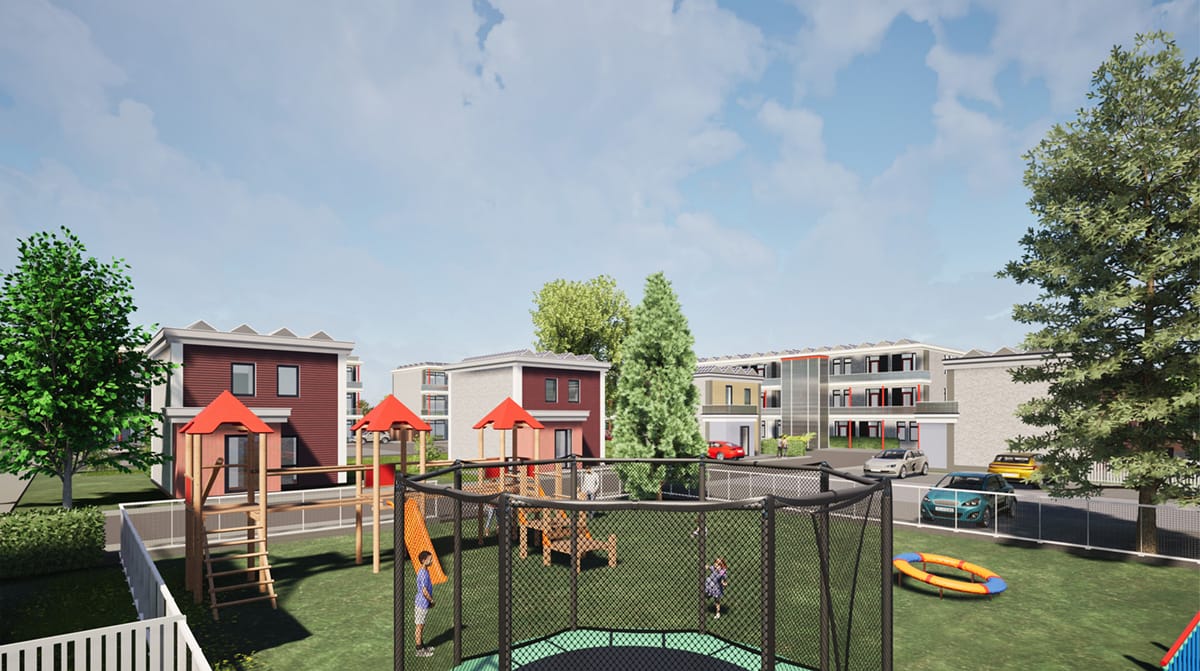
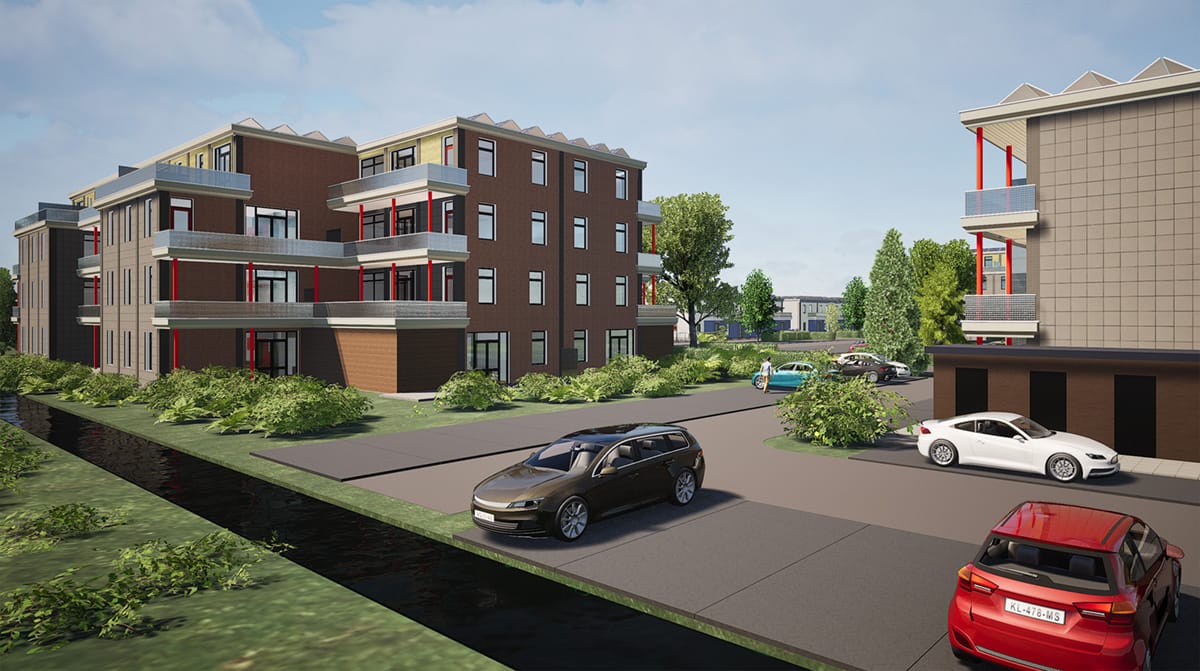
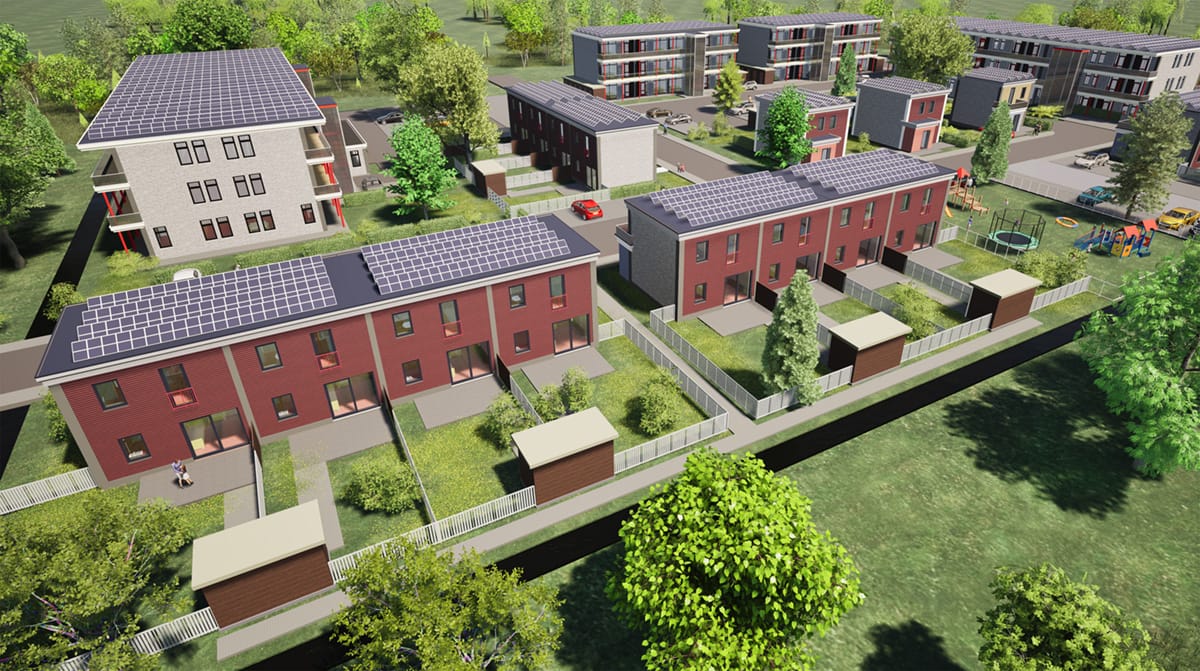
True Modular Building (TMB) specializes in crafting attainable, eco-friendly, and comfortable build-to-rent (BTR) housing with modern designs and customizable features, ensuring that residents feel at home both today and tomorrow. Their core belief centers around sustainable smart hybrid construction, where they use raw materials sparingly and leverage their distinct attributes like strength and adaptability to create residential homes.
Carel van Duuren, founder and CEO at TMB and speaker at the upcoming World of Modular Europe in Brussels, Belgium, has a long history in the building industry.
“True Modular Building is a spin-off and evolution of my previous companies and expertise in volumetric and modular manufacturing,” says van Duuren. “With the companies Kessel Rental and NxtGen Smart Modular Building, I started with developing kitchens for universities, businesses, conventions and events. This evolved into dismountable container kitchens, which then led me to wonder: How can I make the ideas behind this system more sustainable and repeatable for residential buildings and/or affordable housing?”
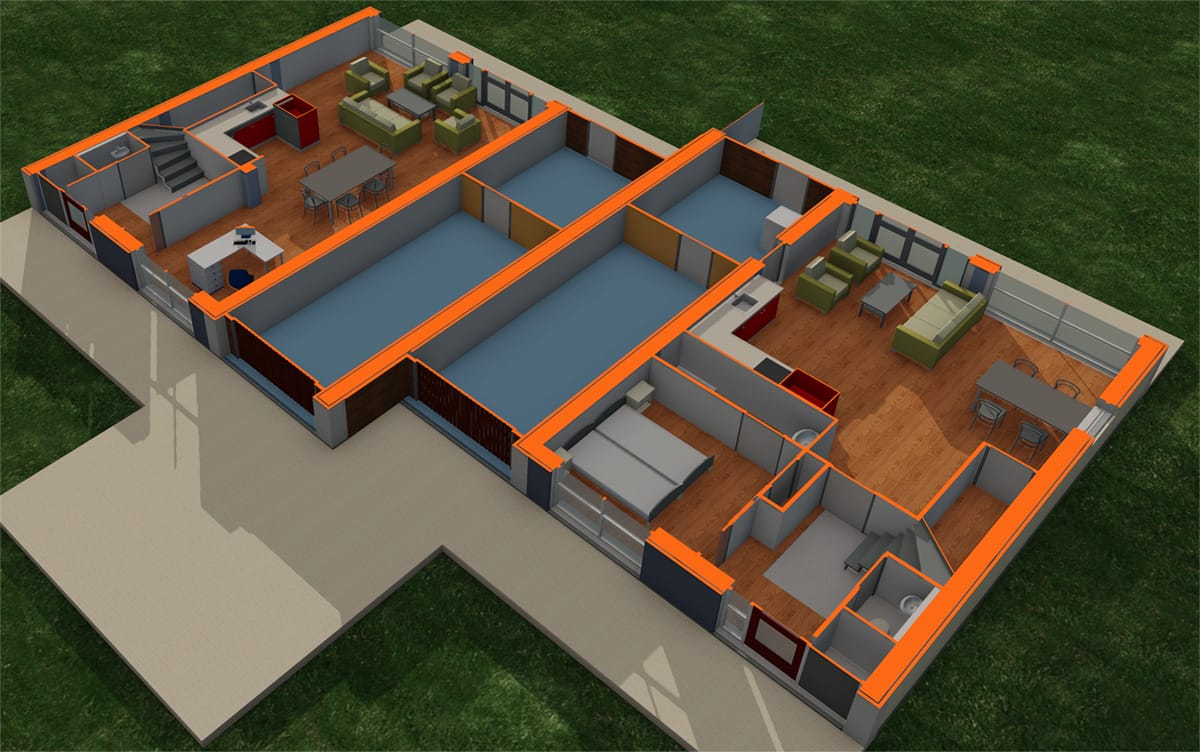
One of True Modular Building's core principles is the use of its proprietary flexible building system, Orange Kit: a configurable platform capable of delivering a diverse range of building types with unique architectures.
Scarce Housing and Rising Carbon Emissions Present Challenges
“I have been following the global housing crisis for a couple of years,” says van Duuren. “The common factor is that a decent home is too expensive and that there are just not enough affordable homes.
“The Dutch housing sector, for example, is experiencing considerable strain by a combination of high demand and a scarcity of affordable homes. This has been a contributing factor to the significant surge in house prices within the Netherlands, placing it among the highest in the European Union.
“Building land in the Netherlands is scarce. The permit procedures are long, there are many regulations and parties involved, and there is a lot of citizen participation (NIMBYism) which delays the process.”
In addition, says van Duuren, the building sector faces multiple operational challenges including escalating raw material costs, labor shortages, and an increasingly critical environmental issue: greenhouse gas emissions.
“Globally, the largest source of greenhouse gas emissions is energy consumption and 40% of this energy is consumed within buildings. An industrialized modular construction approach, noted for its efficiency and potential to reduce emissions will address both the housing and reducing CO2 emissions.”
“The entire construction industry is faced with an urgent challenge of enhancing productivity and sustainability,” says van Duuren. “Conventional on-site construction projects waste significant resources such as time and materials, which negatively affects productivity.

Carel van Duuren, founder of True Modular Building, is an industry veteran with expertise across engineering, developing, patented technology, business development, CEO and CFO experience and starting companies.
In addition, “the building industry faces many problems such as slow speeds, growing labor shortage, skills scarcity, high costs, and the inability to scale and/or reluctancy to use industrial approaches or new materials.”
The Potential of Industrialization and MMC
“Industrialized modular construction has the potential to enhance efficiency and productivity in the construction sector,” says van Duuren, “approaching the practices in the manufacturing sector.”
Van Duuren has identified a number of trends that support his thinking. According to him:
- There are a growing number of ‘modular building’ companies and growing confusion about what ‘modular’ actually means.
- There is a higher demand for buildings to be adaptable and future-ready. For example, can offices change into houses and schools into hospitals?
- There is more attention being paid to biobased insulation and biobased construction materials.
- The lack of skilled labor is becoming a critical factor, increasing the need for plug-and-play, easy, fast types of construction.
Related Reading:
World of Modular Europe to Bring Industry Insights, Expertise to Brussels
World of Modular Europe, to be held in Brussels on 1-2 October, will be an event like none other. Featuring speakers, exhibitors, and attendees from across Europe and around the globe, World of Modular Europe will be a world-class forum, offering key insights, best practices, and the opportunity to meet leaders and stakeholders from every corner of industry.

True Modular Buildings’ Approach
“A major stimulus for TMB,” says van Duuren, “is the need to reduce the built environment’s impact on carbon emission and depletion of natural resources through reducing the wasteful consumption of materials and electricity.”
These issues can be addressed, according to van Duuren, with TMB’s approach to building.
“TMB is an innovative company in the construction and housing industry,” says van Duuren. “It specializes in modular construction, which involves production of prefabricated building components off-site and assembling them on-site. TMB's approach to construction (MMC) is rooted in principles of innovation, sustainability, and social responsibility. We focus on developing proprietary construction systems which streamline the building process, minimize waste, and maximize efficiency.”
Simply put, van Duuren’s aim is to change how housing works. “TMB's goal is to revolutionize the way homes are built, making them more accessible, adaptable, and environmentally friendly.”
Building for the Future at World of Modular Europe
Planned for 1-2 October in Brussels and presented by the Modular Building Institute, World of Modular Europe will provide the perfect forum for van Duuren to share what he’s learned—and to hear the ideas of his industry peers.
“I want to share my insights about the development of a componentized building system. I want to explain the importance of creating maximum adaptability and flexibility, and I want to help attendees understand that change is a constant factor—adaptations are necessary during the entire life of the building. And in so doing, I want to share and learn more about how we can make products infinitely repeatable and simple. How can we make sure we, as builders, are contributing to the economy without adding extra waste or using increasingly precious resources?
“I’m looking forward to sharing my experience and knowledge to help people to think differently and to show that small conceptual changes can make big differences.”
See all speakers and presentations for World of Modular Europe and register today.
About the Author: John McMullen, PCM, is the marketing director for the Modular Building Institute. You can reach him directly at mcmullen@modular.org or on LinkedIn.
More From Modular Advantage
MBI Town Halls 2026: Reflections from Boston
By the end of 2026 MBI’s Government Affairs team will have traveled over 6,000 air miles to bring Town Hall events to five different cities in two countries.
Mind the Gap: The Interface Between Onsite and Offsite Construction
Every design for manufacture and assembly (DfMA) project — modular, mass timber, or panelized — is really two projects joined at a seam. One is built in a controlled factory to millimeter tolerances; the other in the field, in weather, to the looser tolerances of poured concrete and human hands. Between them sits an interface: where the factory’s precision meets the site’s reality.
Rules, Rails & Repeatability: Applying DfMA to Modular Healthcare
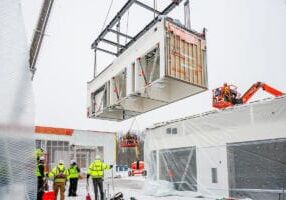
DfMA offers several advantages for healthcare projects, with faster delivery among the most valuable. Schedule matters when building new facilities, expanding campuses, renovating existing space or bringing care closer to communities that need it.
Precision and Possibility: Demands of DfMA and What Modular Mass Timber Makes Possible
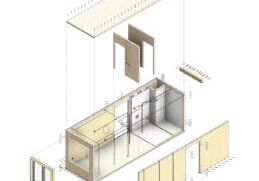
Mass timber does not automatically create an efficient modular building. Its precision makes early coordination more important: fabricated components will accurately reproduce both the team’s solutions and its mistakes. The material’s advantages are realized only when supported by an equally precise design and delivery process.
Catch It in the Factory, Not in the Field: Smarter Testing for Modular Builds
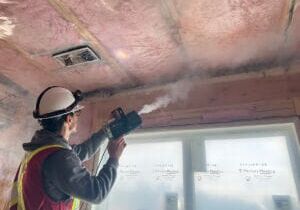
Integrating watertightness and airtightness testing into factory workflows transforms quality assurance from a reactive process into a proactive commissioning strategy. It ensures that every module shipped is field ready and resilient for transportation while also supporting the ability of the modular construction industry to make buildings better.
Modular Construction Contracts: Key Considerations for Successful Canadian Projects
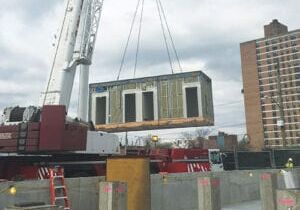
Starting a modular project with a well-developed contract protects both the owner and the contractor. It will help keep the project on track and on budget, and it will improve quality from the factory floor to final installation on-site.
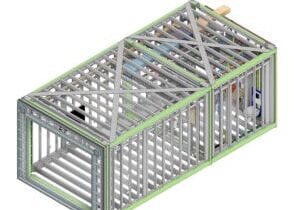
Modular by Design: Turning Architecture into a Manufacturing System
Modular construction is often presented as a faster way to build. Speed, however, is only one part of its value. The larger opportunity is to create a coordinated design and production system that improves quality, reduces uncertainty, and allows a building to move efficiently from concept design through manufacturing, transportation, installation, and completion.
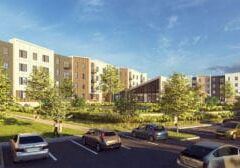
Repeatability Begins with Trust: What Alora at Dry Creek Reveals About Scaling Modular Housing
Alora at Dry Creek, a 329-unit, multifamily community comprising five four-story buildings in Centennial, Colorado, demonstrates how repeatable design, standardized manufacturing and early collaboration can work together to create a model that is not only faster to deliver, but easier to replicate across future projects.
T.R. Arnold: The Art of Third-Party Inspections
T.R. Arnold (TRA), a third-party inspection company in Elkhart, Indiana, contracts with modular manufacturers across the US. Manufacturers register with each state to which they intend to send their modules and may be required to hire a third-party inspection company.
Creating an ‘Ecosystem for Innovation:’ 50+ Years of Modular Construction Oversight in Virginia
Virginia’s modular building program began in 1973, with the implementation of the Virginia Industrialized Building Unit and Mobile Home Safety Regulations. Now it’s leading the country in modular code adoption.