
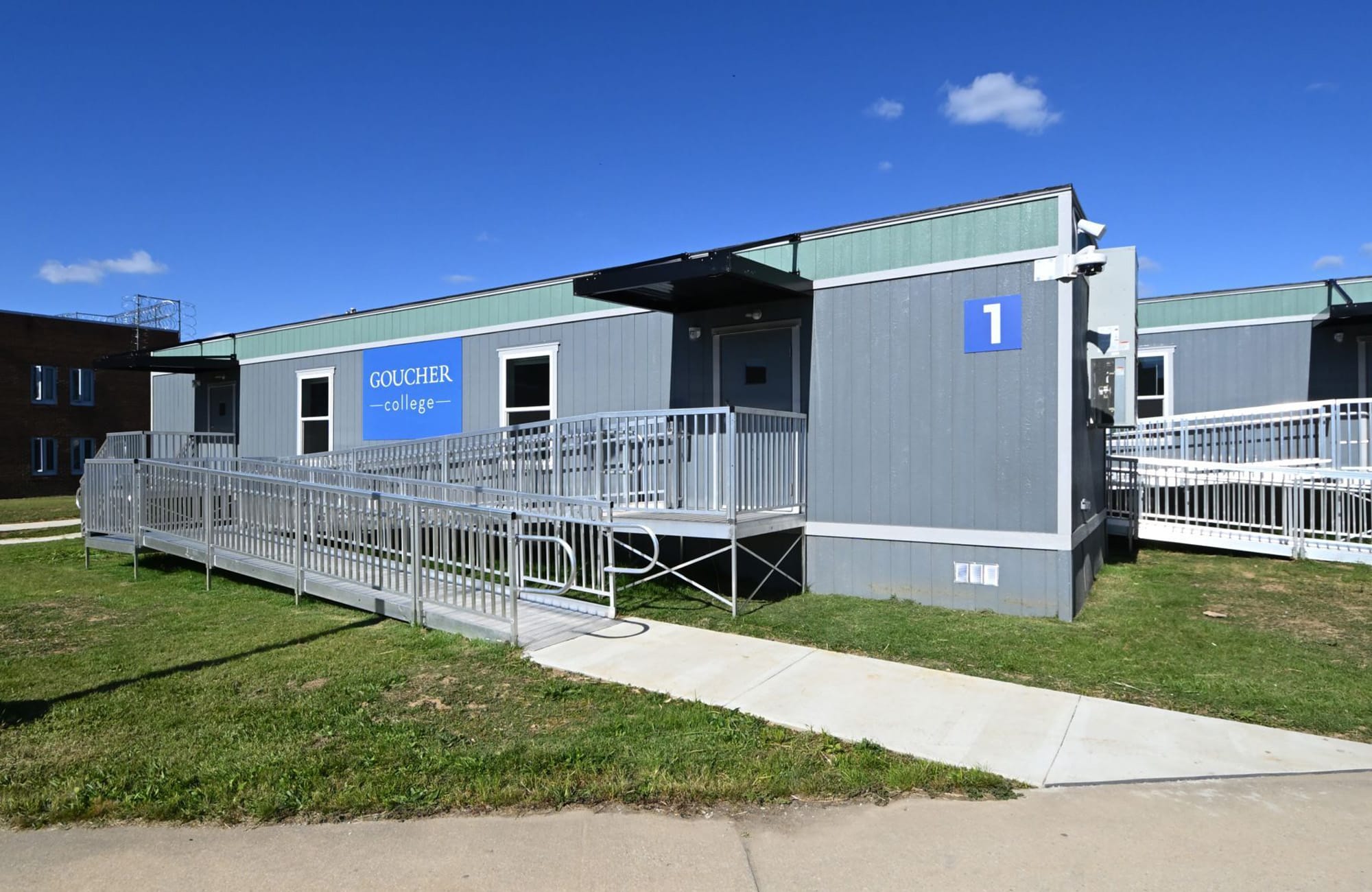
Relocatable Buildings Market Overview
According to MBI's 2026 annual industry reports, the relocatable buildings market in North America is mature, stable, and increasingly strategic. Rather than expanding mainly by adding more units, the industry is creating value through stronger utilization, broader applications, recurring rental income, sales, and service-based offerings. The report also shows an industry with significant private fleet ownership, strong public-sector demand, and a business model that remains resilient.
Over the past decade—and particularly from 2019 through 2026—the North American relocatable buildings industry has demonstrated remarkable consistency in scale, resilience in performance, and a clear transition from a cyclical rental business to a strategic infrastructure asset class.
By 2030, relocatable buildings are expected to play an increasingly central role in the delivery of space solutions across North America, bridging the gap between immediate needs and long-term infrastructure development.
What Types of Relocatable Buildings Are Available?
Relocatable buildings support a wide variety of commercial, educational, institutional, industrial, and public-sector applications. Their speed and adaptability make them especially useful when organizations need additional space quickly but want to retain the ability to move, expand, reduce, or repurpose that space later.
Common relocatable building applications include:
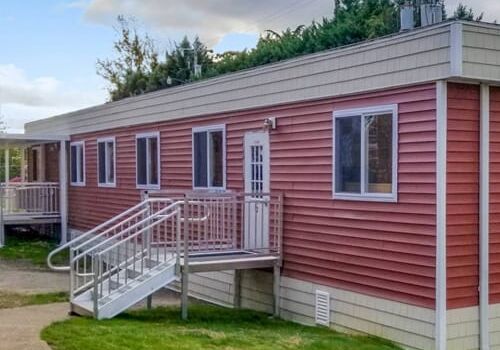
Portable Classrooms & Educational Buildings
Schools, colleges, universities, and early education providers use relocatable buildings to respond to changing enrollment, renovations, construction projects, and temporary space shortages.
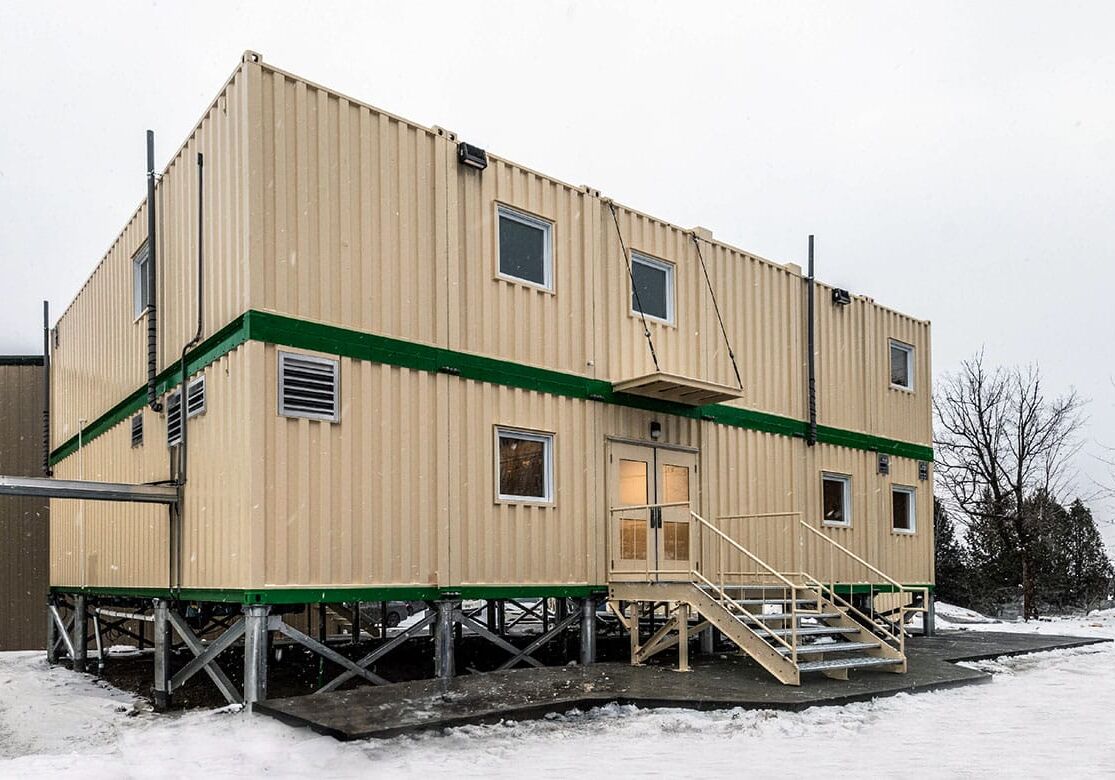
Relocatable Offices
Relocatable office buildings provide flexible workplaces for companies, public agencies, construction teams, industrial facilities, and other organizations. Available configurations range from individual units to larger modular office complexes.
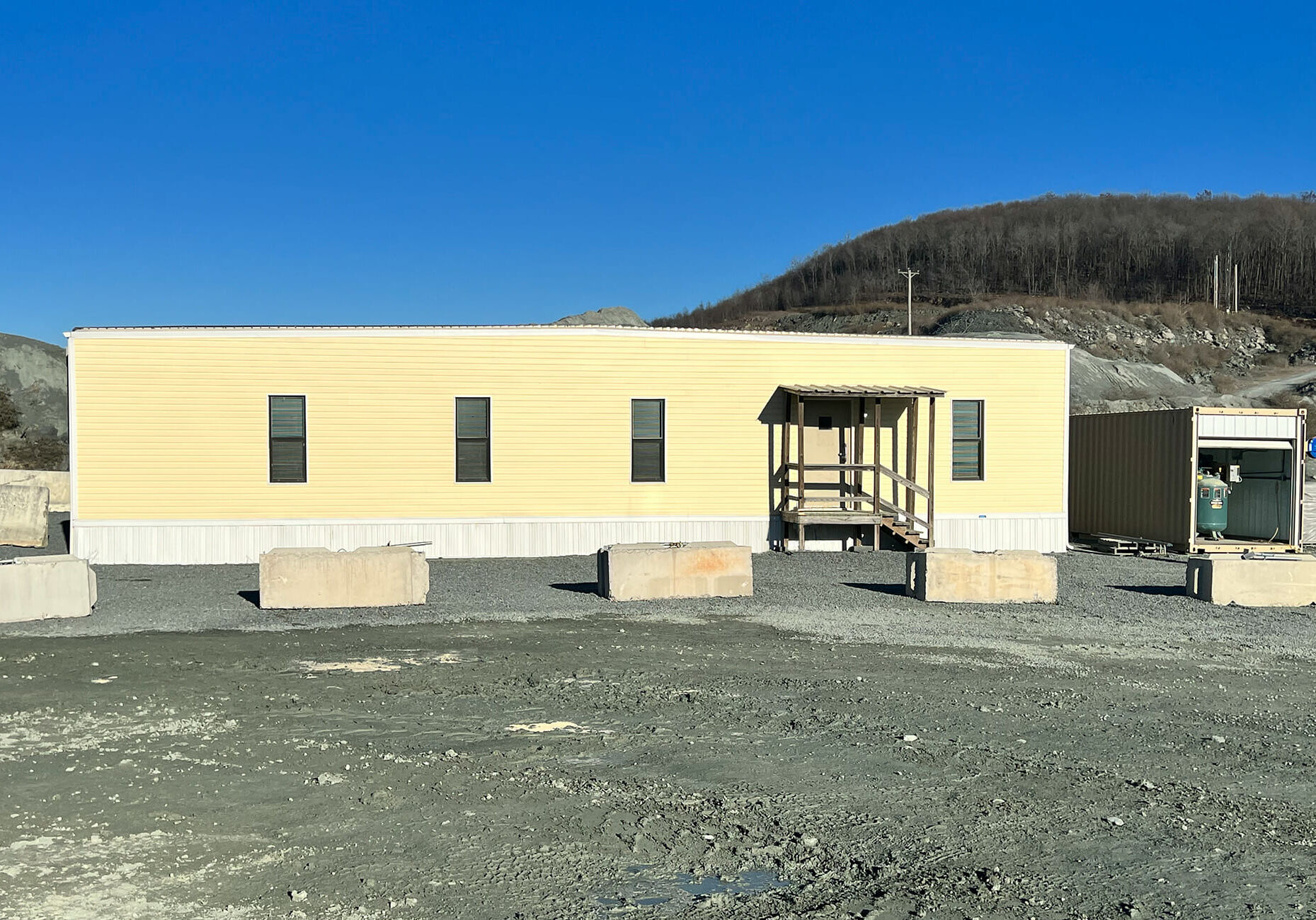
Construction-Site Buildings
Construction companies use relocatable buildings for project offices, meeting rooms, administrative space, break rooms, storage, and other jobsite needs. Often, the same building will support dozens projects during its service life.
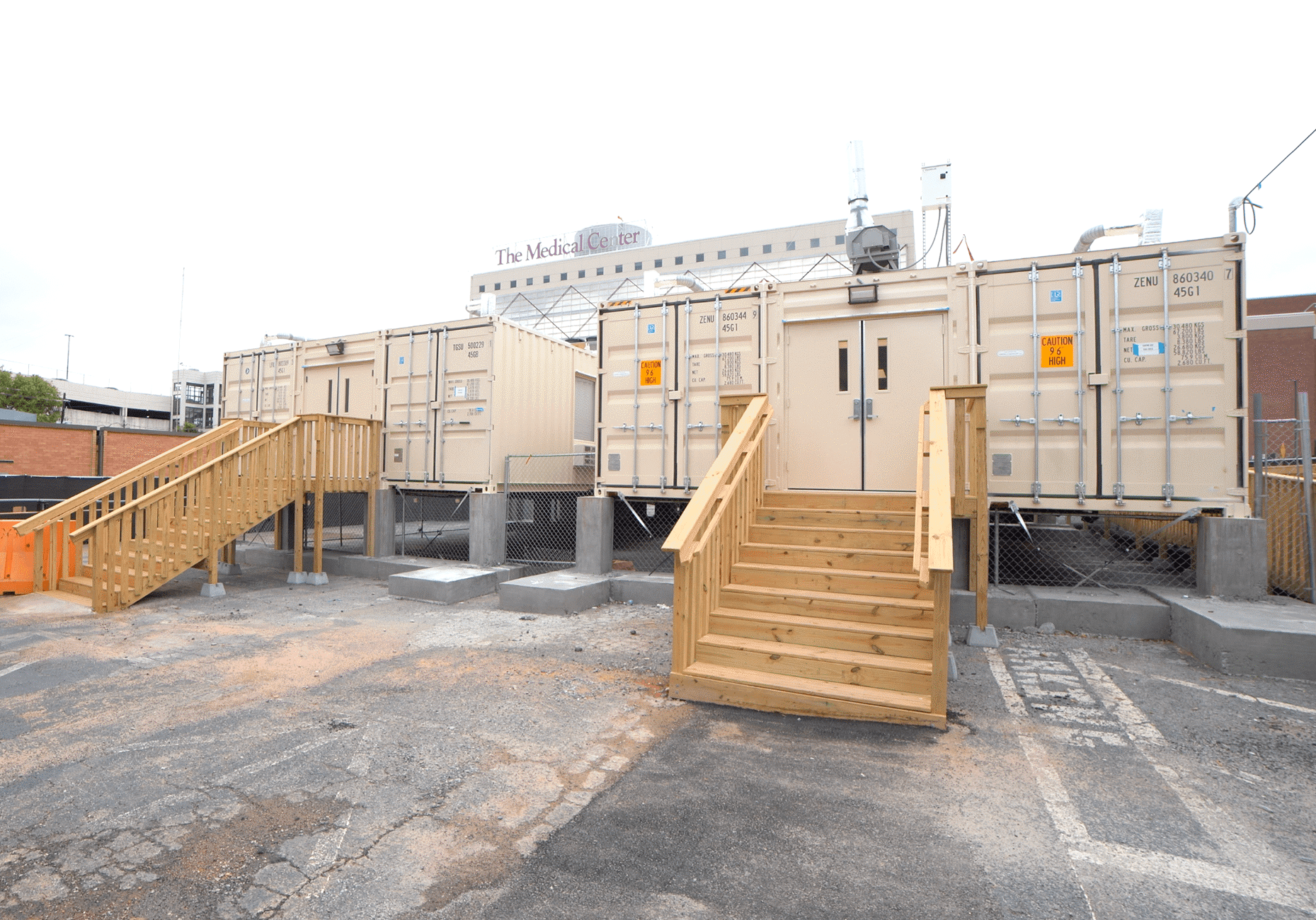
Healthcare & Medical Facilities
Relocatable buildings can provide medical clinics, testing areas, administrative offices, and other healthcare spaces. They can help healthcare providers respond to temporary capacity demands, renovations, changing service needs, or urgent community requirements.

Sales Centers & Retail Buildings
Developers and businesses can use relocatable buildings as sales centers, leasing offices, showrooms, branch locations, and other customer-facing spaces. These buildings can support a project or development during a specific phase and then be relocated or repurposed when the original need ends.
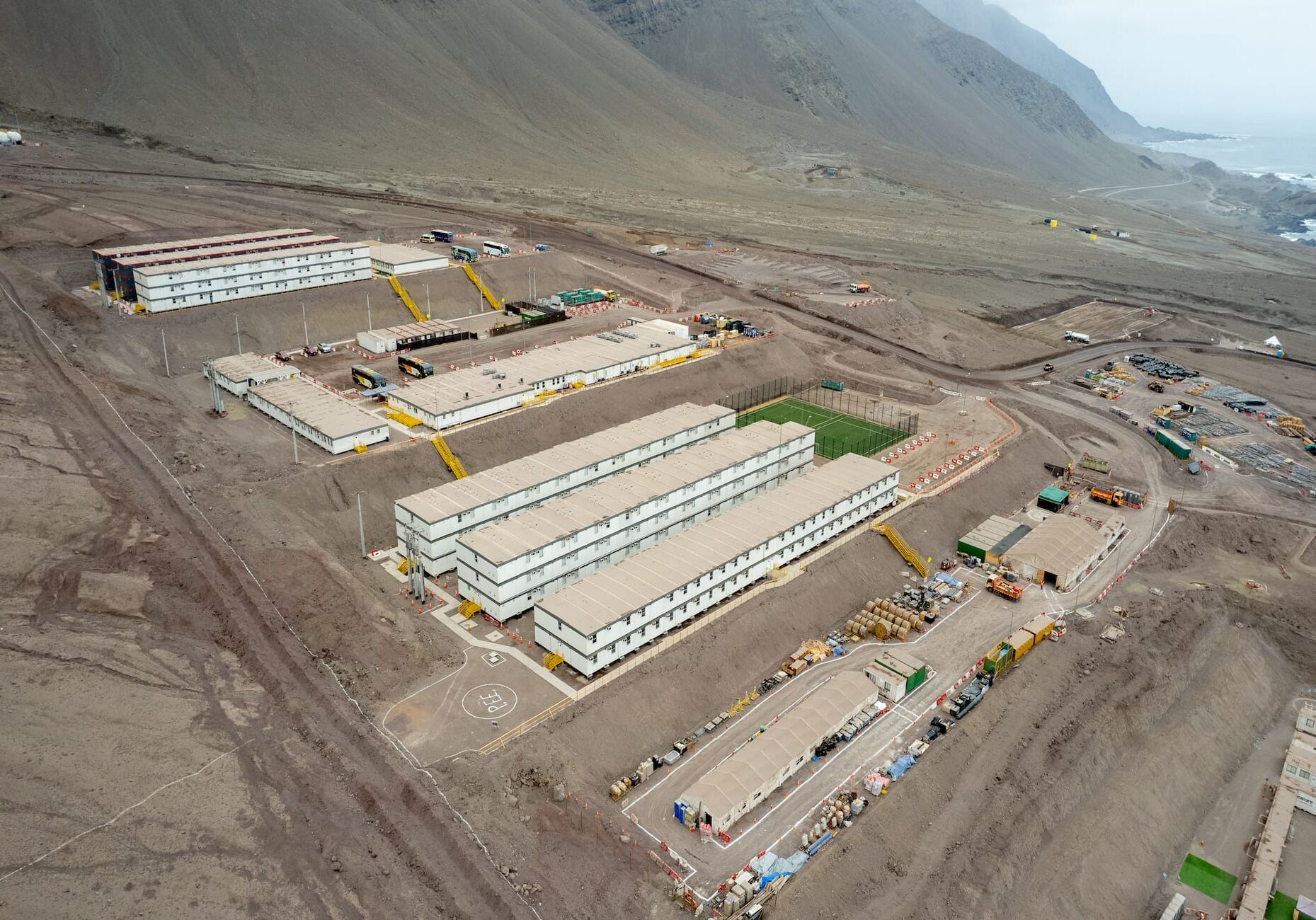
Workforce & Employee Facilities
Relocatable buildings can provide offices, support facilities, and accommodations for employees working at remote, industrial, or temporary project locations. Organizations can scale these facilities to match workforce requirements and relocate them when projects, operations, or staffing needs change.
Explore Relocatable Buildings Projects Around the World
Use this interactive map to learn more about relocatable and portable buildings projects from MBI members across the globe.
Benefits of Relocatable Buildings
Relocatable buildings offer more than temporary space. They give organizations a way to manage changing space requirements while retaining options for future reuse, relocation, reconfiguration, refurbishment, or resale.
Fast Delivery & Installation
Some relocatable buildings may be installed and ready for use within days or weeks, depending on the size and complexity of the project, site conditions, approvals, and availability.
Flexibility as Needs Change
Relocatable buildings are designed to adapt. Organizations can move buildings to new sites, add or remove modules, change layouts, or repurpose buildings for different uses.
Rental, Lease, & Purchase Options
Relocatable buildings are available through a variety of ownership and financing arrangements. Depending on the provider and project, customers may rent, lease, or purchase individual units or complete building complexes.
Reuse & Repurposing
Relocatable buildings are designed to withstand multiple installations and relocations. When one user no longer needs a building, it may be moved, refurbished, reconfigured, resold, or leased to another customer.
Reduced On-Site Disruption
Because manufacturers complete much of the building work away from the final location, relocatable construction can reduce on-site labor, traffic, material storage, noise, and waste.
Scalable Space
Organizations can use relocatable buildings individually or combine multiple modules to create larger facilities. Units may be added or removed as demand changes.
How Relocatable Buildings Are Delivered
Manufacturers construct new modules in a controlled facility, or a provider may prepare existing fleet units for reuse. Preparation may include inspection, repair, refurbishment, reconfiguration, and updates to finishes or building systems.
At the same time, the project team prepares the site, foundation or support system, utilities, access routes, and other required infrastructure. The modules are then transported to the site and placed in position.
Installation crews then connect the units, plus any utilities, entrances, ramps, steps, or other components. The completed building must satisfy applicable installation, inspection, permitting, and occupancy requirements.
When the need ends, the provider can disassemble and remove the building. The units may then be transported to another site, returned to a rental fleet, refurbished for another customer, or repurposed for a different application.
Explore Permanent Modular Construction Projects
Relocatable buildings serve schools, construction sites, businesses, healthcare providers, government agencies, industrial operations, and communities around the world.
MBI’s project database demonstrates the range of portable and relocatable buildings delivered by its members, from individual mobile offices and classrooms to large modular complexes.
Find a Building Provider for Your Next Project
MBI members include the most experienced dealers of relocatable and portable buildings around the globe — all vetted, all ready to deliver.