
Military Base's Modular Buildings
Main Category: Modular Building Design
Company: RI SpA
Location: Pristina, Kosovo
Building Use: Special Application
Gross Size of Project: 15,000 Square Feet
Days to complete: 96
Award Criteria
Architectural Excellence
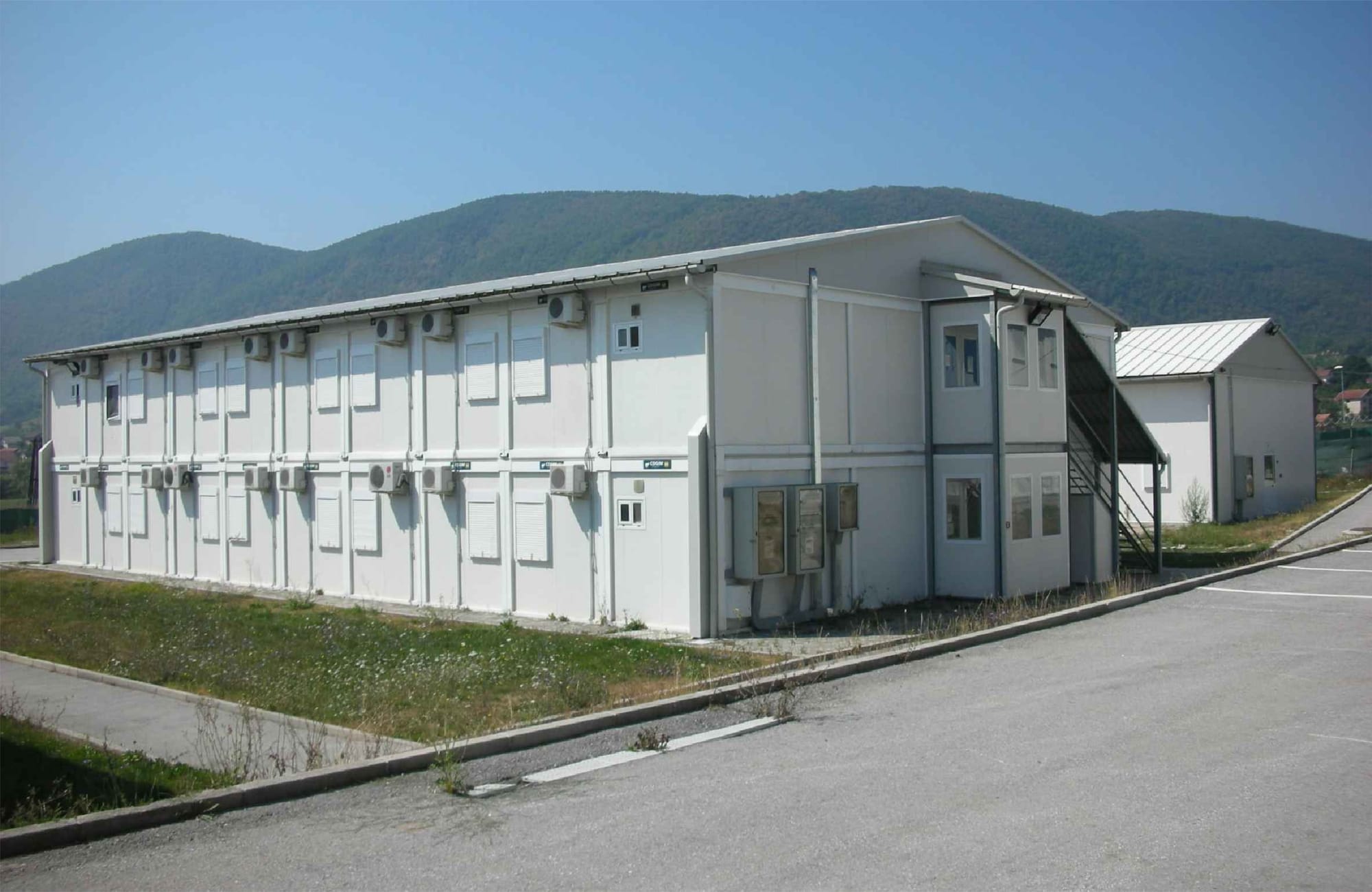
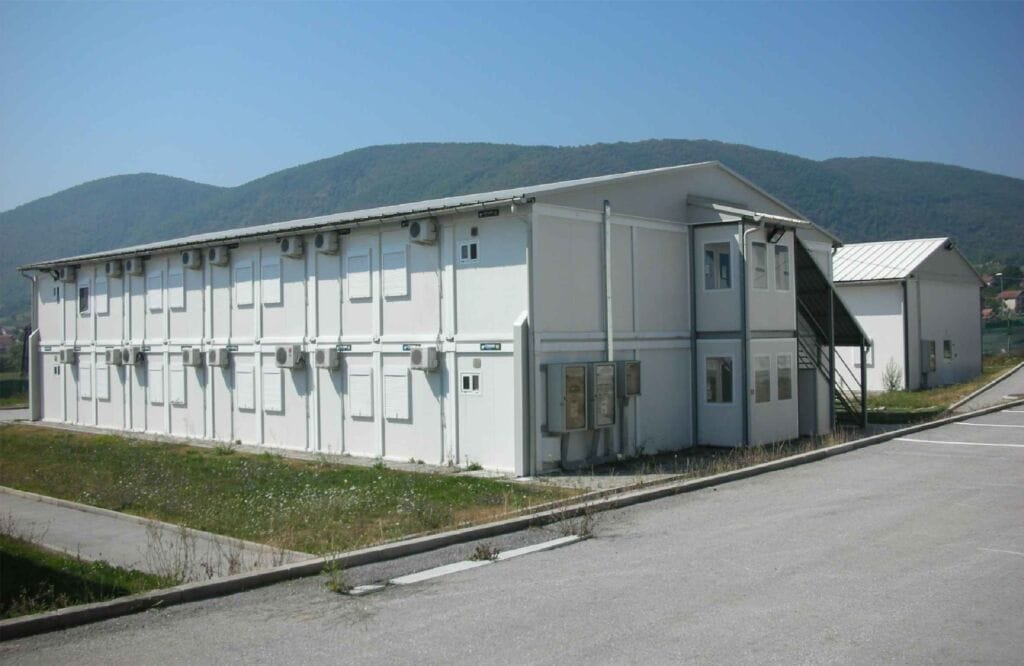
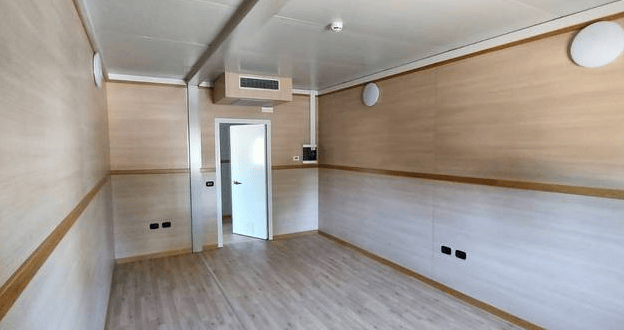
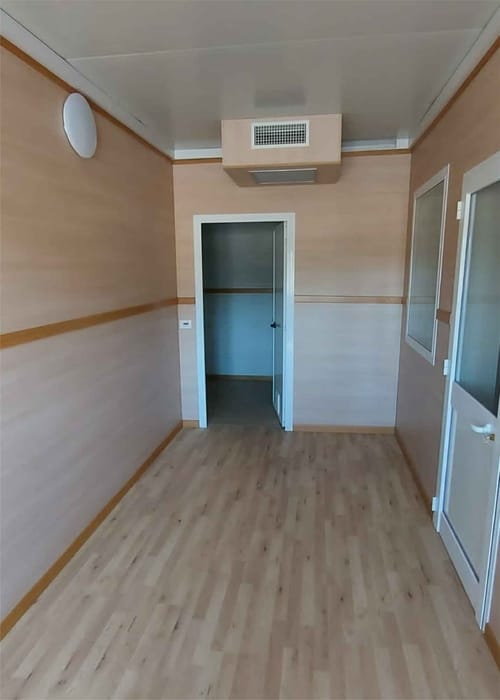
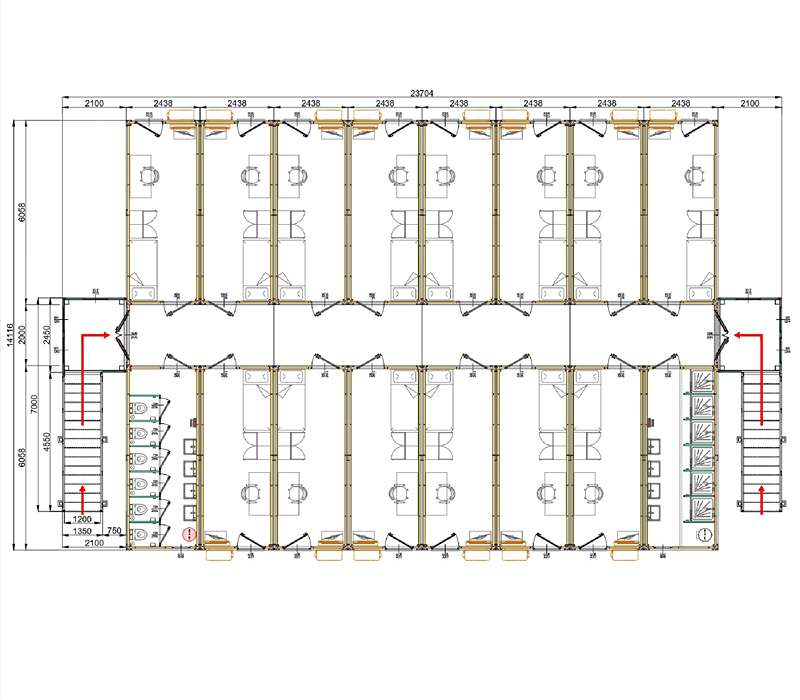
The military base's modular buildings epitomize architectural excellence through their strategic layout, adaptable design, seamless integration with surroundings, and a commitment to visual quality. The project's success lies in its thoughtful planning, emphasizing flexibility, durability and aesthetic harmony in support of military operations. The project features three modular buildings, each exemplifying architectural excellence. The layout maximizes functionality, strategically placing structures for optimal operational efficiency. These buildings serve multifaceted purposes, encompassing command centers, barracks and training facilities. The quantity, size and configurations of modules are tailored to accommodate diverse personnel and equipment requirements. This modular approach enhances scalability and streamlines logistical challenges
Technical Innovation & Sustainability
The military base project showcases cutting-edge technical innovation and sustainability through offsite construction. New design paradigms are embraced, and innovative materials that enhance structural integrity and reduce environmental impact are incorporated. Energy efficiency is a focal point, with smart building systems, renewable energy sources and optimized insulation. Resource efficiency is maximized through the use of recycled and locally sourced materials. The project adheres to green building principles, minimizing ecological footprint and promoting sustainable practices. Technical innovations extend to infrastructure resilience, incorporating adaptive measures for extreme conditions. The integration of intelligent systems enhances security protocols, ensuring a technologically advanced and future-proof military facility. This project sets a benchmark for the fusion of cutting-edge technology with sustainable practices in military infrastructure development.
Cost Effectiveness
The military base project achieves cost-effectiveness through modular construction, efficient materials, streamlined installation, relocatability considerations, and technological advancements. This approach ensures optimal resource allocation, supporting the mission while maintaining financial prudence for the building user. Cost-effective materials, including recycled and locally sourced options, strike a balance between durability and affordability. Modular units are designed for easy disassembly and transportation, enabling the military to adapt to changing operational needs without major reconstruction costs. Flexibility in design allows for repurposing of spaces, maximizing utility and avoiding unnecessary expenditures. Innovative technologies, such as Building Information Modeling (BIM), aid in accurate cost estimation and project management, preventing budget overruns.
See More Awards of Distinction Winners
To view all our current honorees, visit our main Awards page.